


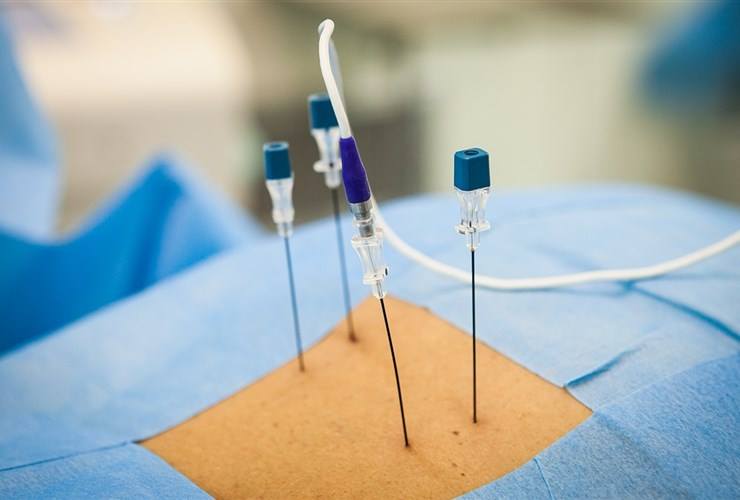
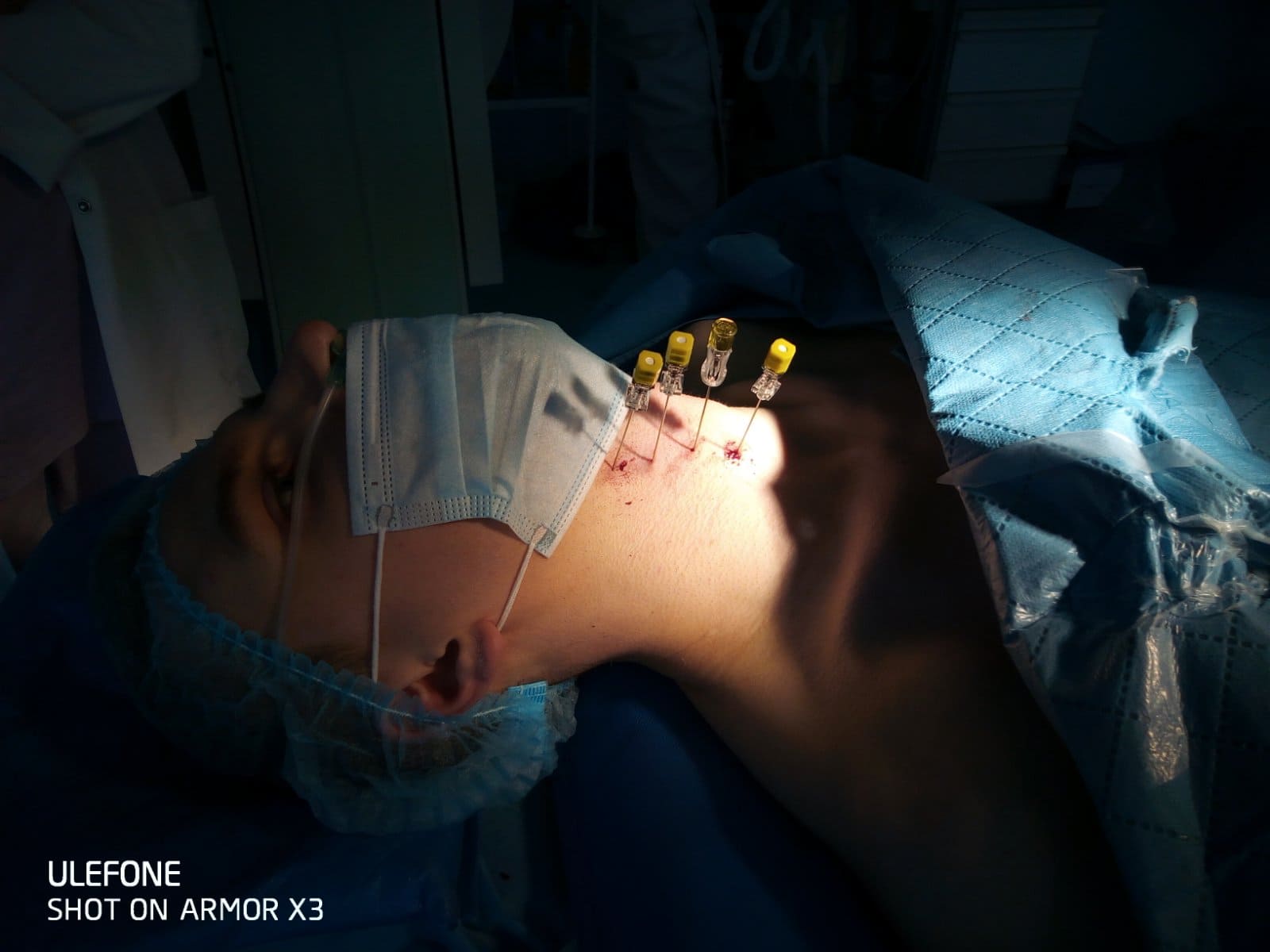
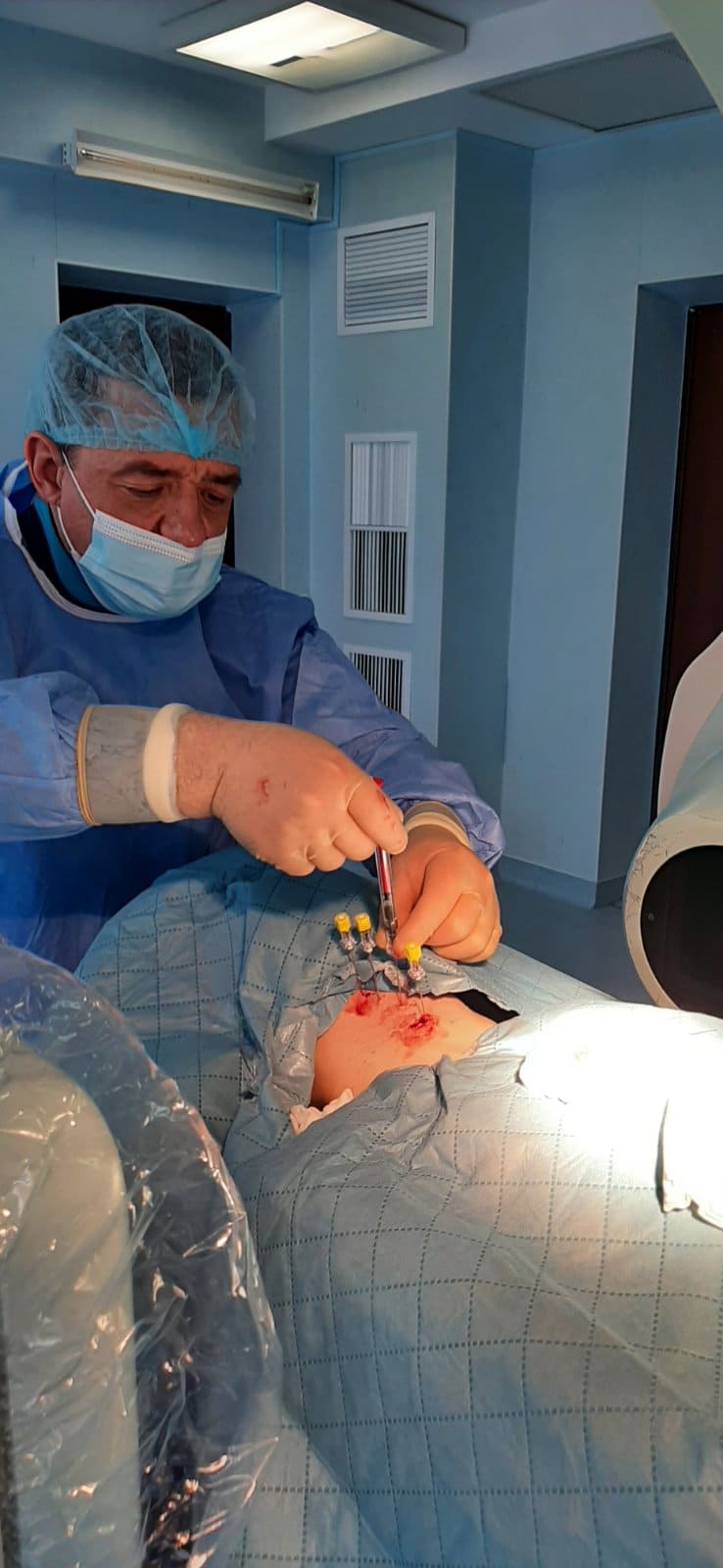
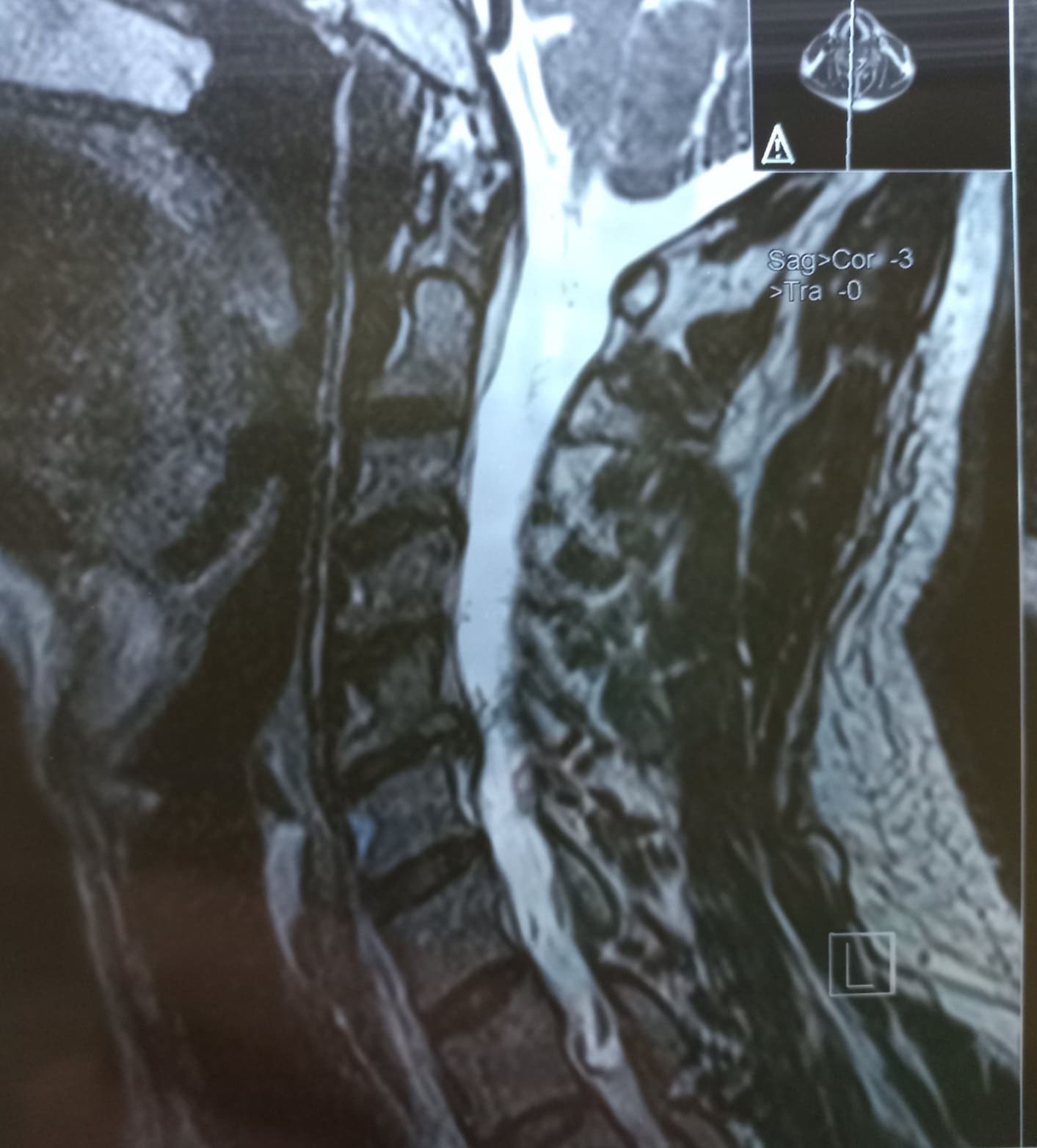
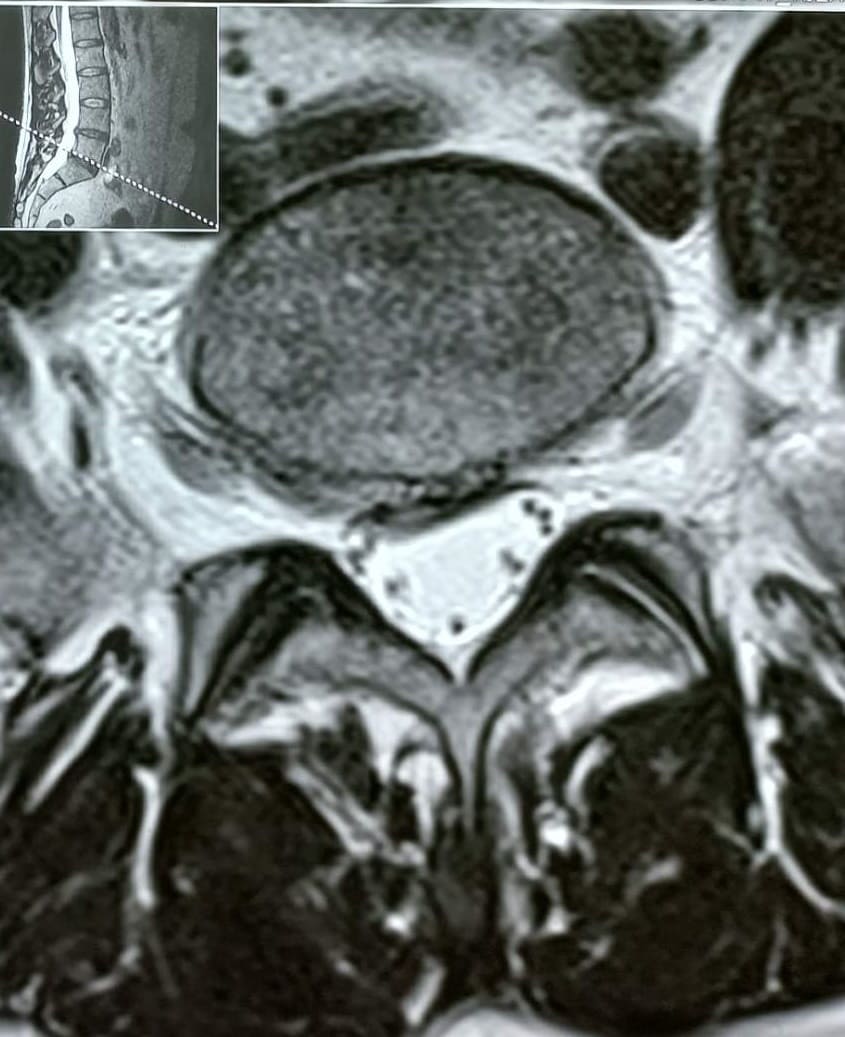
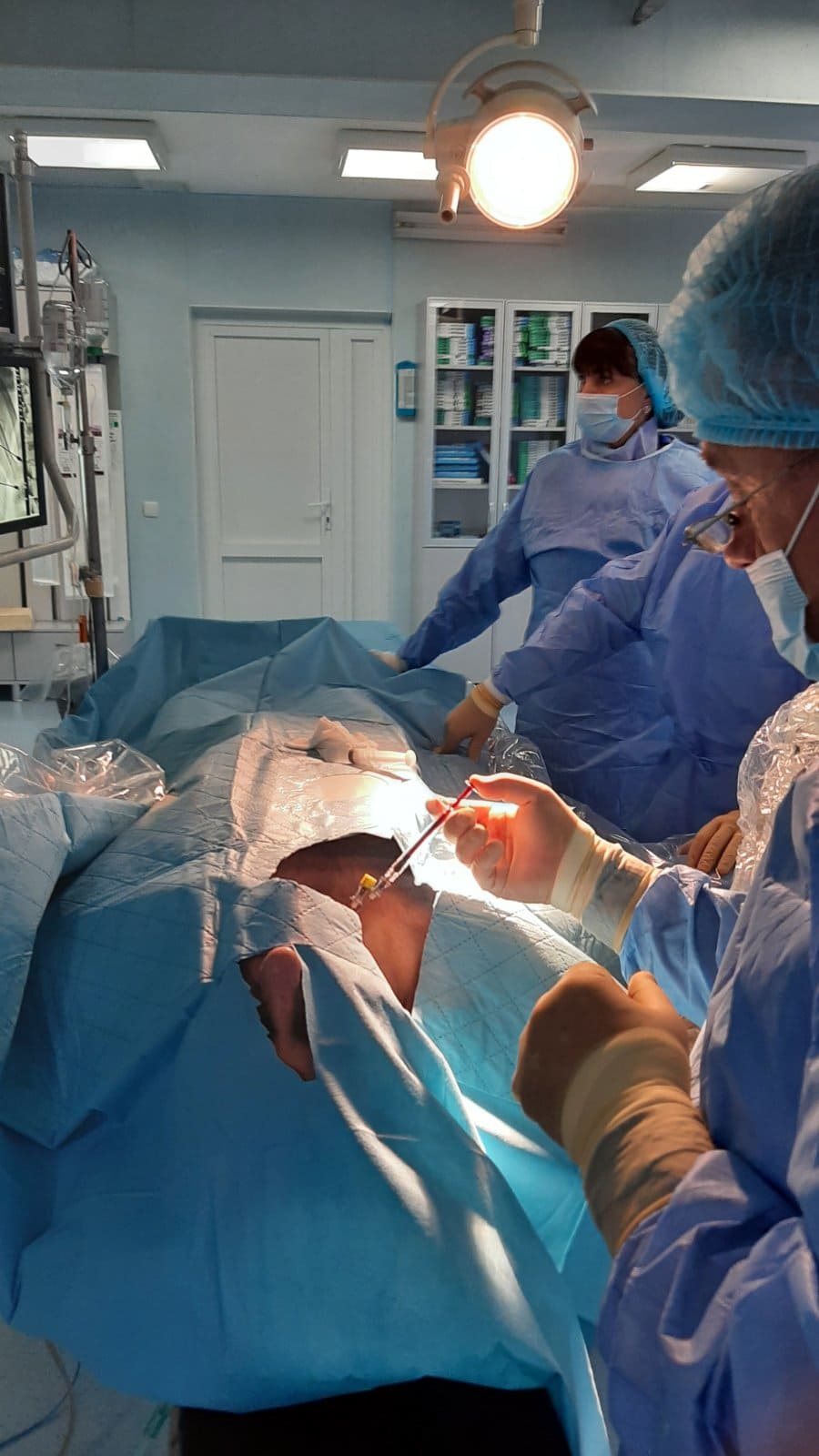
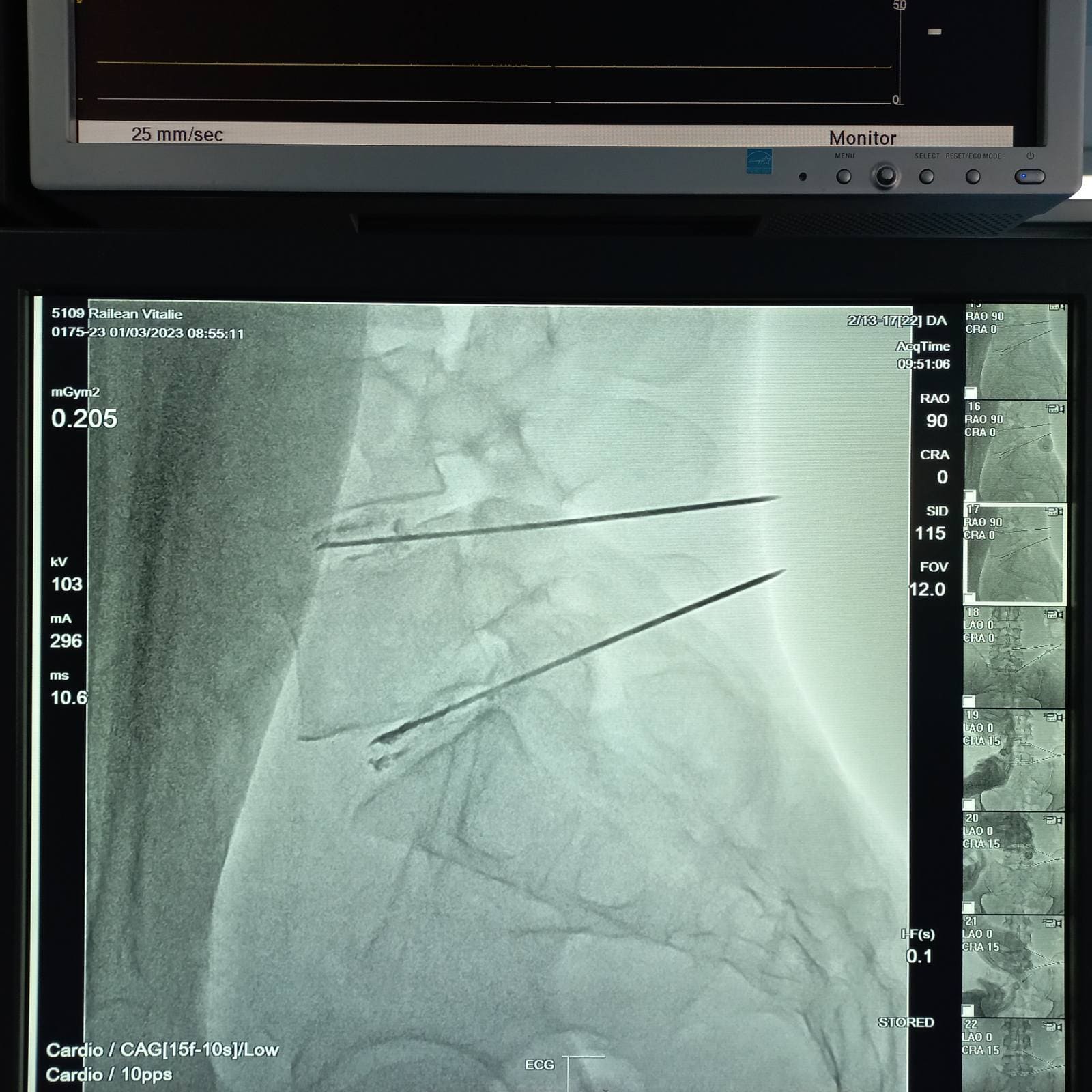
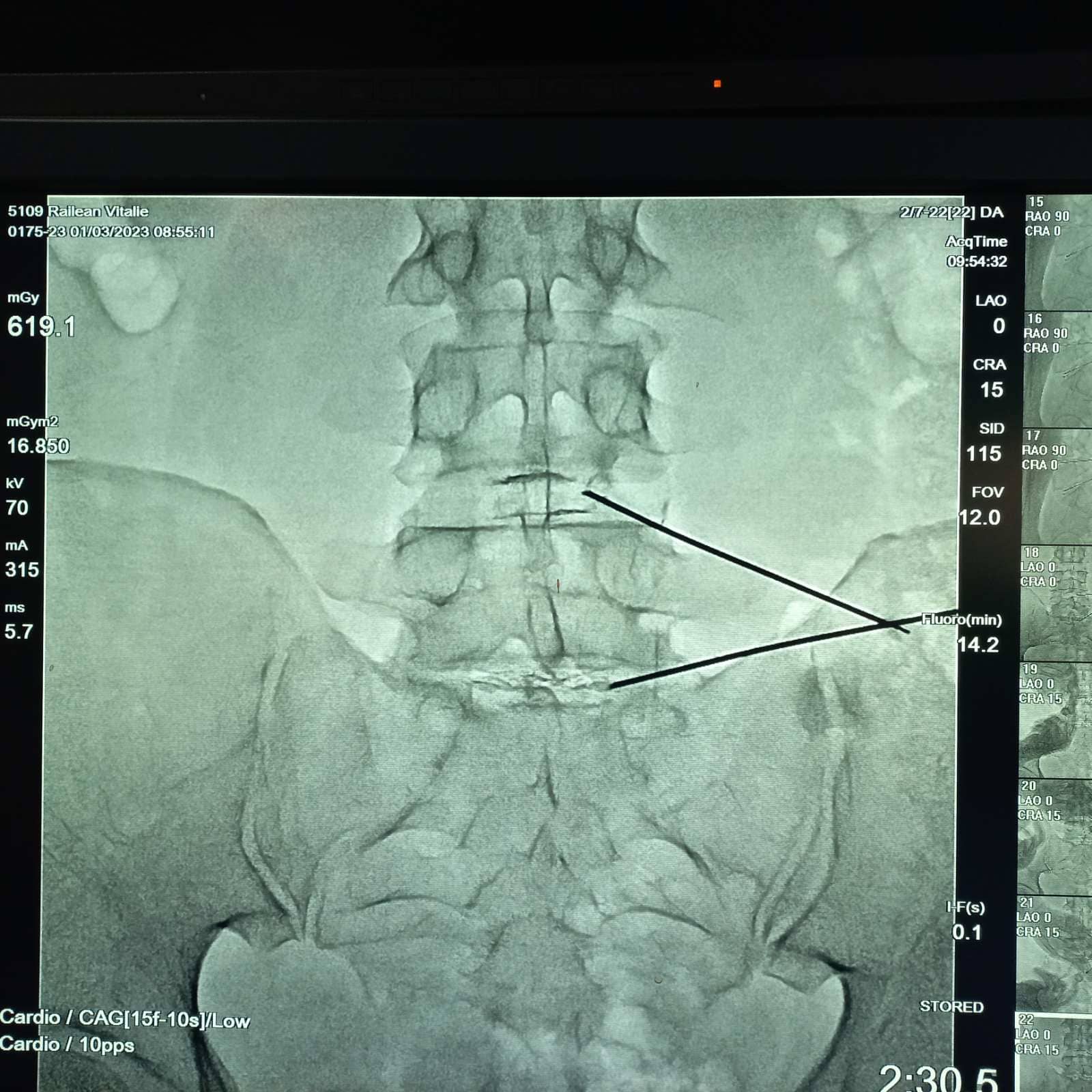
DiscoGel® is an implantable medical product composed of gelified (using cellulose) ethanol and tungsten nanoparticles (a contrast component that allows visualization of the gel’s distribution within the disc under radiological control). One of the most important properties of DiscoGel is that it is slowly injected in just a few minutes through a very thin needle into the center of the disc in the form of an injectable liquid and quickly solidifies, turning into a flexible prosthesis!
DiscoGel is a new innovative product specially developed for treating spinal hernias with a single puncture. The results are visible immediately. The patient is relieved from pain and discomfort right after the procedure. This is a minimally invasive method with minimal risk of infection; it preserves the integrity of the spinal cord and muscles, thereby preventing the formation of adhesions (the development of abnormal fibrous tissue), which can lead to serious complications.
Indications
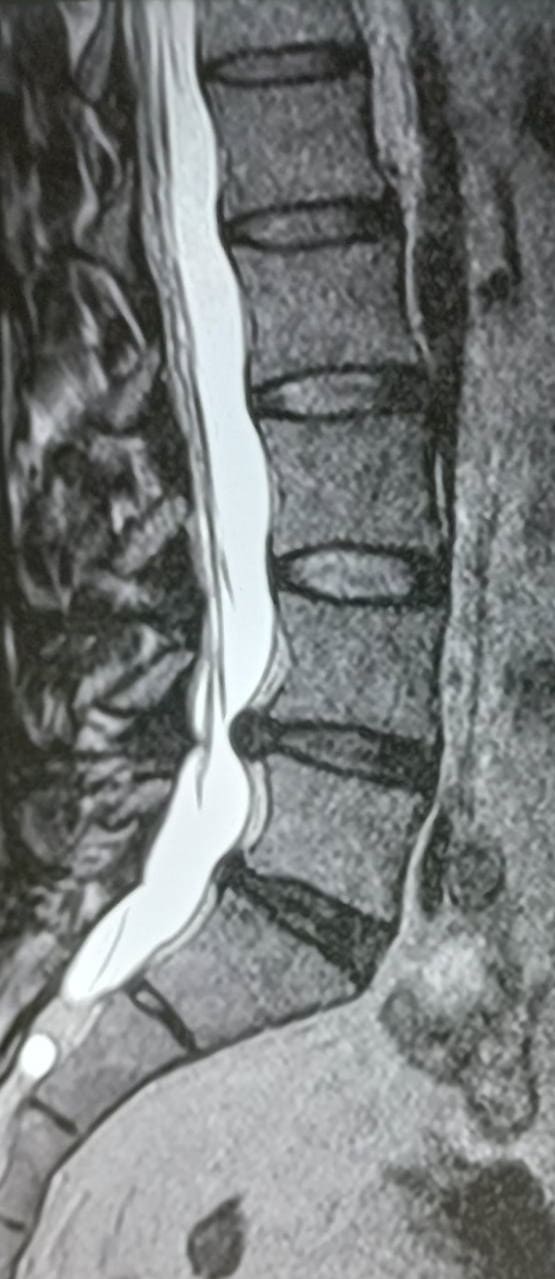
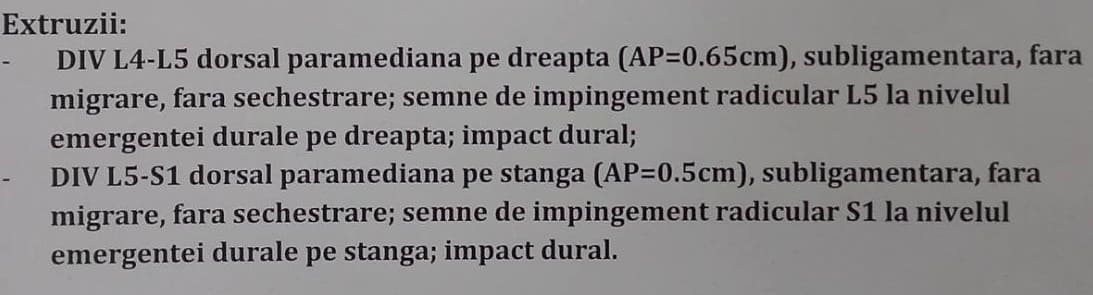
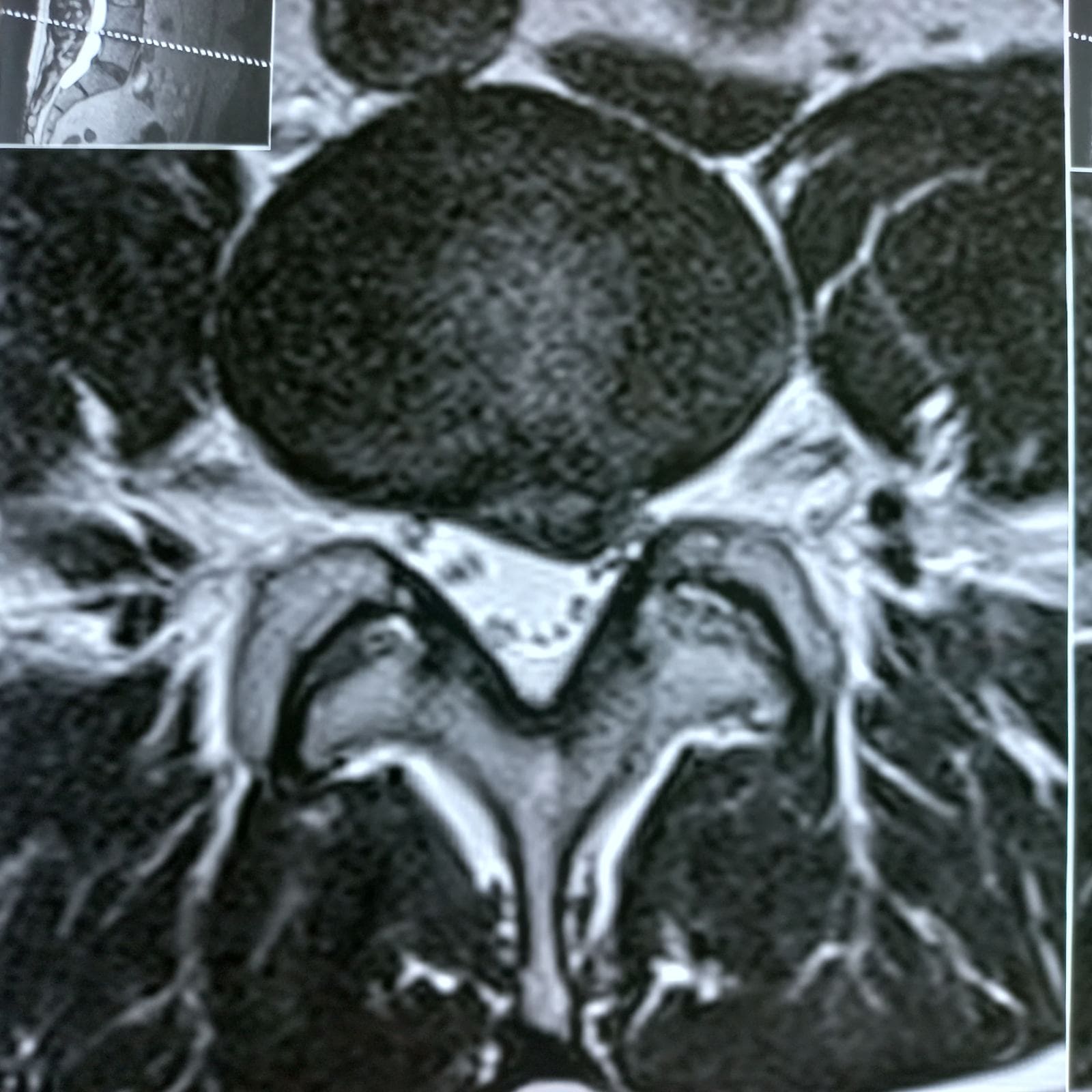
DiscoGel® is indicated for the treatment of any type of intervertebral disc hernia and represents a true alternative to surgical treatment. DiscoGel® can be used at any spinal level: cervical, thoracic, and lumbar.
Mechanism of Action
The mechanism of action of DiscoGel® is based on a physicochemical process: necrosis of the nucleus pulposus and its dehydration.
The effect of DiscoGel® is due to the hygroscopic effect of ethanol, which osmotically acts on the water contained in the nucleus pulposus. By absorbing water from the nucleus pulposus, ethanol causes immediate decompression and pain relief. After injection, DiscoGel® remains in the disc, thereby preventing destabilization of any type.
PIntradiscal microtherapy
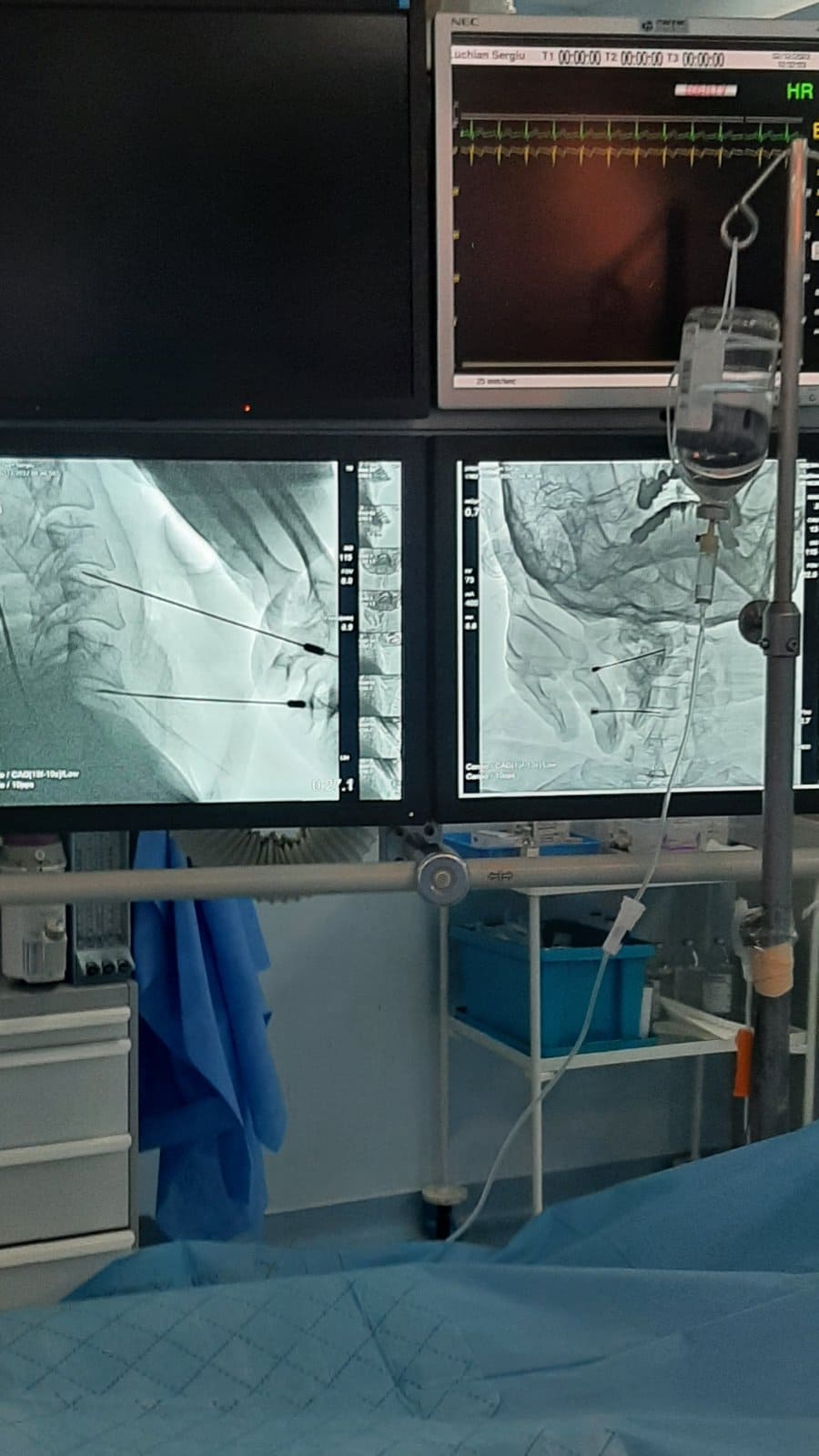
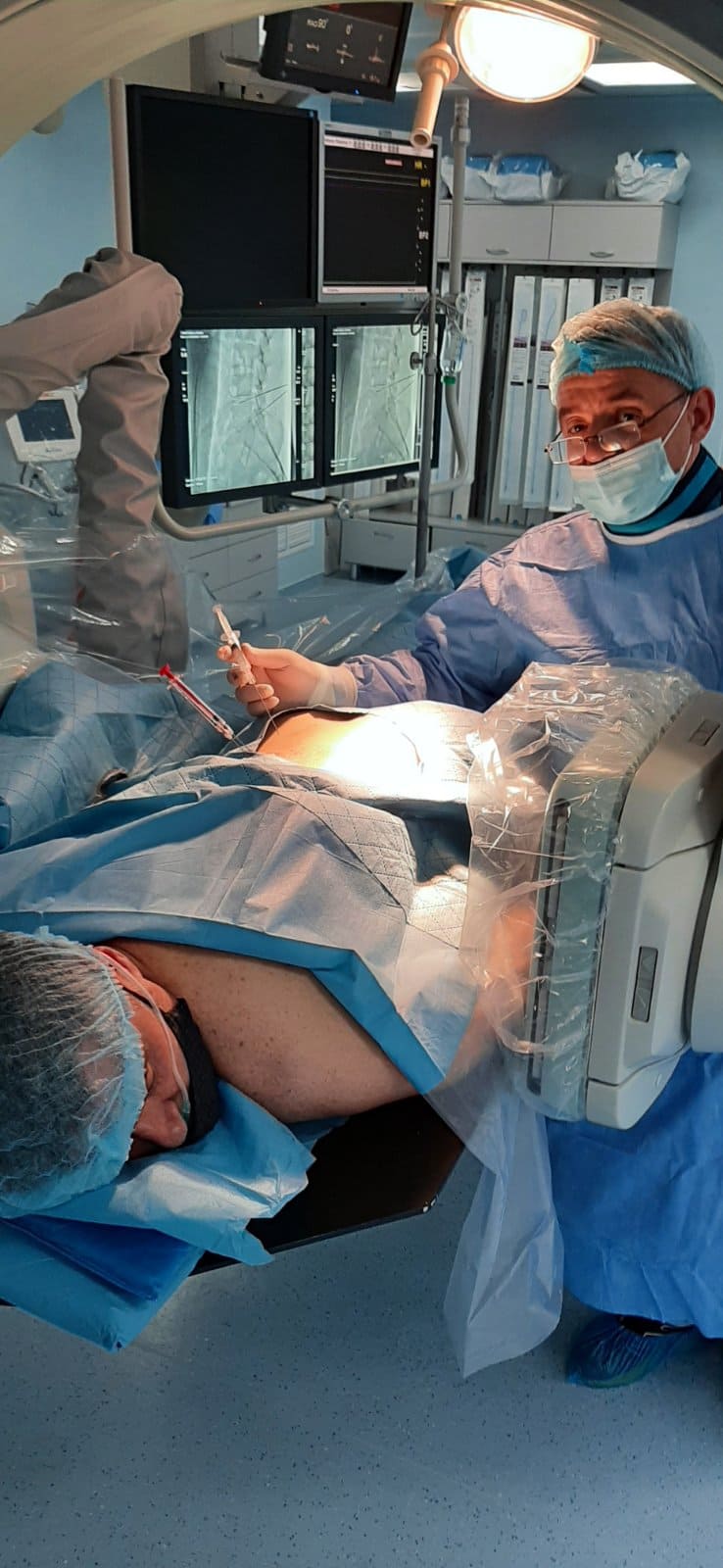
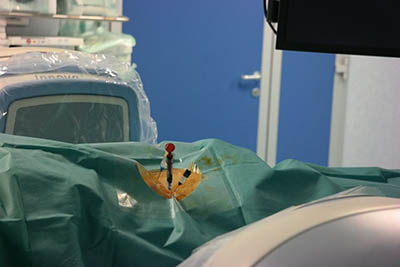
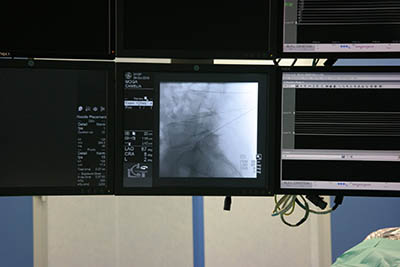
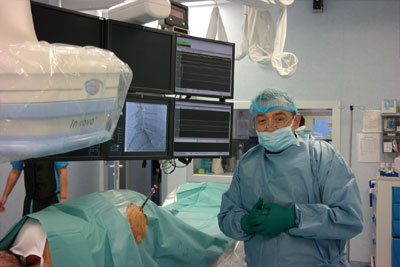
The procedure should be performed in a radiology room or operating room equipped with radiological equipment under surgical aseptic conditions. Access to the disc is performed after local anesthesia.
For lumbar and thoracic discs, a posterolateral approach is used; for cervical discs, an anterolateral approach. DiscoGel® must be injected very slowly. After the required amount of the drug is administered, the needle should remain in place for several minutes before removal.
The procedure concludes with the administration of anti-inflammatory/steroid drugs into the intervertebral space at the level of the treated hernia, promoting faster recovery.
This procedure must be performed by a professional experienced in percutaneous disc puncture!
Is it painful?
No, the procedure is performed under local anesthesia, so the patient remains fully conscious throughout and can report any discomfort. Mild sedation is also administered.
How long does it take?
The procedure usually lasts about 1 hour.
Risks
Complications are rare, and the risk level is low thanks to proper preparation and continuous patient monitoring. Possible complications include allergic reactions to radiocontrast agents, including kidney failure, and reactions to anesthetics. Complications are rare, and the risk level remains low due to proper preparation and ongoing observation.
Postoperative period
Often, inpatient treatment is not required; the patient can be discharged the next day. Symptom improvement is observed within a few weeks after the procedure, unlike the 3 months typically needed after surgical intervention.
Advantages of using DiscoGel®:
- Outpatient treatment
- Minimally invasive (minimizes risk of infection)
- Performed under local anesthesia
- Safety:
– Due to its binding property, the gel follows the contour of the hernia without leakage
– Tungsten marker: visible for many months
– No known complications (based on over 5 years of observation)
– No allergic reactions
– No inflammatory reactions
– No pain after treatment
– No intervertebral compressions caused by pressure
– Preservation of disc height - Very quick results:
– From 1 to 3 weeks
– Return to normal activities within 3 weeks (compared to 3 months of rest after traditional surgery) - No registered recurrences (based on over 5 years of observation)
Dosage form and dosing
The kit includes:
– 1 vial of 2 ml sterile DiscoGel®
– 2 sterile 1.0 ml syringes
– 1 sterile 19G needle for extracting DiscoGel®
– 2 sterile 18G needles for injection
Dosage:
The amount of DiscoGel® injected into each disc varies from 0.3 to 1.0 ml, depending on the size of the disc and hernia (the kit includes a 1 ml syringe).
Typically required:
– 0.2 ml DiscoGel® for cervical discs
– 0.3 to 0.5 ml DiscoGel® for thoracic discs
– 0.6 to 0.8 ml DiscoGel® for lumbar discs
WHAT DID CLINICAL TRIALS OF DISCOGEL SHOW?

The method of treating intervertebral disc herniation using intradiscal therapy with the drug DiscoGel was developed by French scientists in 2001. According to the manufacturer, over 14 years of observation, not a single recurrence of intervertebral disc herniation has been recorded in patients treated with this drug.
The first independent documented series of studies were conducted in 2007 in Germany at the Medical Center of Prof. Stelling. According to the research results, no significant complications were observed during the entire follow-up period. After treatment with DiscoGel, surgery was nevertheless required in only 0.7% of patients, which corresponds to 2 out of 376 individuals.
The Clinic of Vertebrology, Orthopedics, and Traumatology has been offering this method in Moldova since 2013. In patients with uncomplicated, fresh intervertebral hernias, good and excellent results have been observed in more than 95% of cases, while in chronic and complex hernias—90%. No other known treatment for intervertebral disc hernias today can boast such high effectiveness. Over the years of using this method in Moldova, according to our own observations, no cases of recurrence have been registered.
The initial relief of specific nerve endings is noticeable within a few hours. Complete pain relief occurs within 3 months, although significant improvement happens within the first 3 weeks after the injection of the drug.

