Facebook-f Instagram Tiktok Youtube Viber Telegram Phone
logo
logo
  • About us
    • The history of the clinic
    • Clinic staff
    • Areas of activity
    • Orthopedics and Traumatology
      • Orthopedics and Traumatology
      • What is trauma? Types of trauma
      • First Aid for Spinal Injury
      • Birth Injury
      • Healthy little legs — what you need to know about hip dysplasia
      • Consultations with an orthopedic vertebrologist
      • Valgus Deformity of the Foot
    • Spitalizarea în clinică
    • Bolile reumatice
      • Boala lui Reiter
      • Boala Behçet (Spondilita anchilozantă)
      • Coxartroza
      • Rahitismul la copii
      • Osteoporoza oaselor
    • Parteneri
  • Coloana vertebrală
    • Scoliosis
      • Classification, Forms, and Types of Scoliosis
      • Causes of Scoliosis in Children
      • Diagnosis of Scoliosis
    • Cervical spine
      • Structure of the cervical vertebrae
      • What disorders can occur in case of subluxations of the cervical vertebrae in children?
      • How to differentiate a cervical spine subluxation from other pathologies?
      • To avoid headaches, you need to treat your neck!
    • Postura afectată
      • Posture Assessment Test
      • Why does the back hurt?
    • Spondylolisthesis
    • Osteocondroza coloanei vertebrale
      • Cervical osteochondrosis
      • Osteochondrosis of the Thoracic Spine
      • Treatment of Osteochondrosis
    • Kyphosis
    • Percutaneous Vertebroplasty
  • Scoliosis treatment
    • Orthosis Treatment for Idiopathic Scoliosis
    • Prevention of Scoliosis
    • Congenital Scoliosis
    • Juvenile scoliosis
    • Treatment of Moderate and Severe Scoliosis
    • Treatment of adolescent idiopathic (dysplastic) scoliosis of very severe degree (over 85°–90°)
    • Lumbar scoliosis
  • Dynamic correction
    • Dynamic correction of scoliosis (VBT/ASC)
    • Clinical Cases
  • Thoracic box
    • Keel-shaped deformity of the chest
    • Funnel-shaped chest deformity (Pectus excavatum). Nuss method.
    • Toracoplastie-Curraino -Silverman – Pectus arcuatum (Ravitch procedure for pectus arcuatum)
  • Disc herniation treatment
    • Hernie intervertebrală
      • Types of intervertebral hernias
      • Causes and Theories of Intervertebral Hernia Formation
      • Hernia in the cervical spine (neck region)
      • A disc hernia can mimic other diseases
    • Tratament nechirurgical
      • Cold plasma nucleoplasty
      • About Cold Plasma Nucleoplasty
      • DiscoGel
      • DiscoGel – Treatment Results
      • Percutaneous removal of a disc herniation using a discectome
      • Doctor’s Recommendations for the Nucleoplasty Procedure with the Drug Discogel
      • A Guide to Nucleoplasty for Patients with a Herniated Disc
    • Tratament minim invaziv
      • Minimal invasive treatment
      • Minimally invasive methods
      • ENDOSCOPY (UBE) – A REVOLUTION IN THE TREATMENT OF HERNIAS AND STENOSIS
      • Fixation of Vertebrae with Transpedicular Screws and Cage
    • PRP + Blocaje
      • PRP
      • Blocade paravertebrale
    • Sfaturi utile pentru osteocondroză și hernie de disc
      • Nutrition for Intervertebral Disc Hernia
      • Hydration Regimen for Spinal Hernia
      • Exacerbation of a Disc Herniation Caused by Smoking and Alcohol
      • Suitable and Unsuitable Types of Sports for Intervertebral Hernia
      • Prevention of Diseases
      • 9 Twists That Will Save You From Acute Lower Back Pain
      • Deterioration of Vision in Cervical Osteochondrosis and Disc Herniation
      • What to Do During an Exacerbation of an Intervertebral Hernia?
      • Smartphones and Tablets Ruin Posture and Trigger Disc Hernias
    • Radiculopathy
    • Surgery for Intervertebral Disc Hernia
Login
  • About us
    • The history of the clinic
    • Clinic staff
    • Areas of activity
    • Orthopedics and Traumatology
      • Orthopedics and Traumatology
      • What is trauma? Types of trauma
      • First Aid for Spinal Injury
      • Birth Injury
      • Healthy little legs — what you need to know about hip dysplasia
      • Consultations with an orthopedic vertebrologist
      • Valgus Deformity of the Foot
    • Spitalizarea în clinică
    • Bolile reumatice
      • Boala lui Reiter
      • Boala Behçet (Spondilita anchilozantă)
      • Coxartroza
      • Rahitismul la copii
      • Osteoporoza oaselor
    • Parteneri
  • Coloana vertebrală
    • Scoliosis
      • Classification, Forms, and Types of Scoliosis
      • Causes of Scoliosis in Children
      • Diagnosis of Scoliosis
    • Cervical spine
      • Structure of the cervical vertebrae
      • What disorders can occur in case of subluxations of the cervical vertebrae in children?
      • How to differentiate a cervical spine subluxation from other pathologies?
      • To avoid headaches, you need to treat your neck!
    • Postura afectată
      • Posture Assessment Test
      • Why does the back hurt?
    • Spondylolisthesis
    • Osteocondroza coloanei vertebrale
      • Cervical osteochondrosis
      • Osteochondrosis of the Thoracic Spine
      • Treatment of Osteochondrosis
    • Kyphosis
    • Percutaneous Vertebroplasty
  • Scoliosis treatment
    • Orthosis Treatment for Idiopathic Scoliosis
    • Prevention of Scoliosis
    • Congenital Scoliosis
    • Juvenile scoliosis
    • Treatment of Moderate and Severe Scoliosis
    • Treatment of adolescent idiopathic (dysplastic) scoliosis of very severe degree (over 85°–90°)
    • Lumbar scoliosis
  • Dynamic correction
    • Dynamic correction of scoliosis (VBT/ASC)
    • Clinical Cases
  • Thoracic box
    • Keel-shaped deformity of the chest
    • Funnel-shaped chest deformity (Pectus excavatum). Nuss method.
    • Toracoplastie-Curraino -Silverman – Pectus arcuatum (Ravitch procedure for pectus arcuatum)
  • Disc herniation treatment
    • Hernie intervertebrală
      • Types of intervertebral hernias
      • Causes and Theories of Intervertebral Hernia Formation
      • Hernia in the cervical spine (neck region)
      • A disc hernia can mimic other diseases
    • Tratament nechirurgical
      • Cold plasma nucleoplasty
      • About Cold Plasma Nucleoplasty
      • DiscoGel
      • DiscoGel – Treatment Results
      • Percutaneous removal of a disc herniation using a discectome
      • Doctor’s Recommendations for the Nucleoplasty Procedure with the Drug Discogel
      • A Guide to Nucleoplasty for Patients with a Herniated Disc
    • Tratament minim invaziv
      • Minimal invasive treatment
      • Minimally invasive methods
      • ENDOSCOPY (UBE) – A REVOLUTION IN THE TREATMENT OF HERNIAS AND STENOSIS
      • Fixation of Vertebrae with Transpedicular Screws and Cage
    • PRP + Blocaje
      • PRP
      • Blocade paravertebrale
    • Sfaturi utile pentru osteocondroză și hernie de disc
      • Nutrition for Intervertebral Disc Hernia
      • Hydration Regimen for Spinal Hernia
      • Exacerbation of a Disc Herniation Caused by Smoking and Alcohol
      • Suitable and Unsuitable Types of Sports for Intervertebral Hernia
      • Prevention of Diseases
      • 9 Twists That Will Save You From Acute Lower Back Pain
      • Deterioration of Vision in Cervical Osteochondrosis and Disc Herniation
      • What to Do During an Exacerbation of an Intervertebral Hernia?
      • Smartphones and Tablets Ruin Posture and Trigger Disc Hernias
    • Radiculopathy
    • Surgery for Intervertebral Disc Hernia
Home Case Studies Clinical Cases

Clinical Cases

(from the personal archive of Prof. Kolesov S.V.)

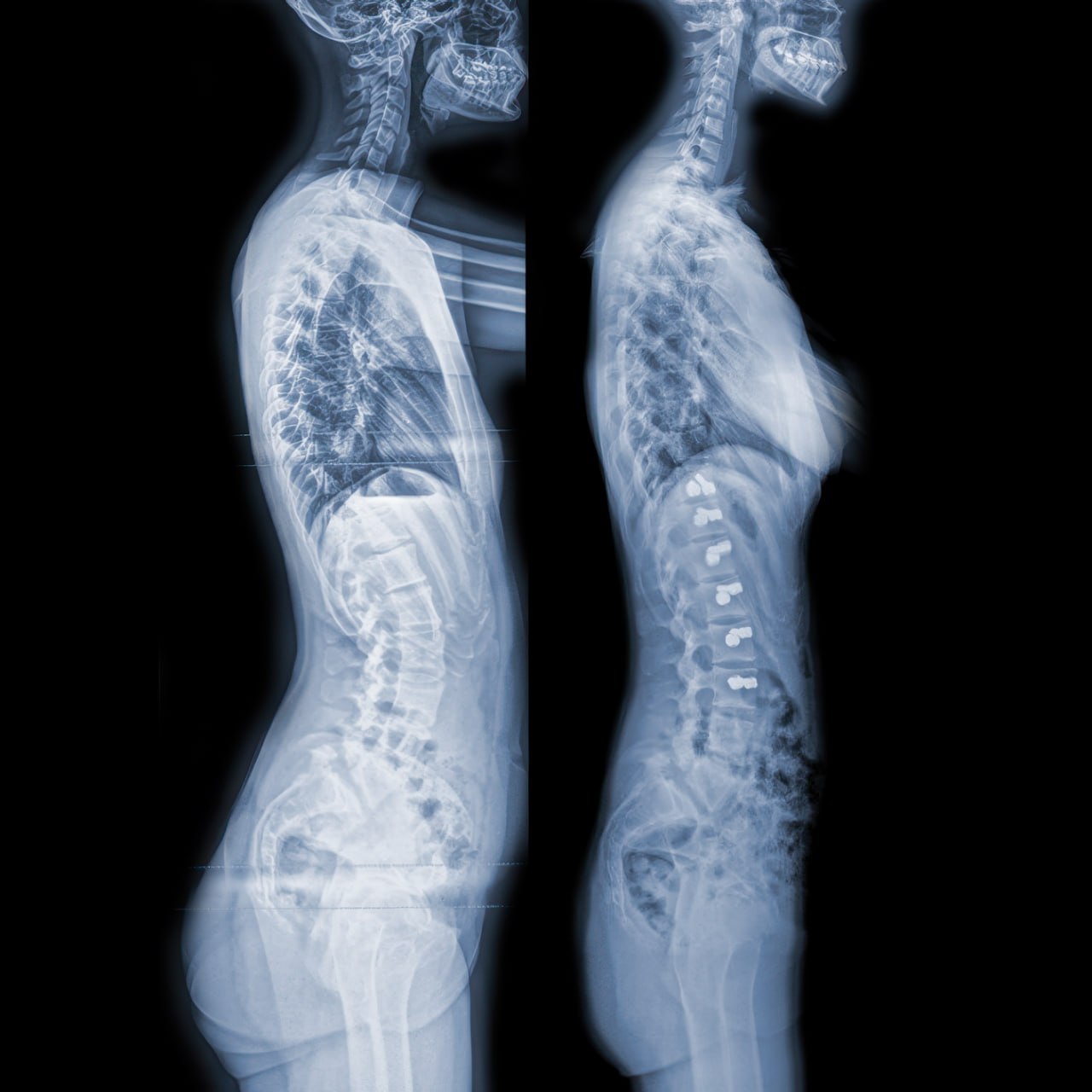
Patient, 12 years old

A dynamic scoliosis correction surgery was performed using the VBT (Vertebral Body Tethering) method.
As the girl grows, the system will provide an even better correction result while maintaining full spinal mobility.

6 months have passed since the surgery.
The young patient delights us with a video demonstrating her spinal flexibility.
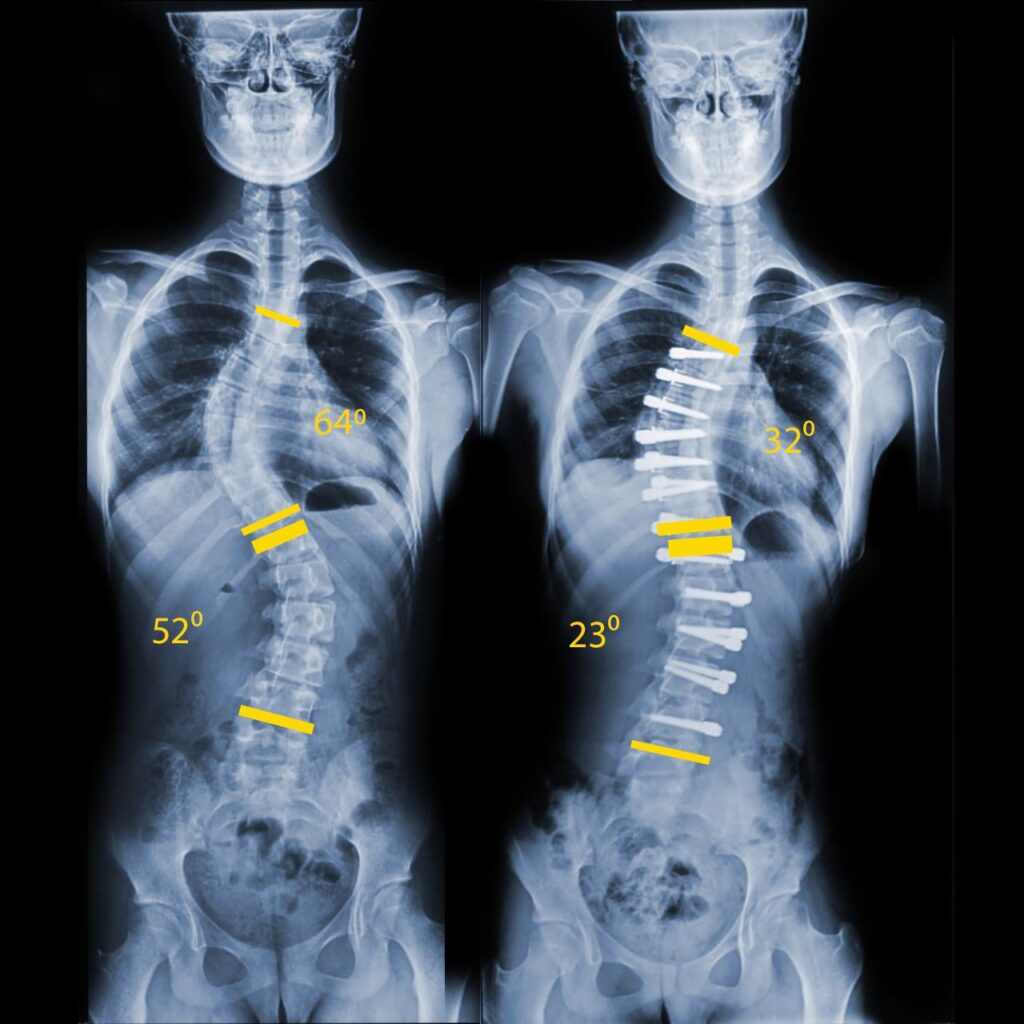

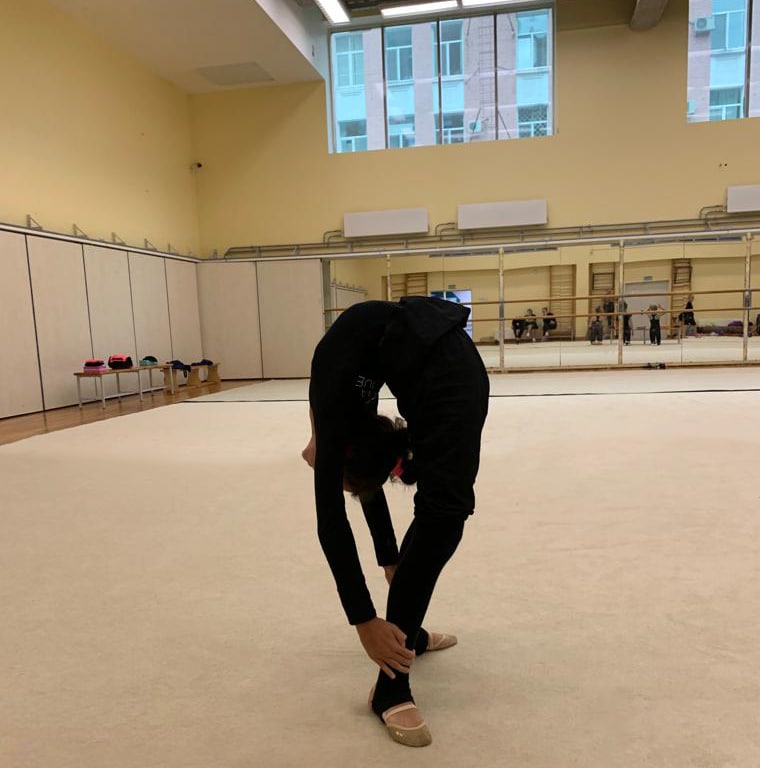
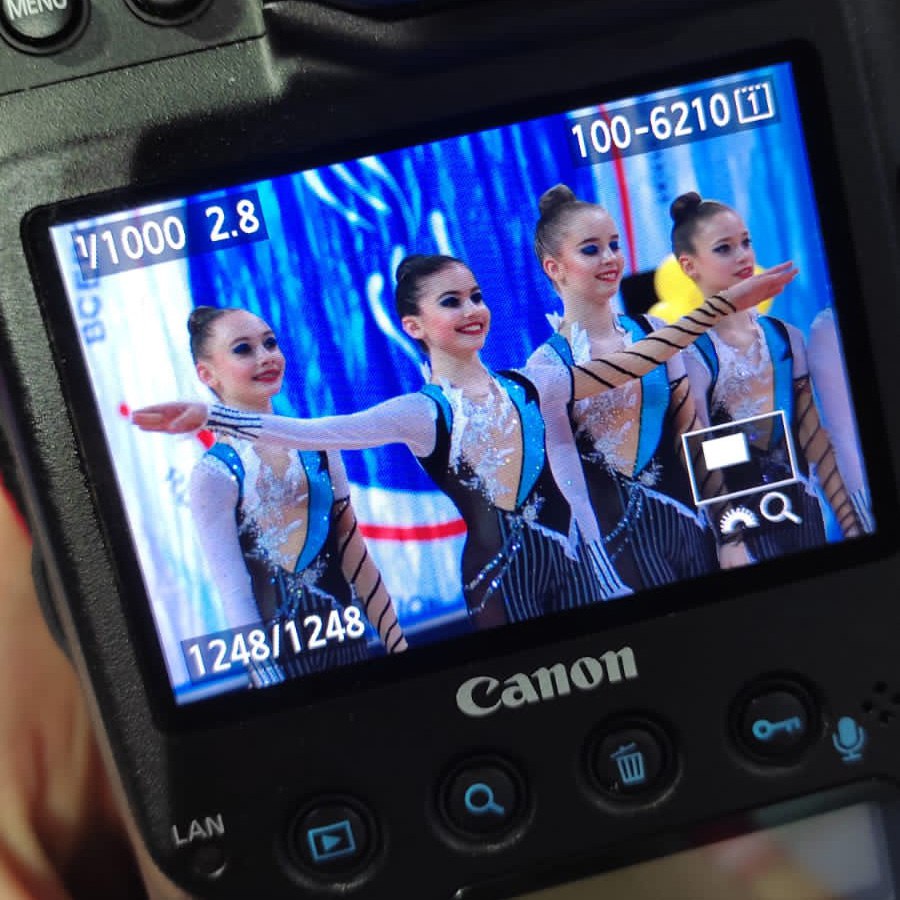
Our patient, 13 years old. Professional gymnast.

1.5 years ago, a dynamic scoliosis correction was performed using the VBT method. The system’s result is not final, as the girl is still growing – the result will be greater and even better.
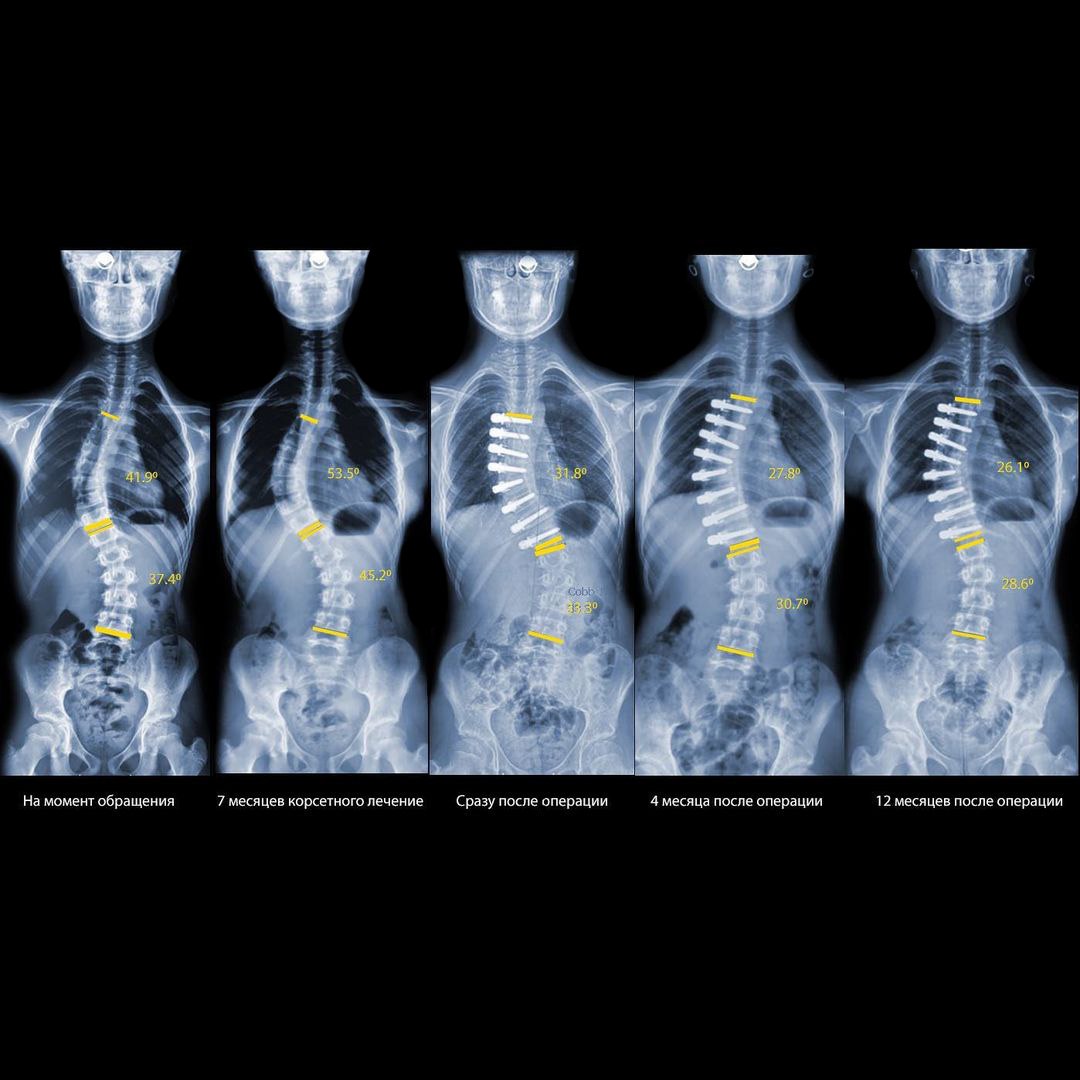
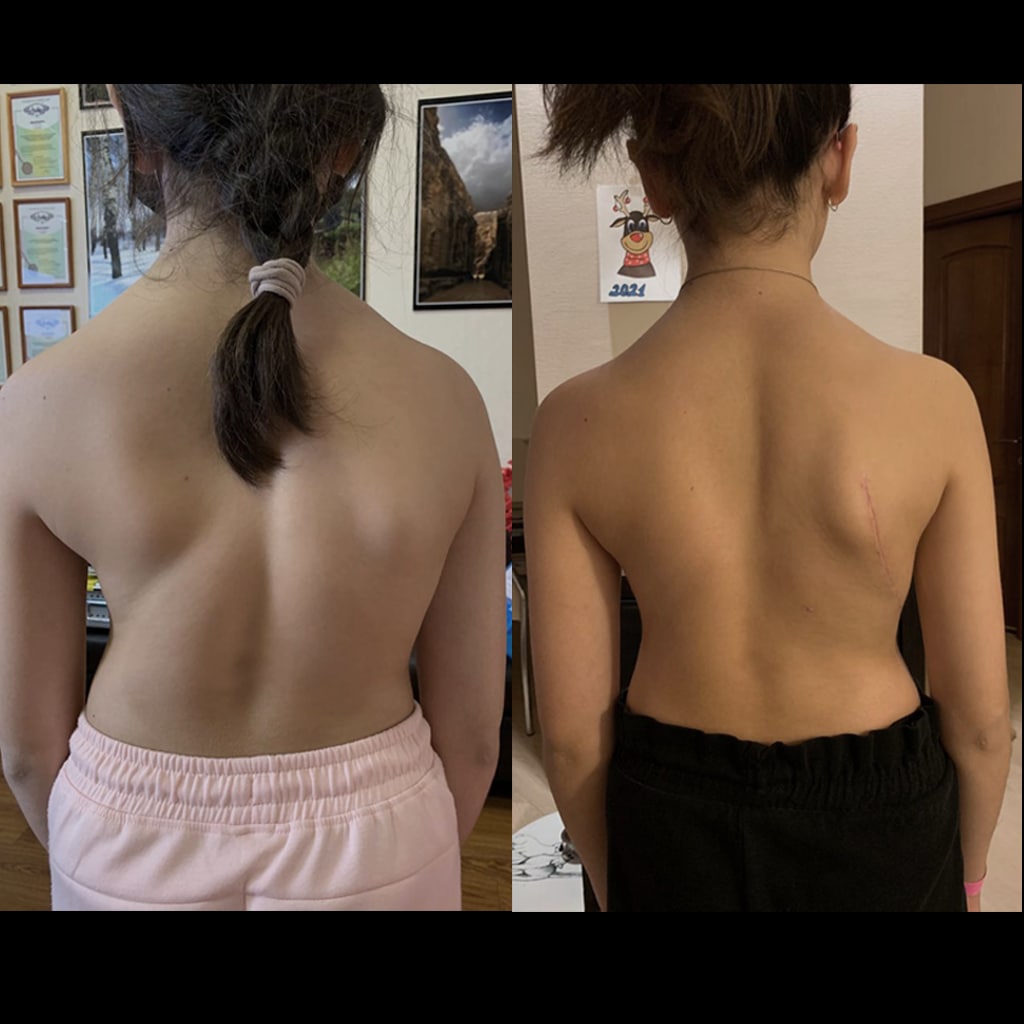
Patient, 16 years old

A year ago, a dynamic scoliosis correction was performed in two stages, at the thoracic and lumbar levels, using the VBT (Vertebral Body Tethering) method.
As the patient continues to grow, the correction will improve.

Mobility of the spine, one year after the last intervention, is demonstrated in the presented video.
Both the patient and her mother shared their impressions in a short interview.

The young woman answered the main question:
“If you were offered the surgery again, knowing the result, would you accept?”
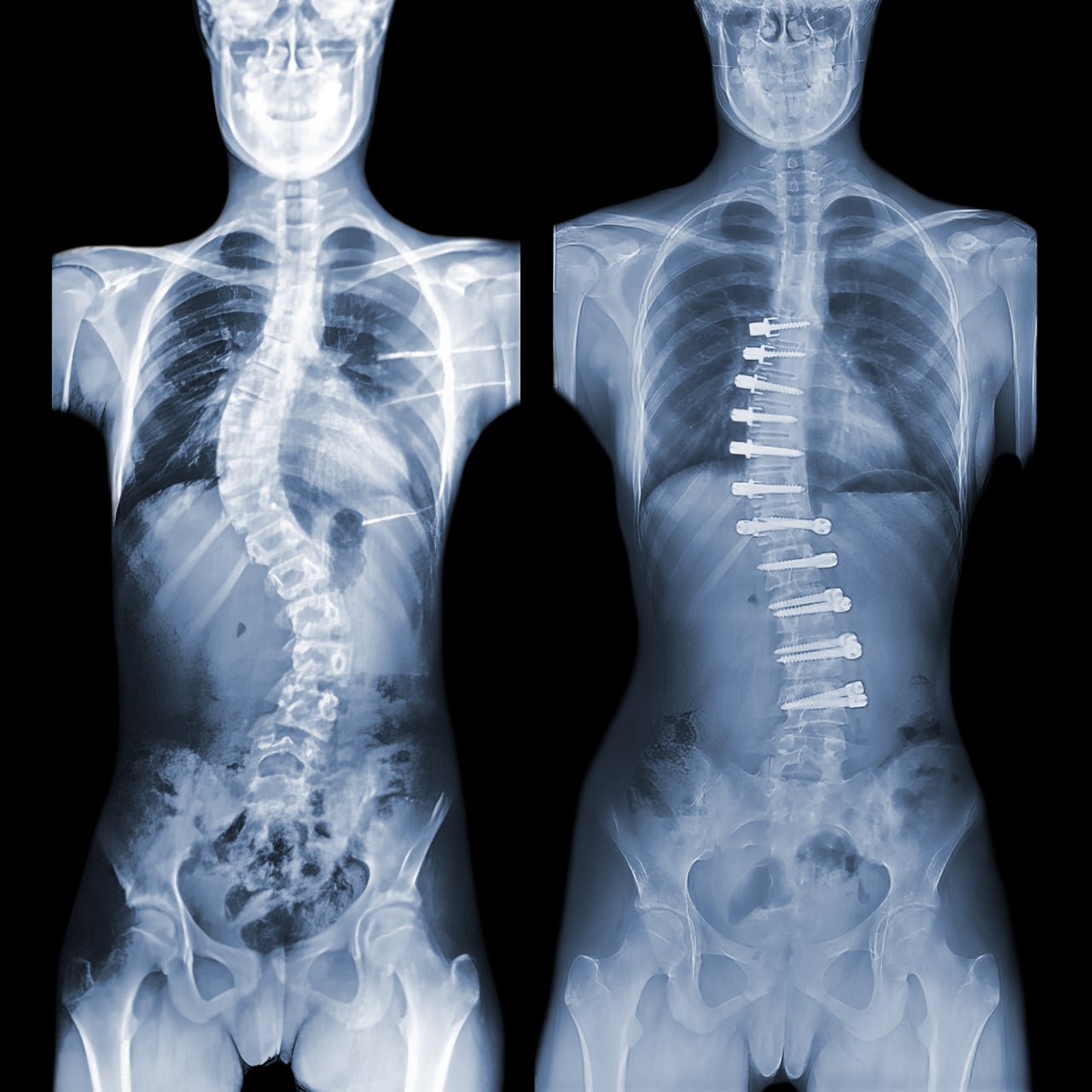
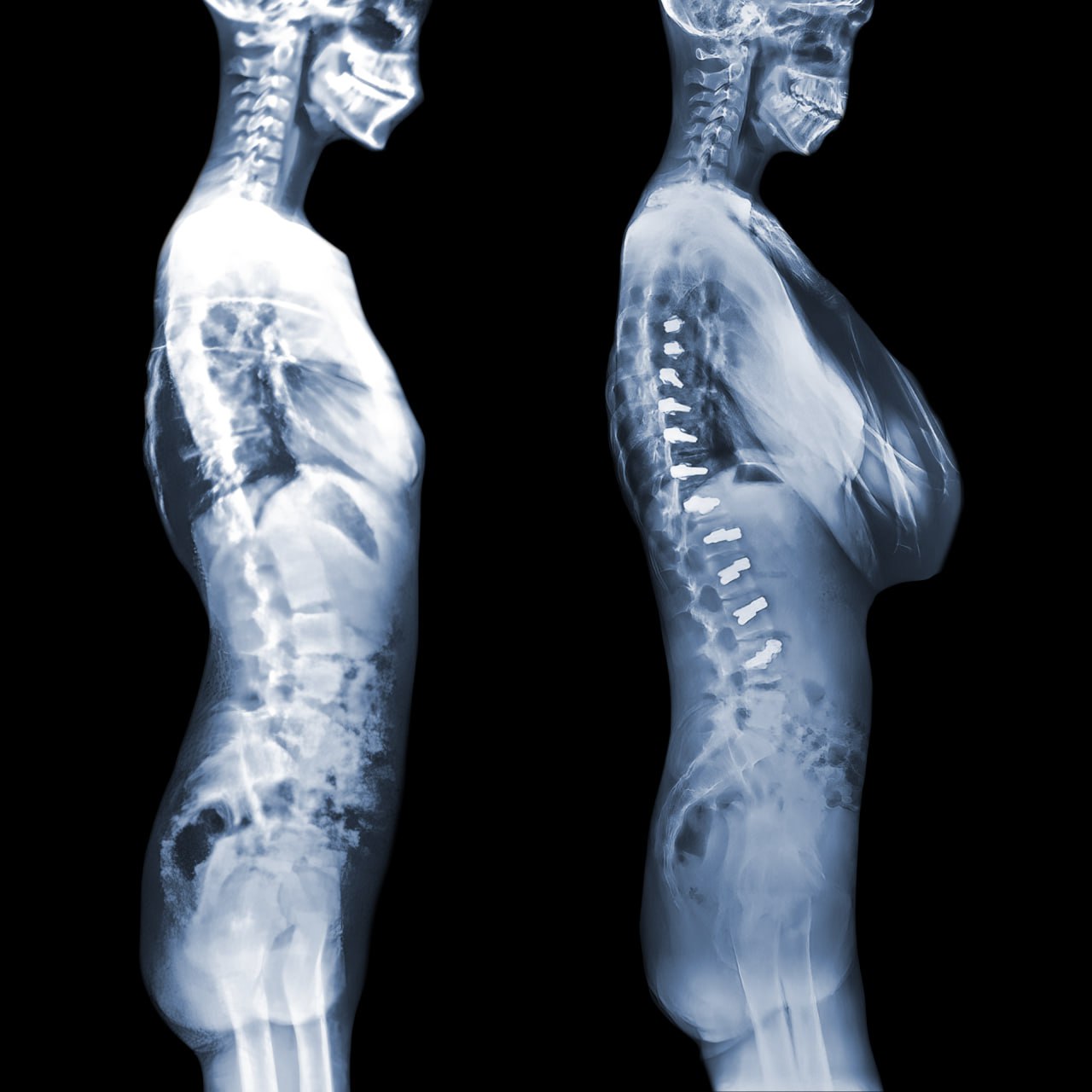
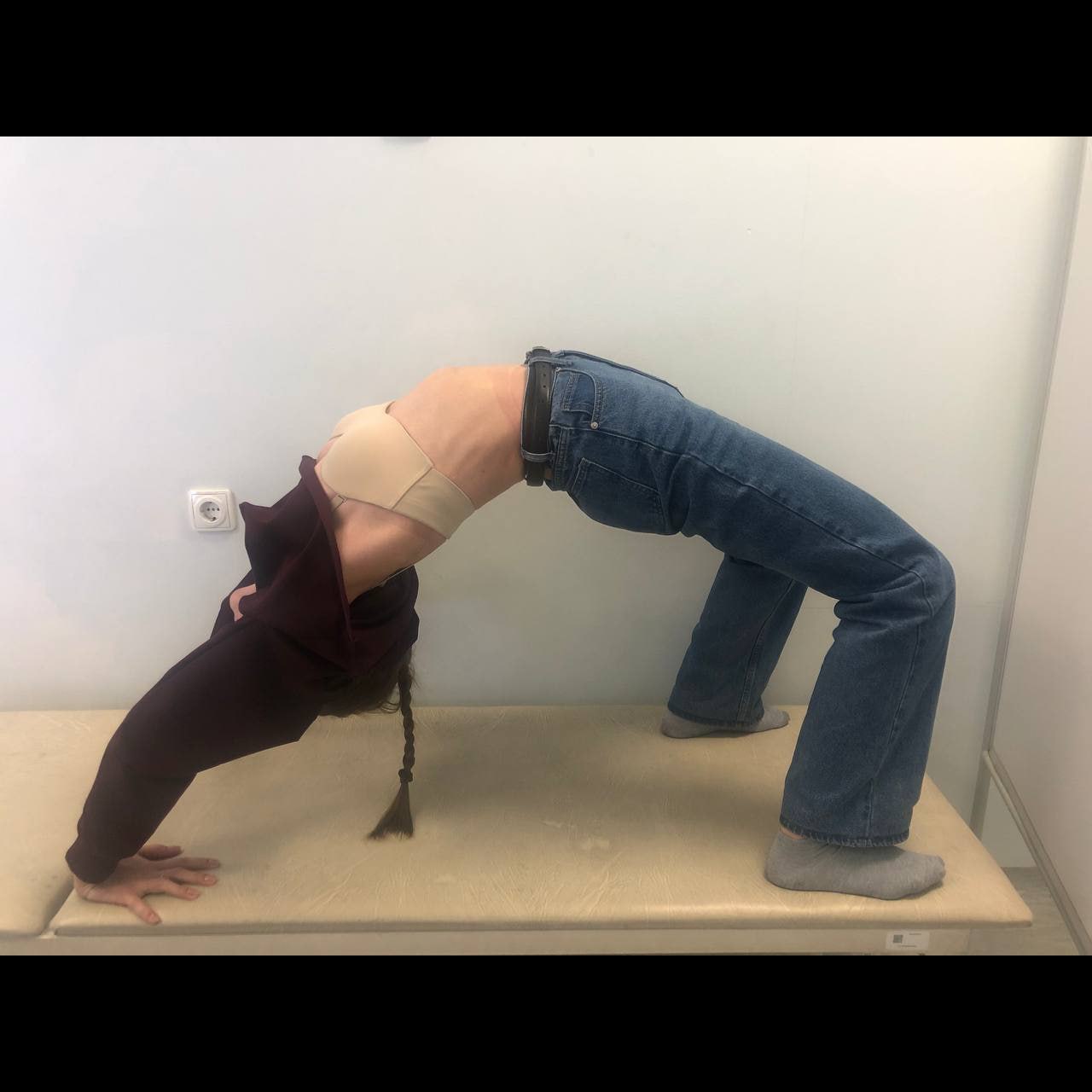
8 months after dynamic correction: Backflip?

No problem 😊
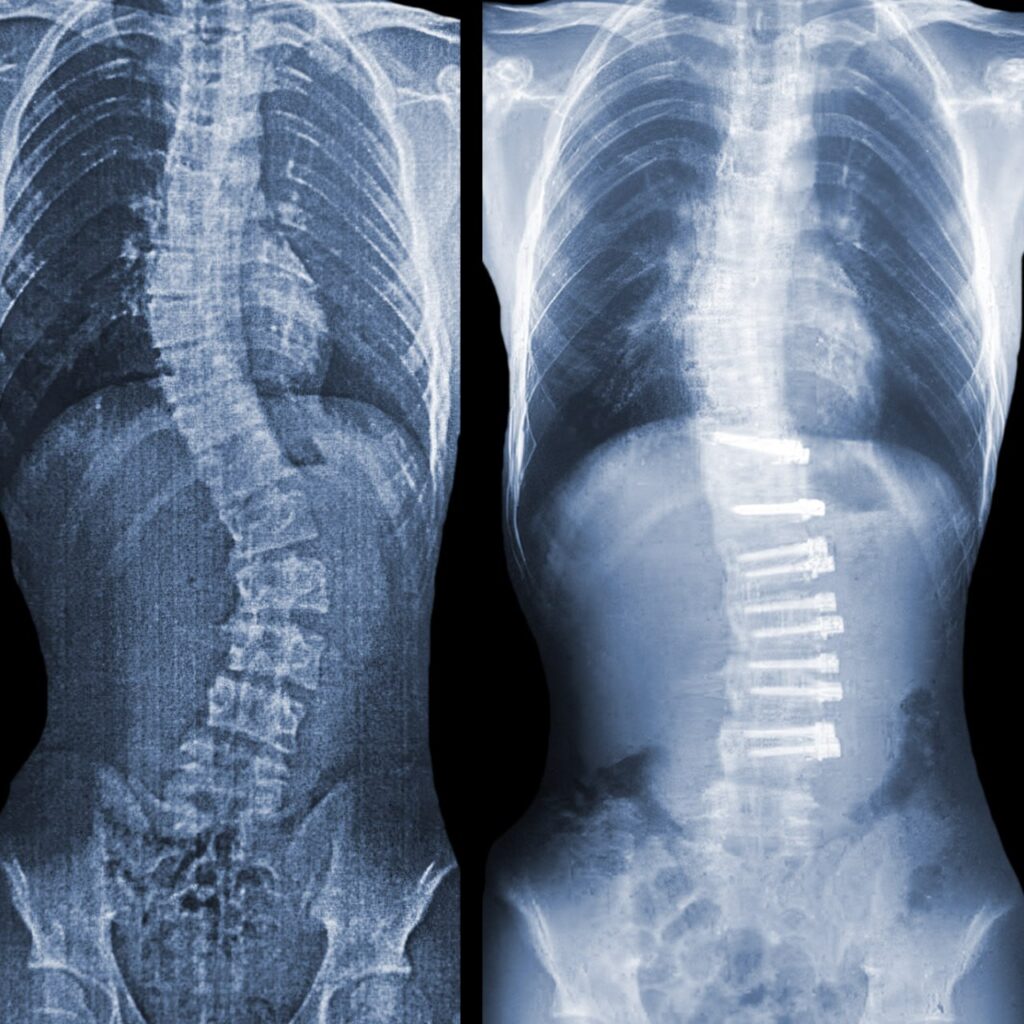

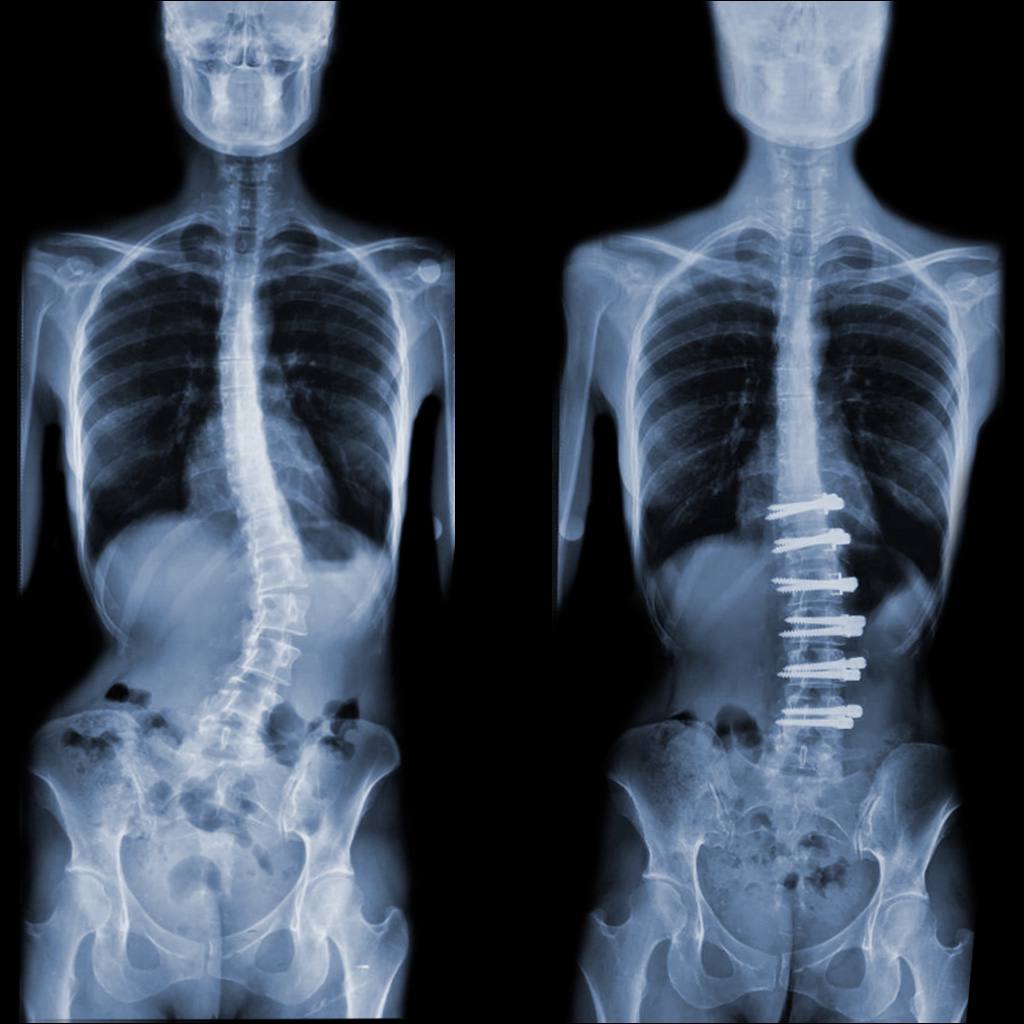
Patient, 16 years old

A year has passed since the surgery for scoliosis treatment.
A dynamic system was implanted at the thoracic spine level.

Curvature angle before surgery: 80°,
after surgery: 28°.

After the intervention, the young woman fully recovered and leads a normal life.
The video clearly shows the results of postoperative recovery.
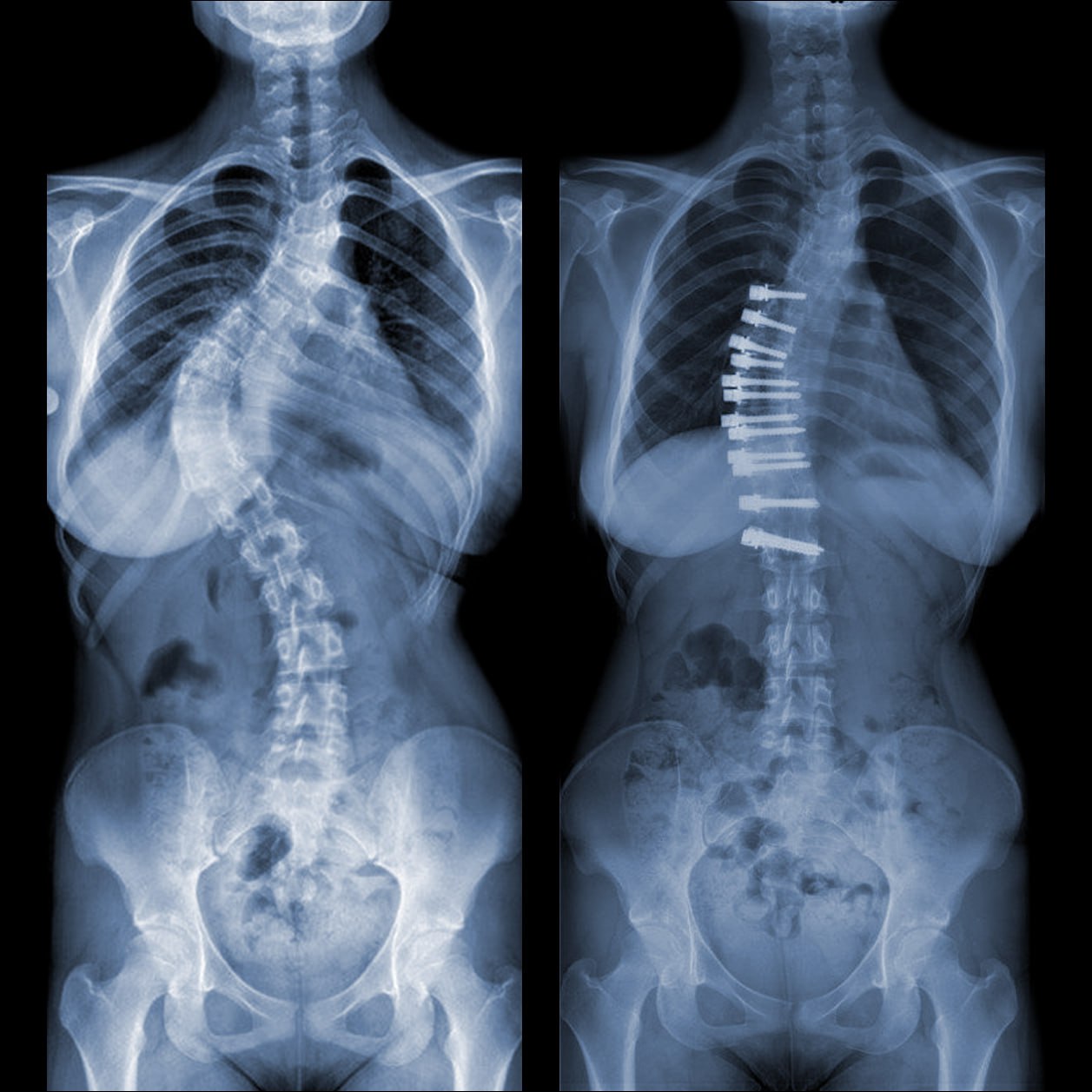
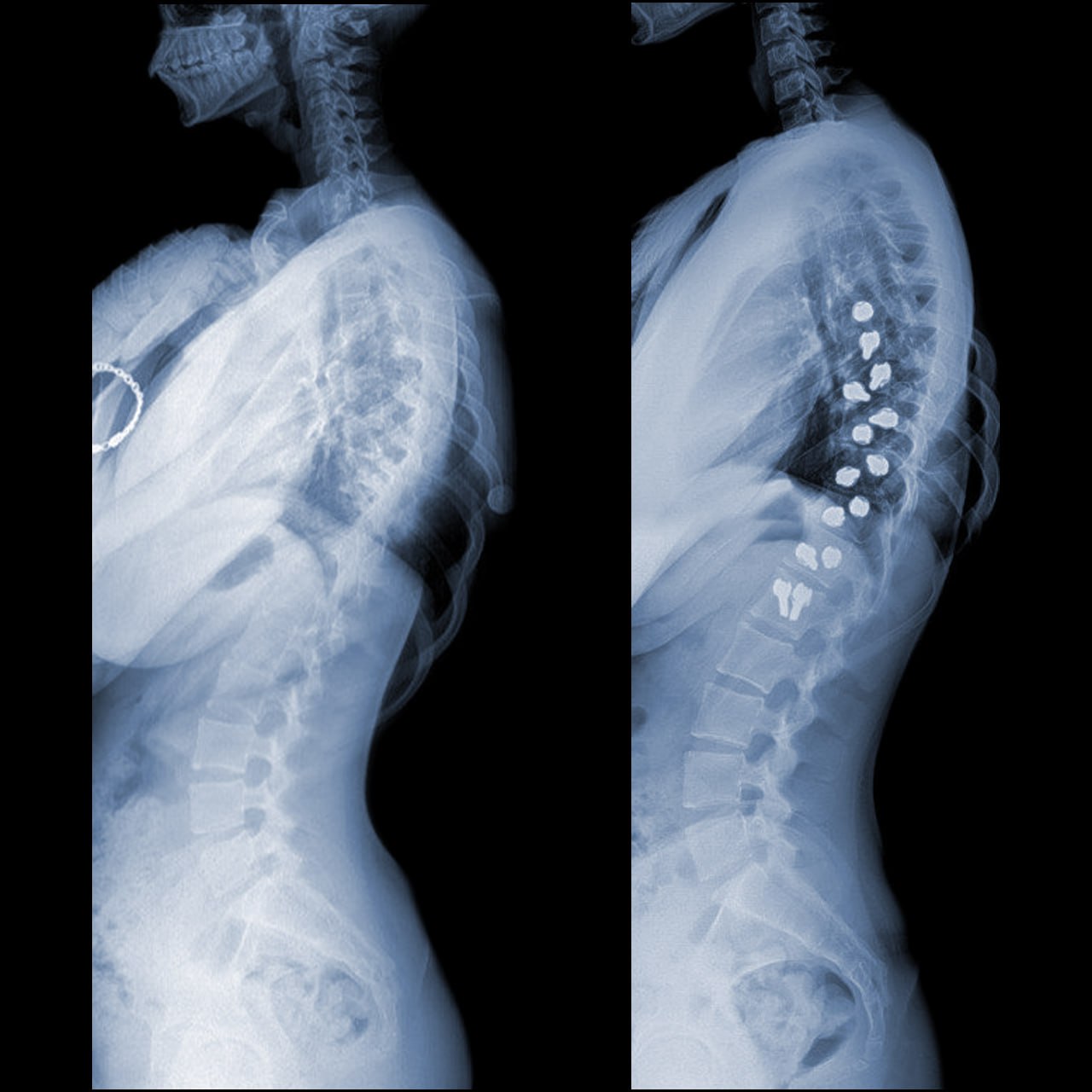
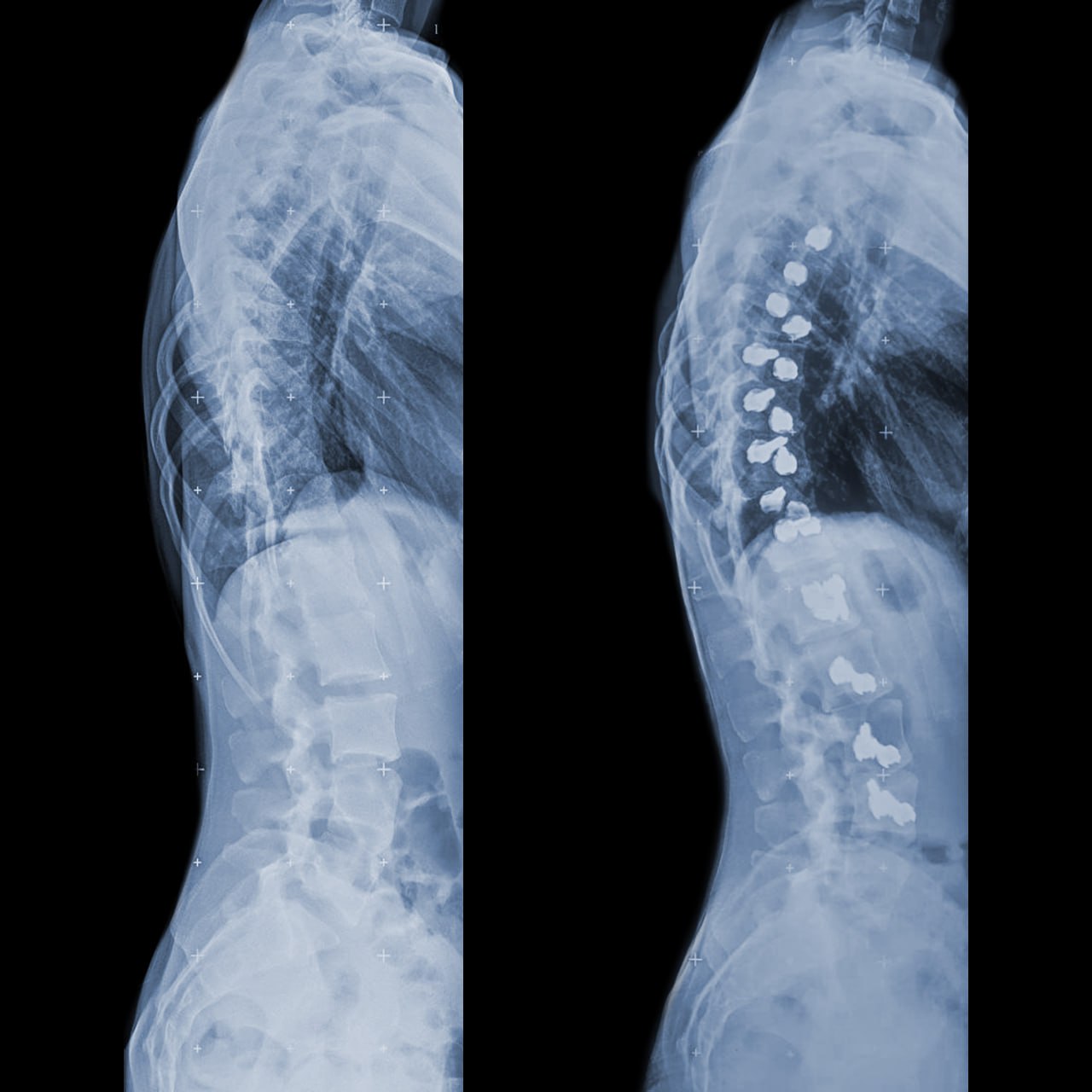
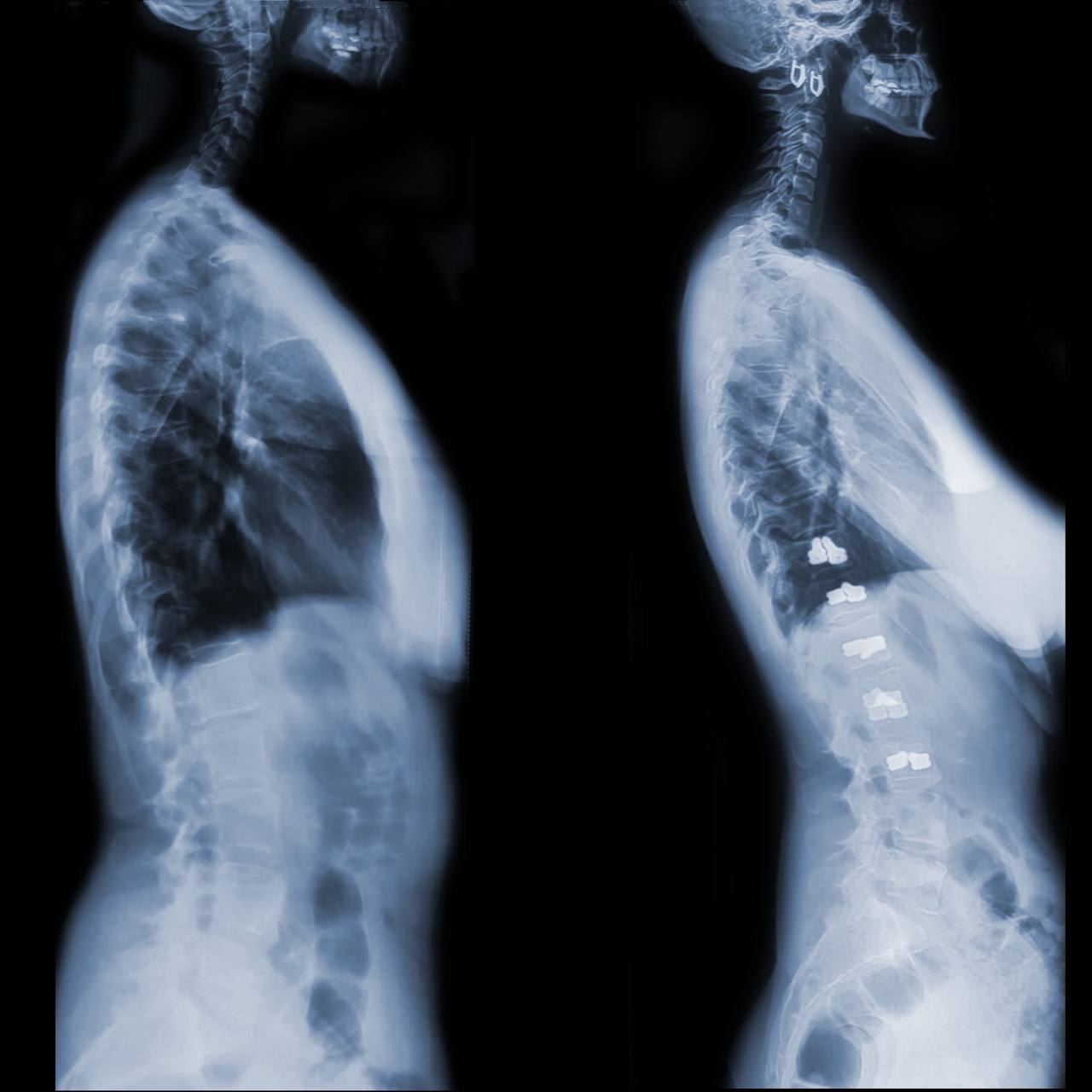
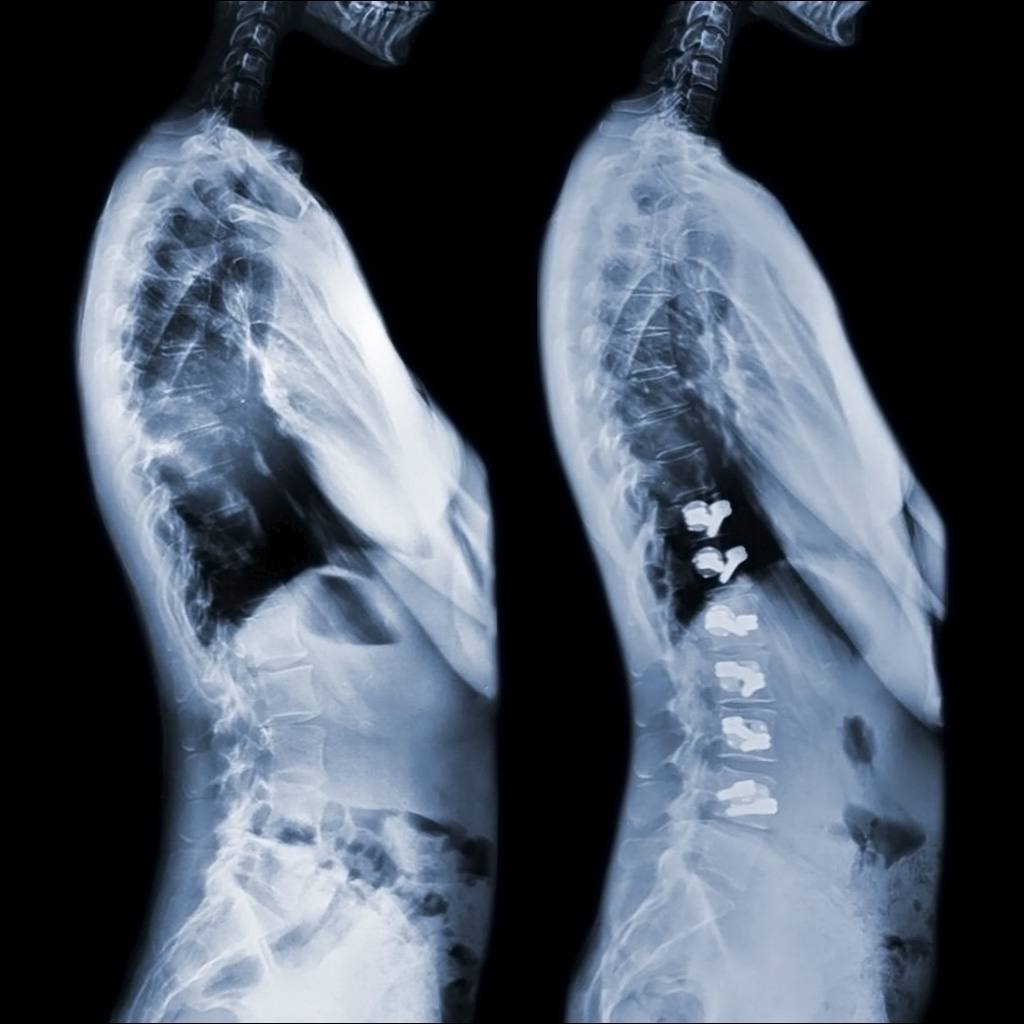
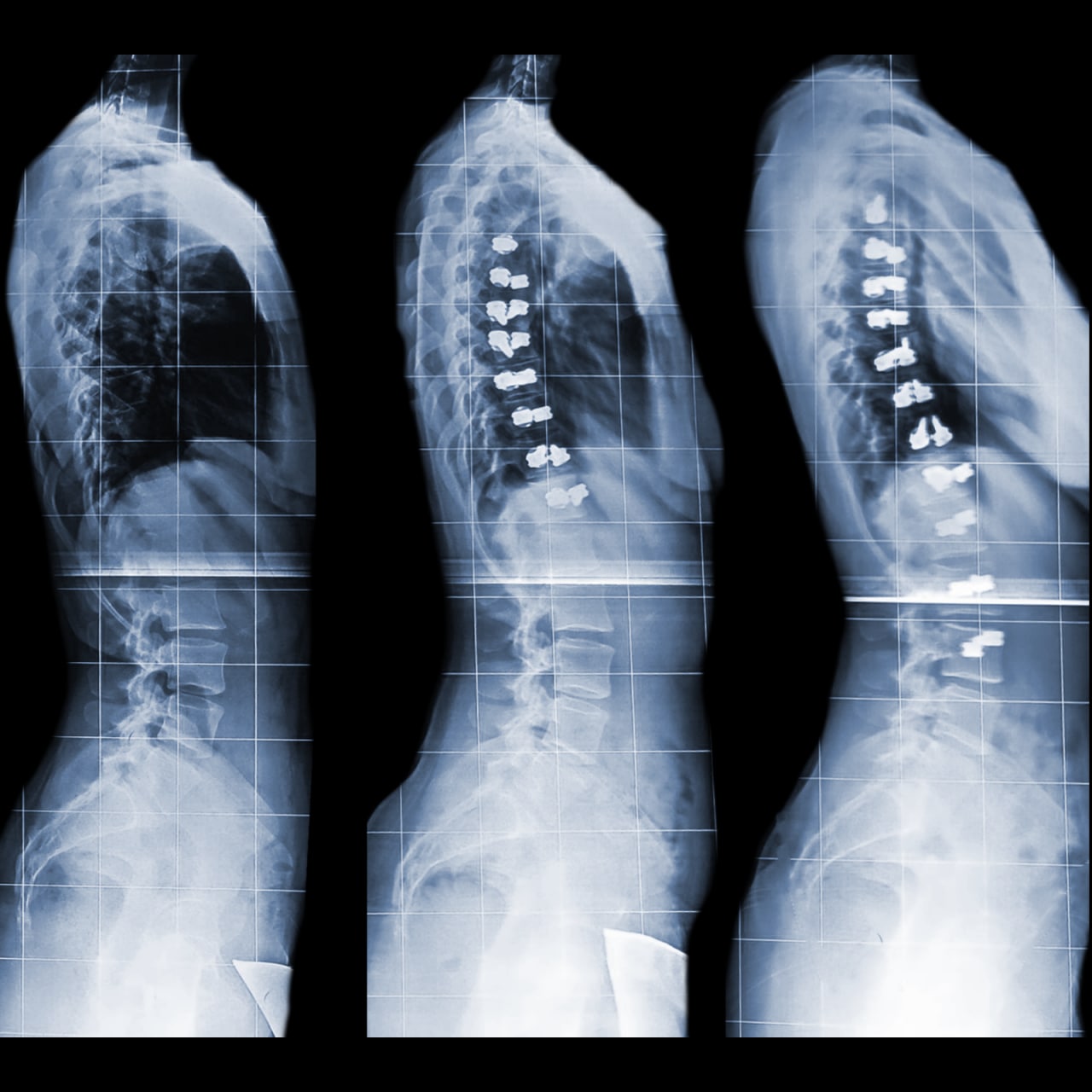
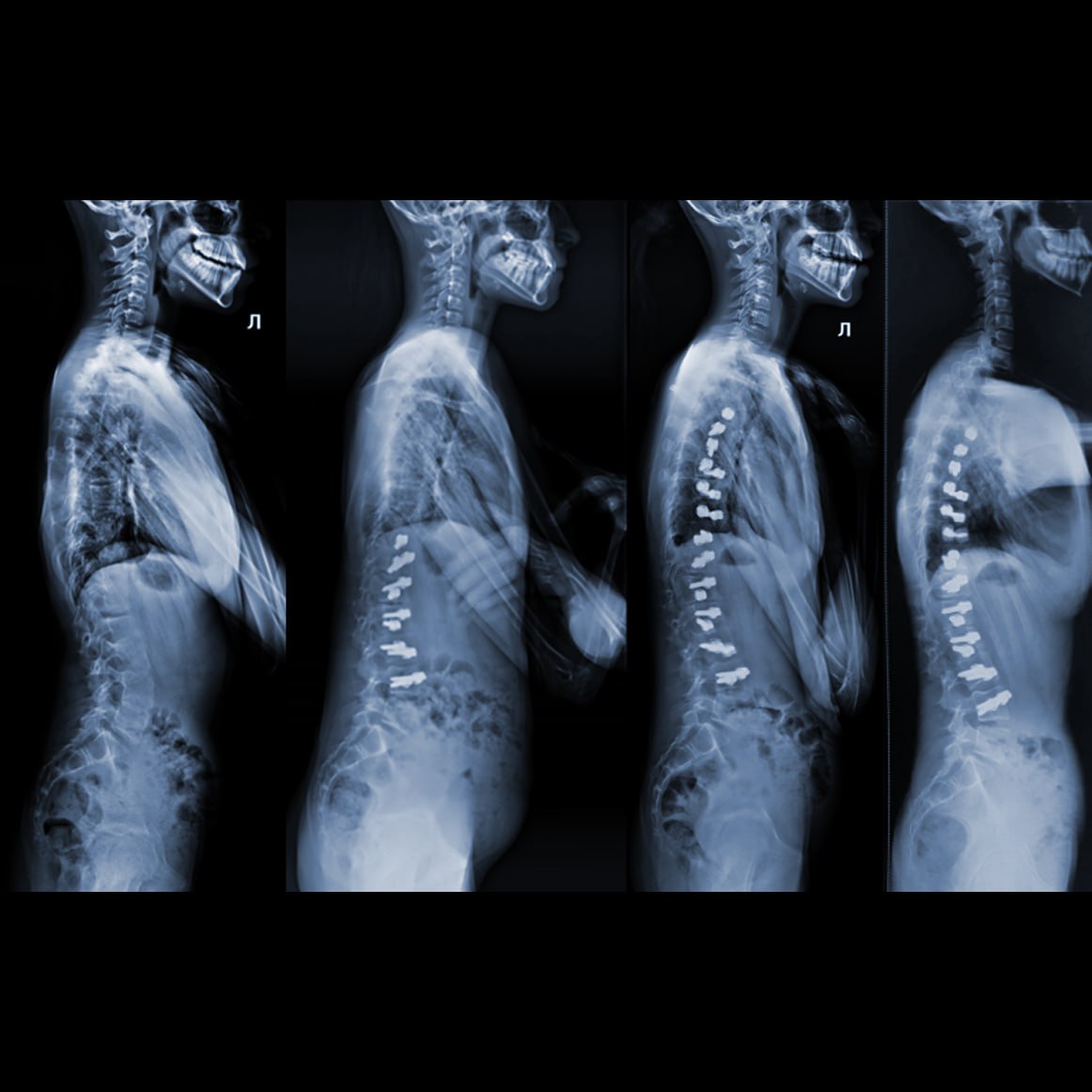
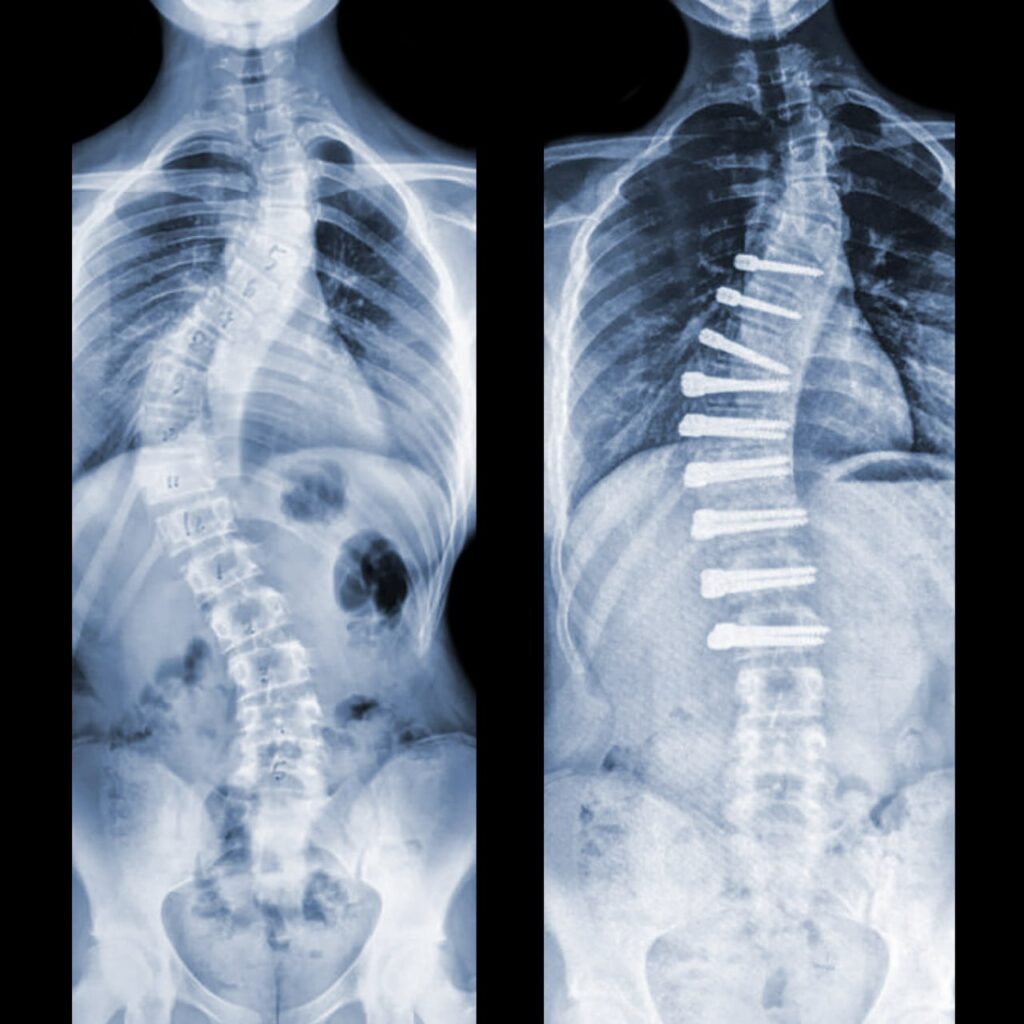
Patient, 13 years old

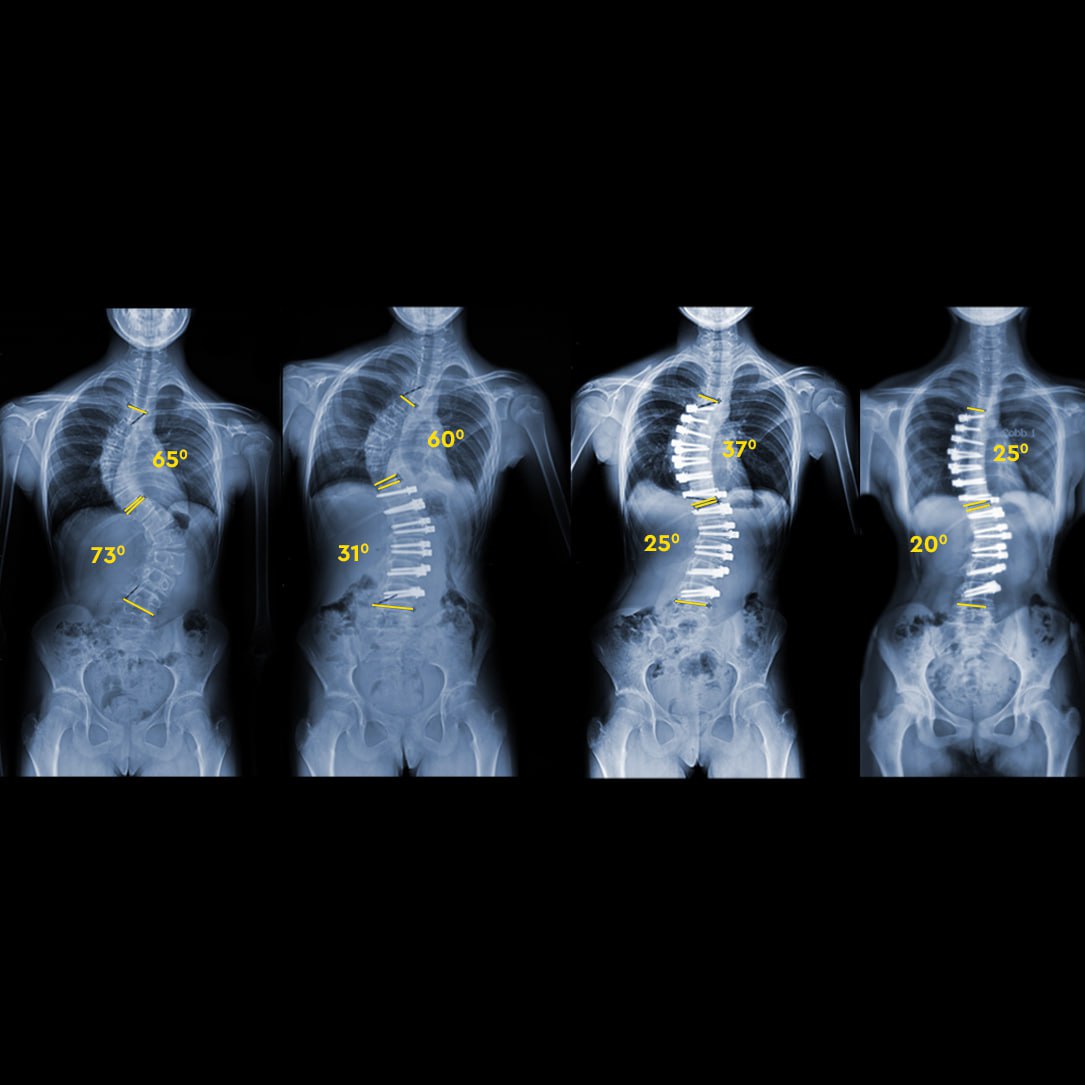
A surgery was performed using a dynamic scoliosis correction system.
X-rays taken at 0, 4, and 12 months after surgery clearly show how the system works.

A year and a half has passed since the intervention – mobility is excellent.

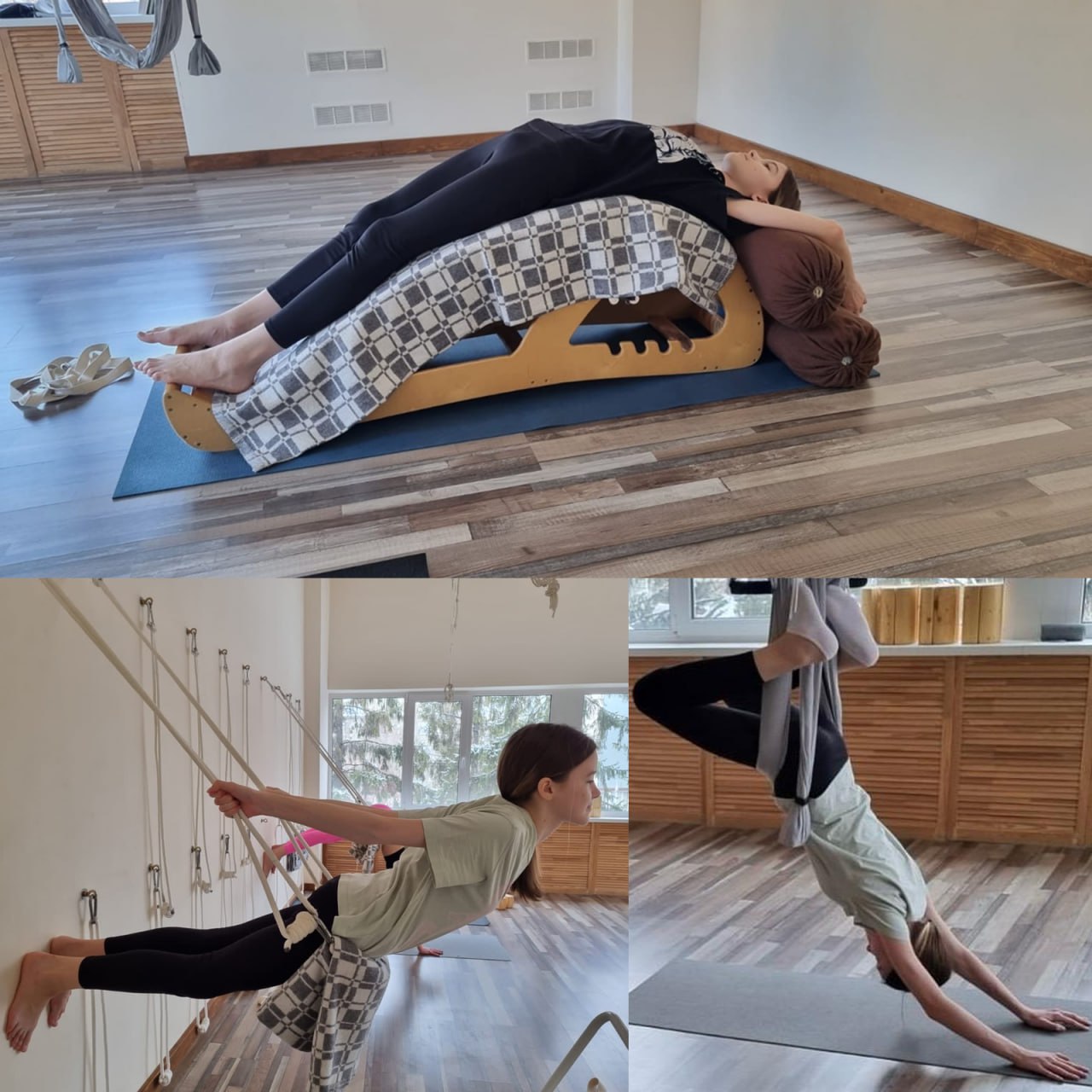
Thank you for the wonderful dance video!
For us, the doctors, it is a great joy to receive such “greetings” from patients who, after surgery, discover new things, explore unknown directions, and start a new, more active life.
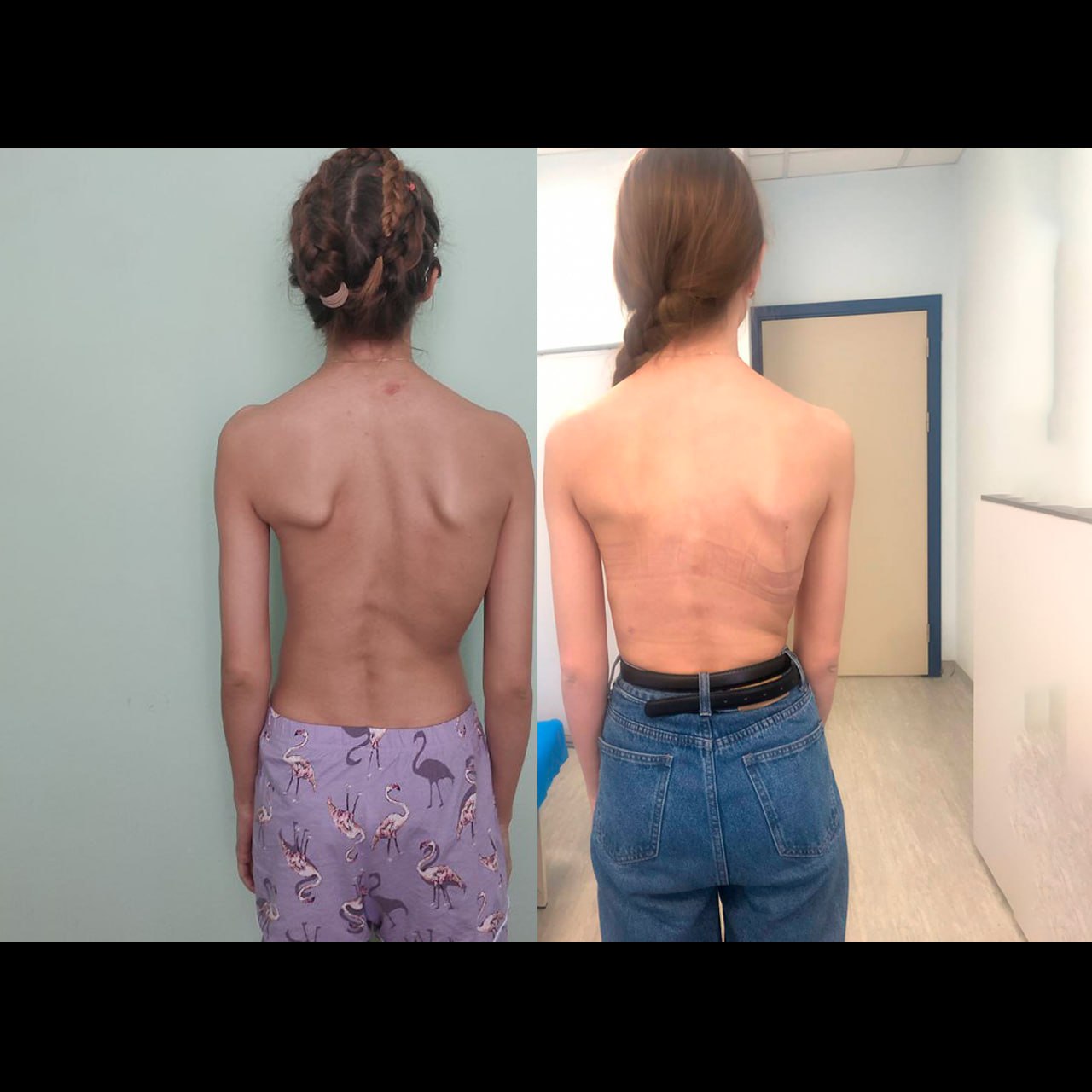
Patient, 23 years old

1.5 years have passed since the two-stage surgical correction of scoliosis, performed using the dynamic scoliosis correction method (ASC).
Excellent result: straight back and remarkable flexibility.
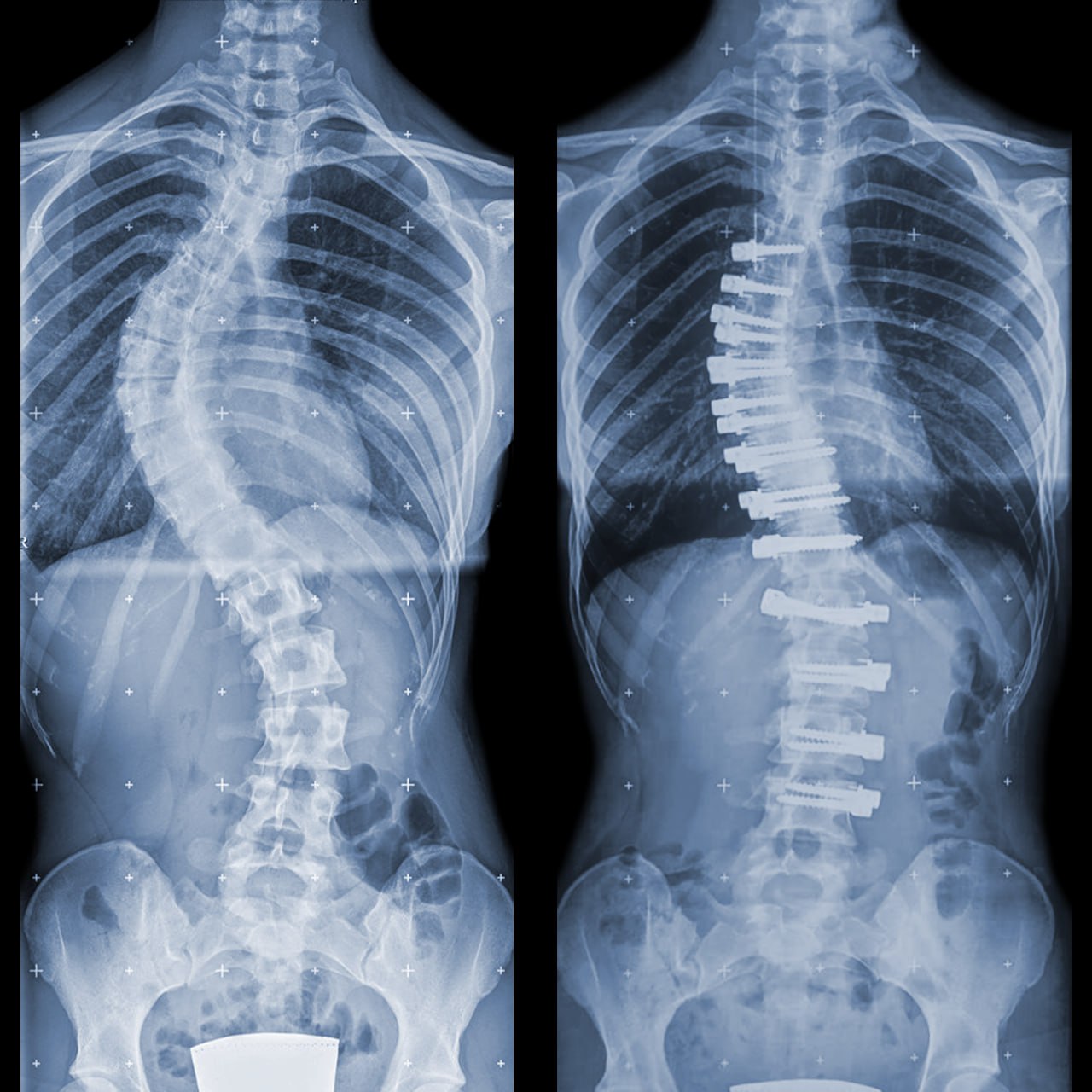
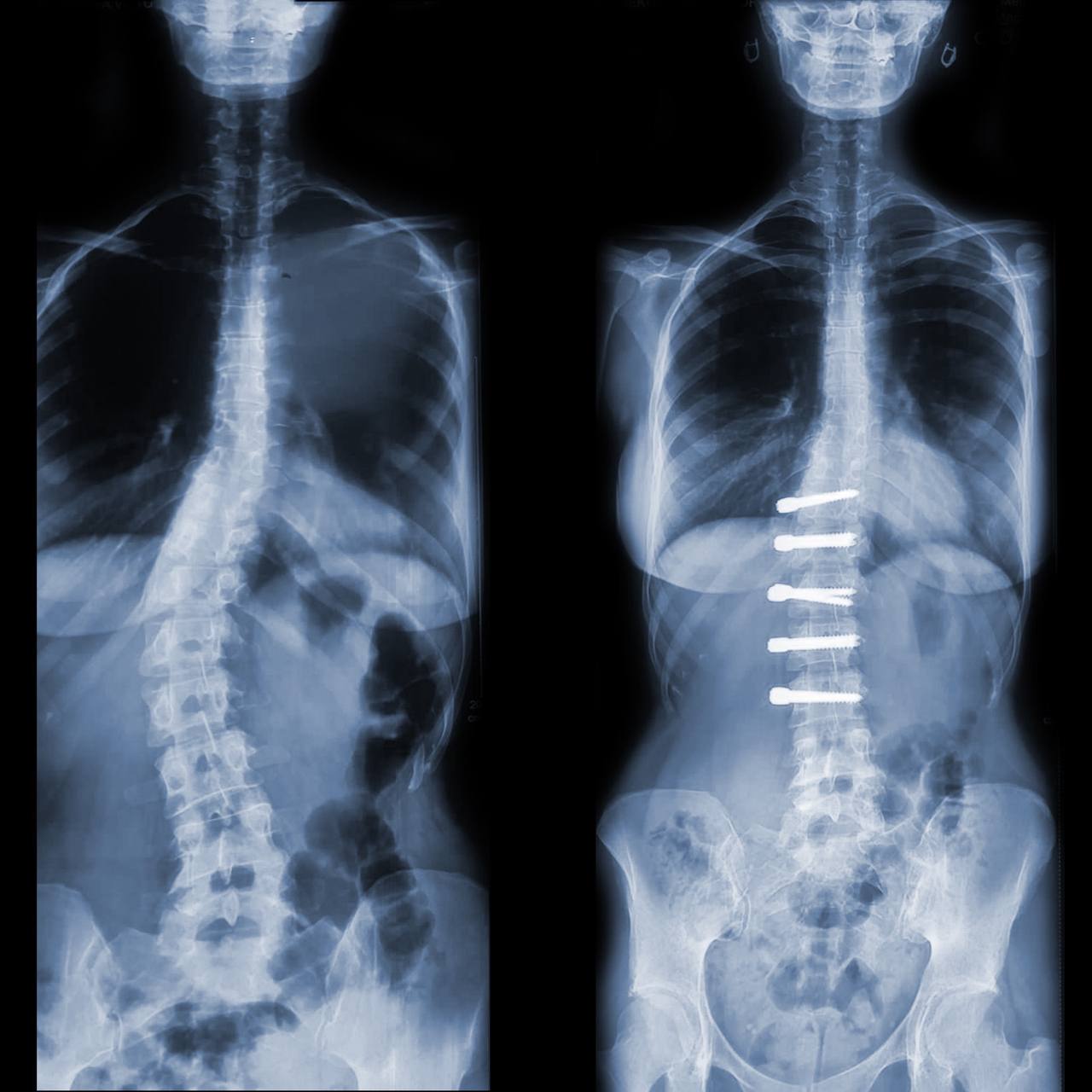
Patient, 34 years old.

3 months have passed since the dynamic correction of lumbar scoliosis.
Complete recovery.

Before surgery: 40 degrees.
After surgery: 7 degrees.


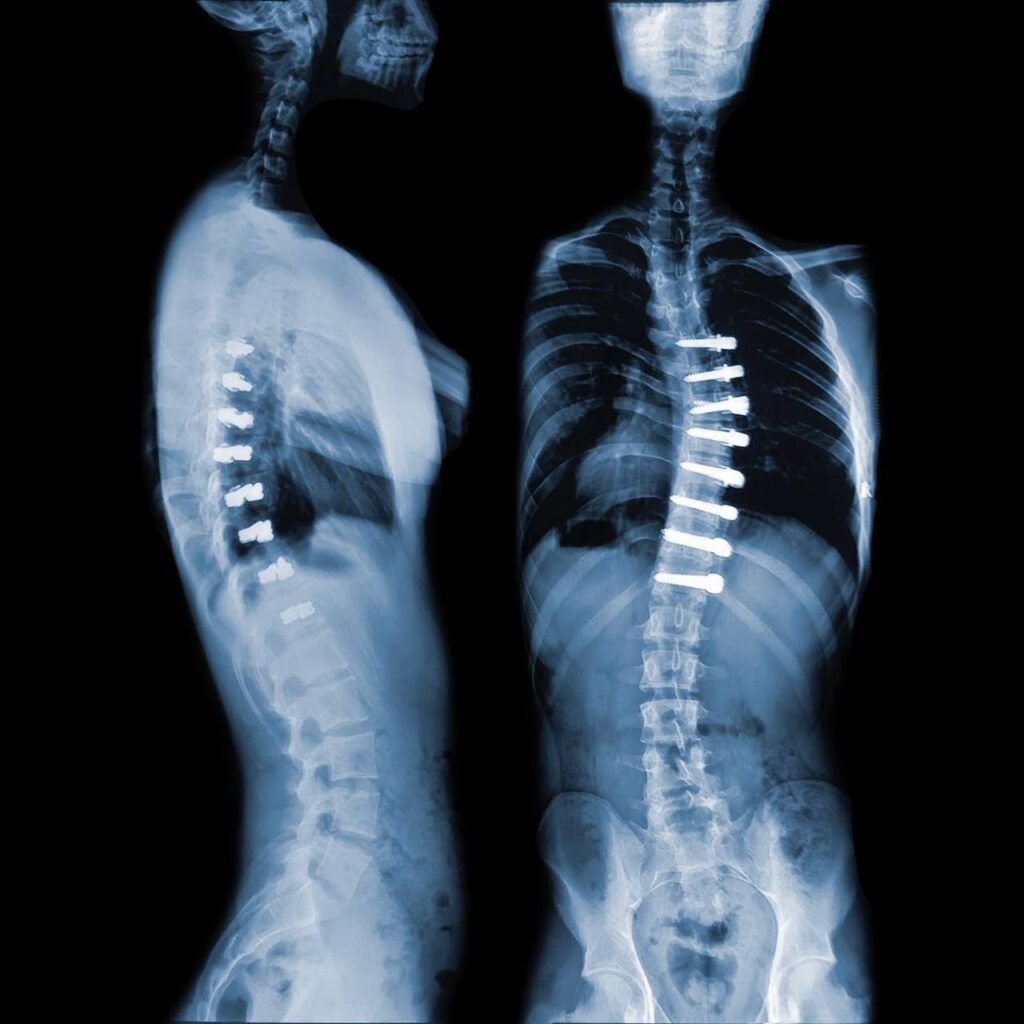
Patient, 17 years old.

Almost 8 months ago (September 8, 2021), dynamic scoliosis correction was performed using the ASC method.

Over the weekend, he participated in competitions and achieved the first sports category in powerlifting.
Results: bench press 90 kg, back squat 120 kg, deadlift 130 kg.
Total: 340 kg.

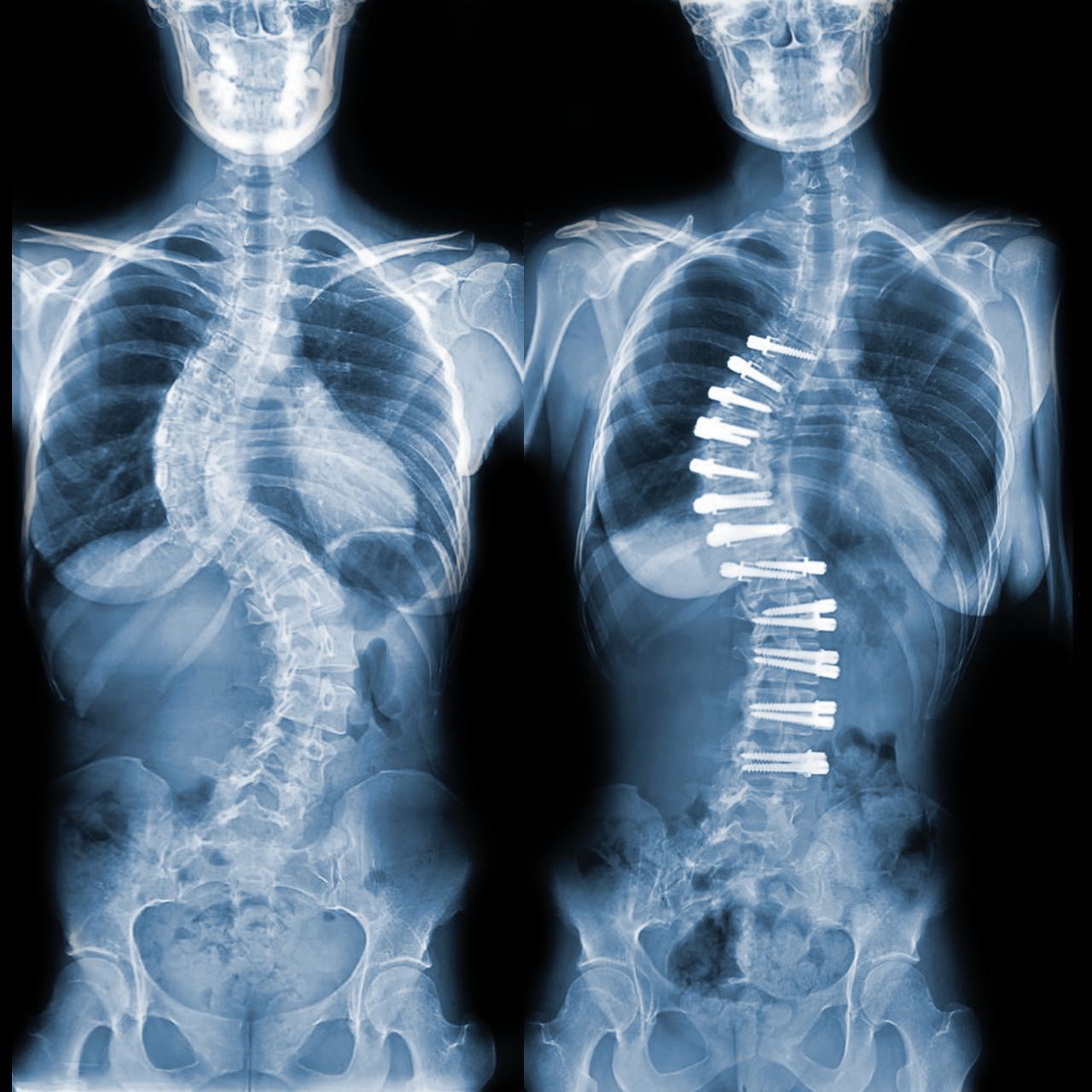
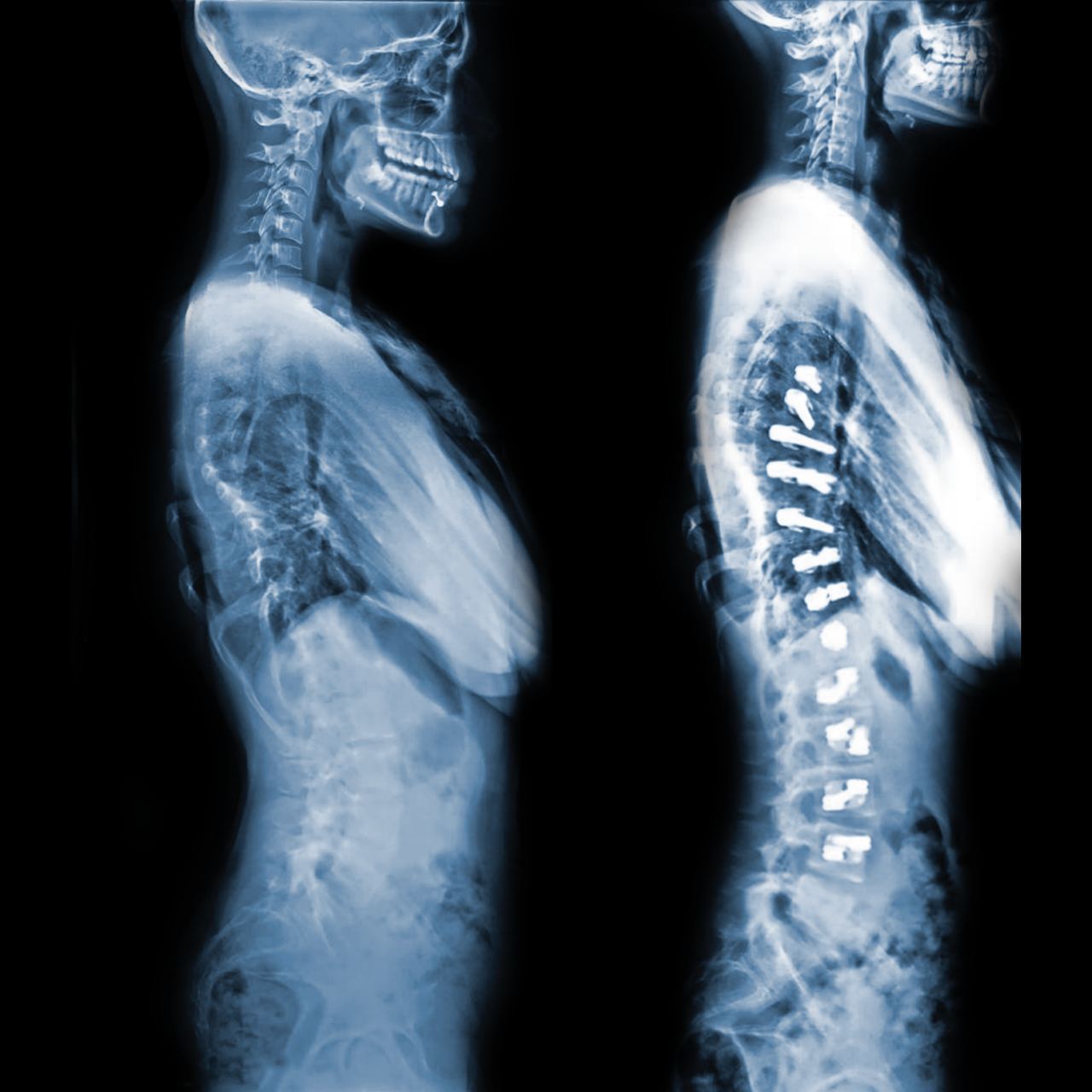
Patient, 24 years old. Dance coach.

3 months ago, she underwent 2 surgeries, 2 weeks apart, using dynamic scoliosis correction technology in the thoracic and lumbar regions.

The girl returned to intense sports activities and delights us with her results.

Deformation angle before surgery: thoracic area – 80°, lumbar area – 62°.
After surgery: 37° and 10°, respectively.
Patient, 30 years old.

Result after bilateral scoliosis correction with the dynamic system using the ASC method.
The video was filmed 1 year after surgery.

Almost perfect correction.
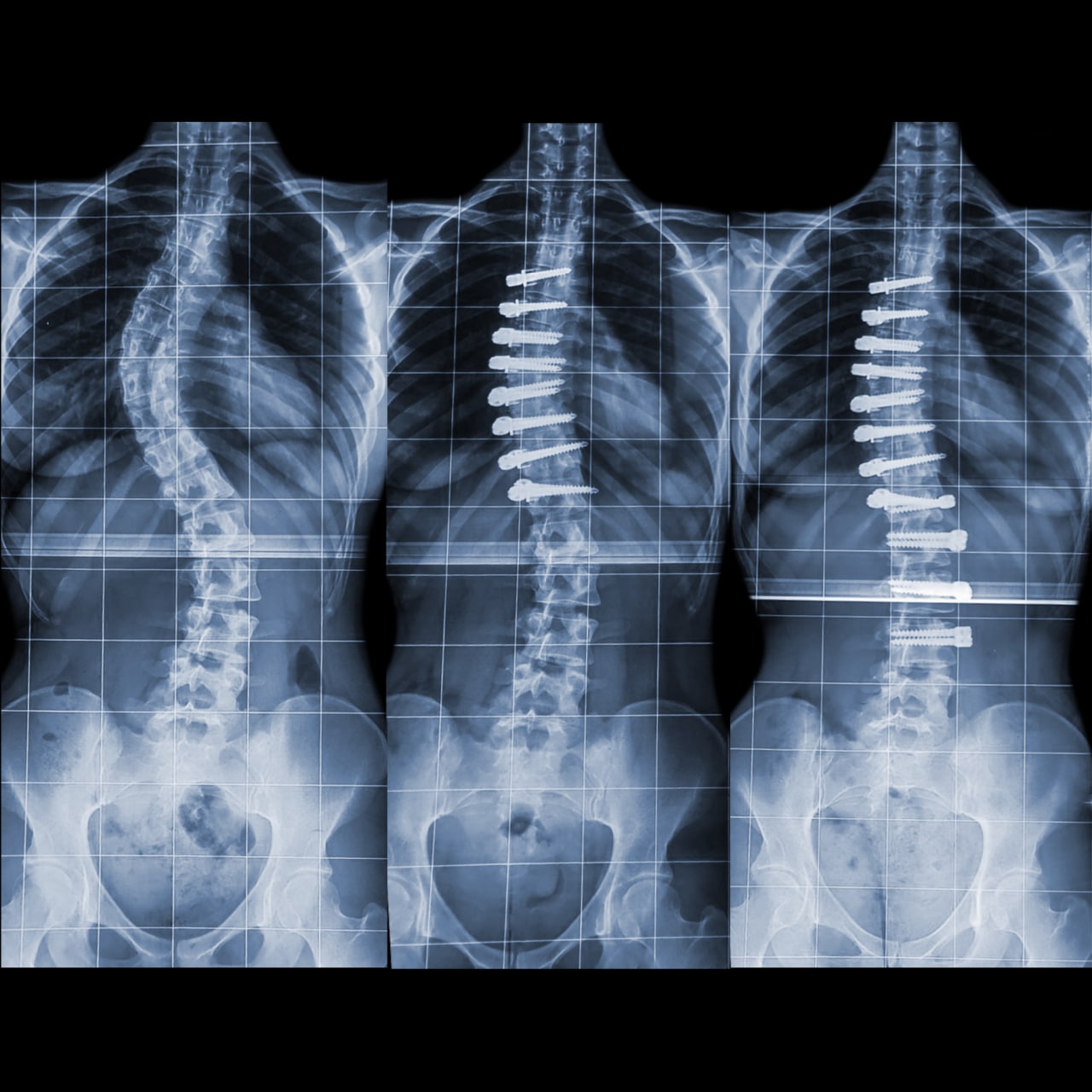

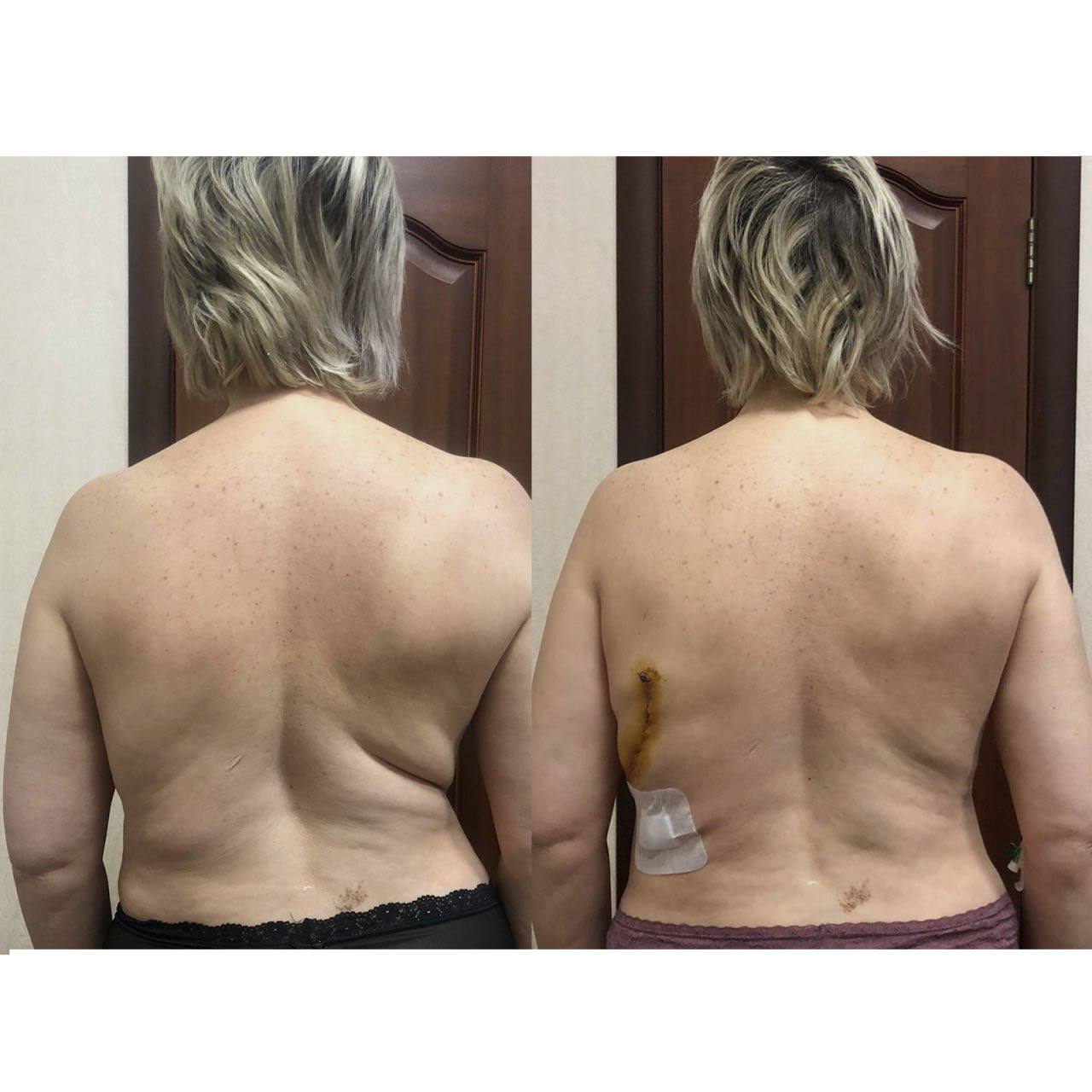
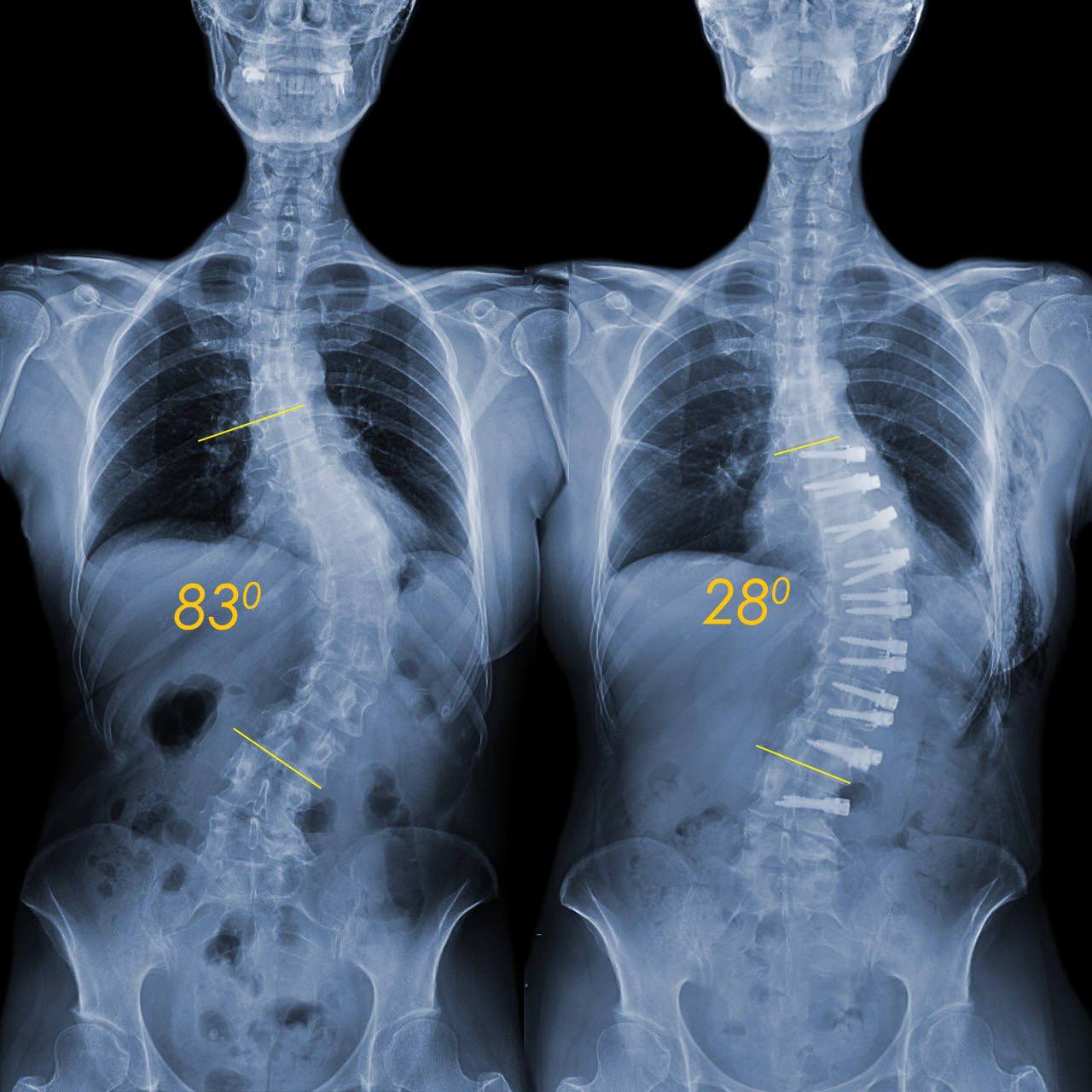
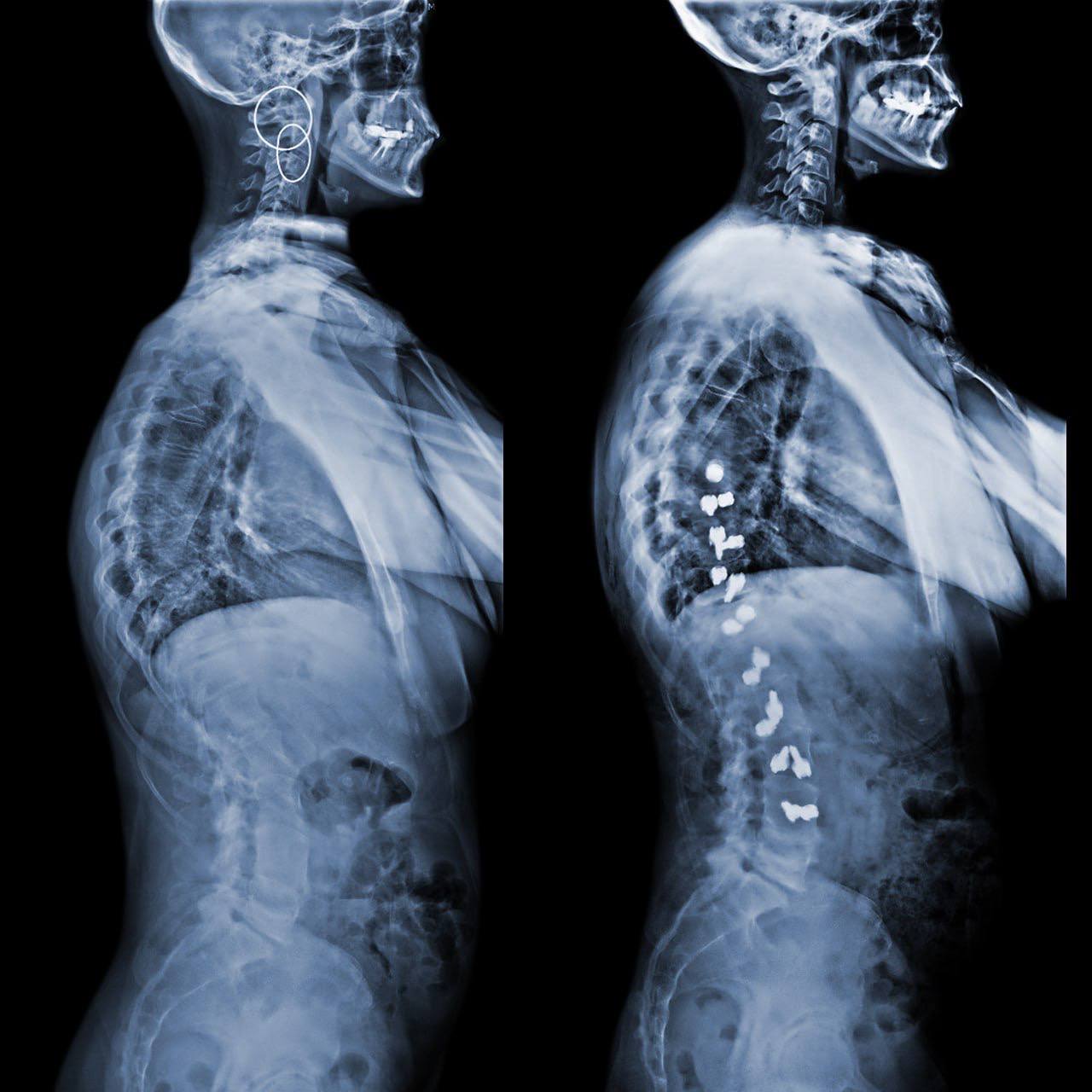
Can dynamic correction be done at 51 years old?

Yes, it can, and the result will be good.

Before surgery: 83°, after surgery: 28°.
The recovery speed is impressive.
Mobility 7 days after T8–L4 correction.
Patient, 17 years old.

3 months ago, surgery was performed using the ASC method, dynamic scoliosis correction, in two stages: at the thoracic and lumbar spine levels. Recovery after surgery is progressing successfully, and mobility is demonstrated by the patient in the video.
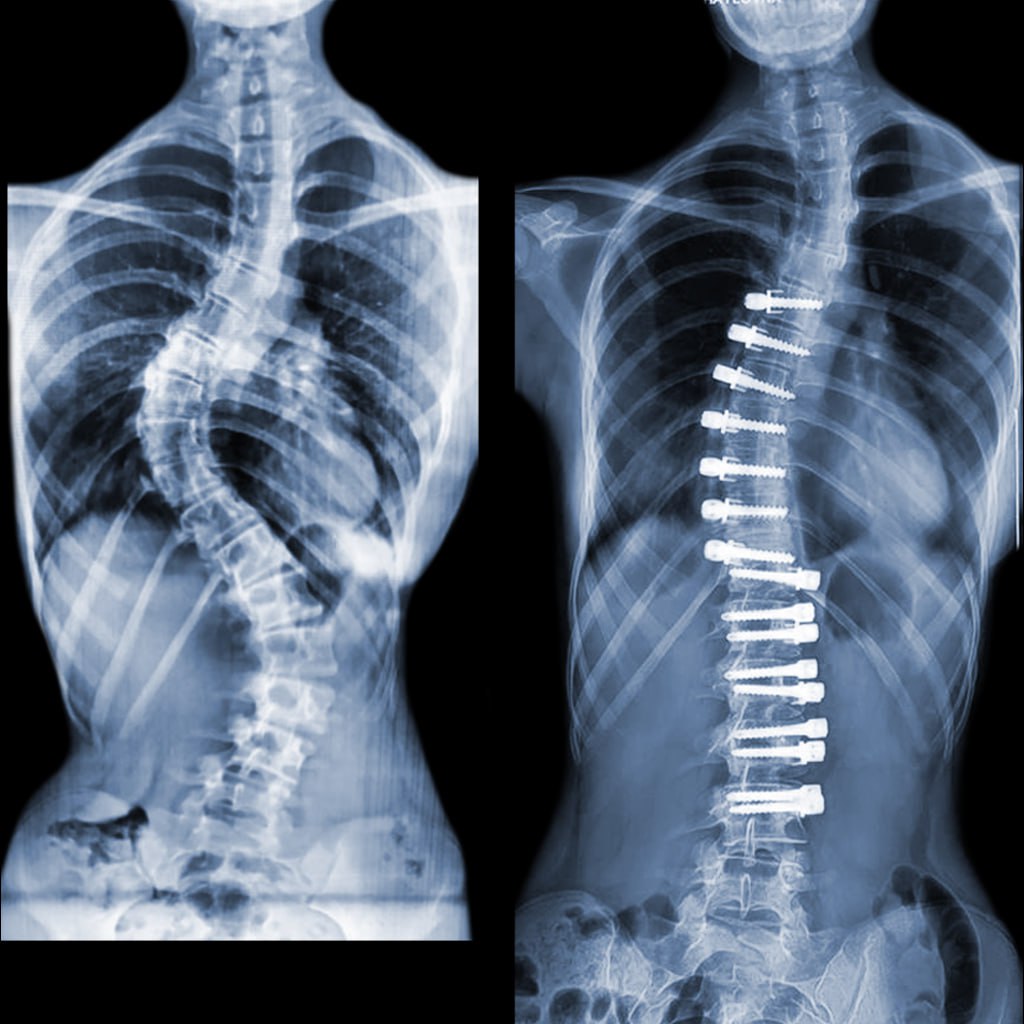

Patient: Female, 25 years old, doctor.

Scoliosis before surgery: 78°, after surgery: 21°.
It is difficult for doctors to decide on surgery, we know the situation from the inside.
But if a doctor entrusts their own body for correction – that means a lot.
Dynamic correction will allow her to fully realize her potential: to help other patients and forget about scoliosis.
Patient, 20 years old.

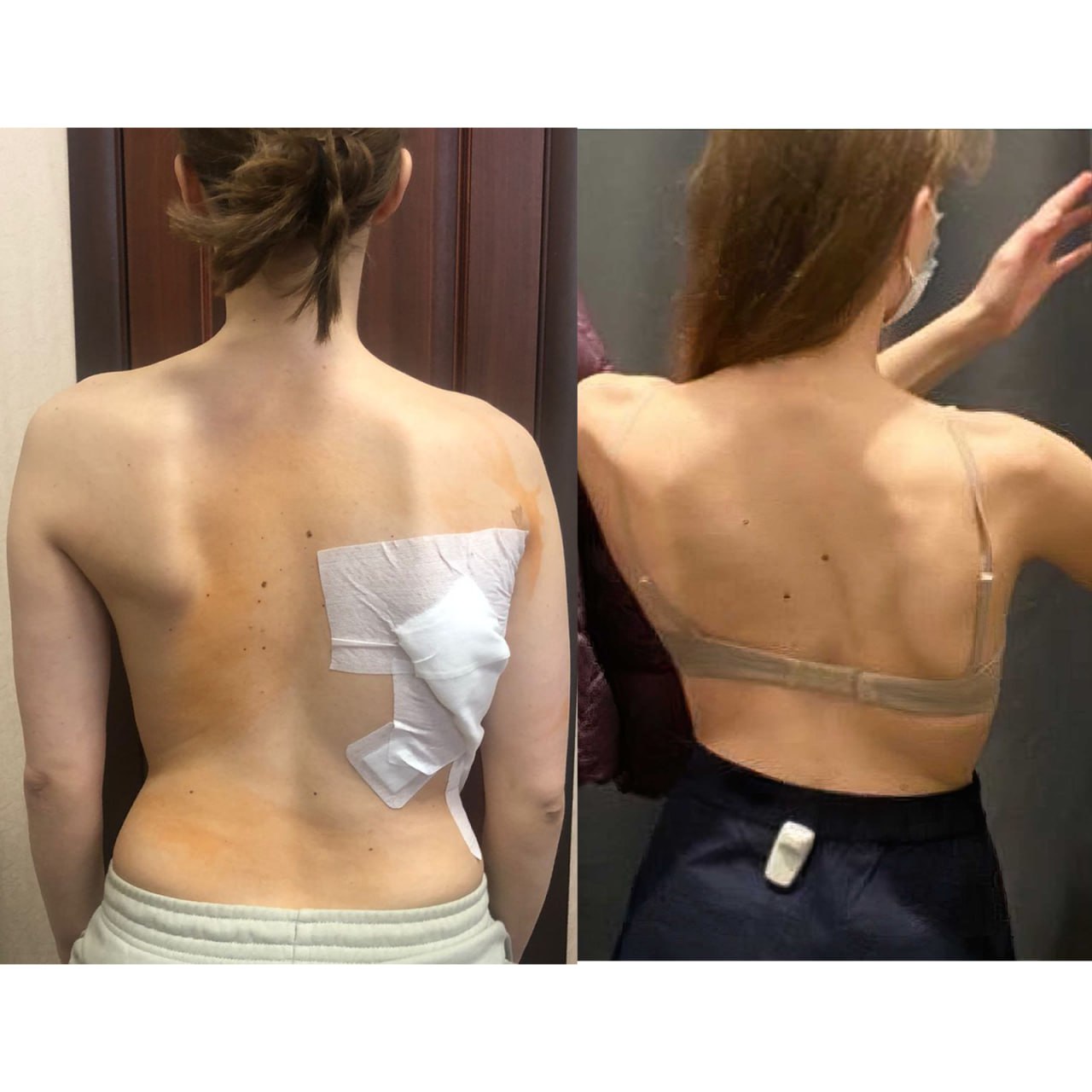
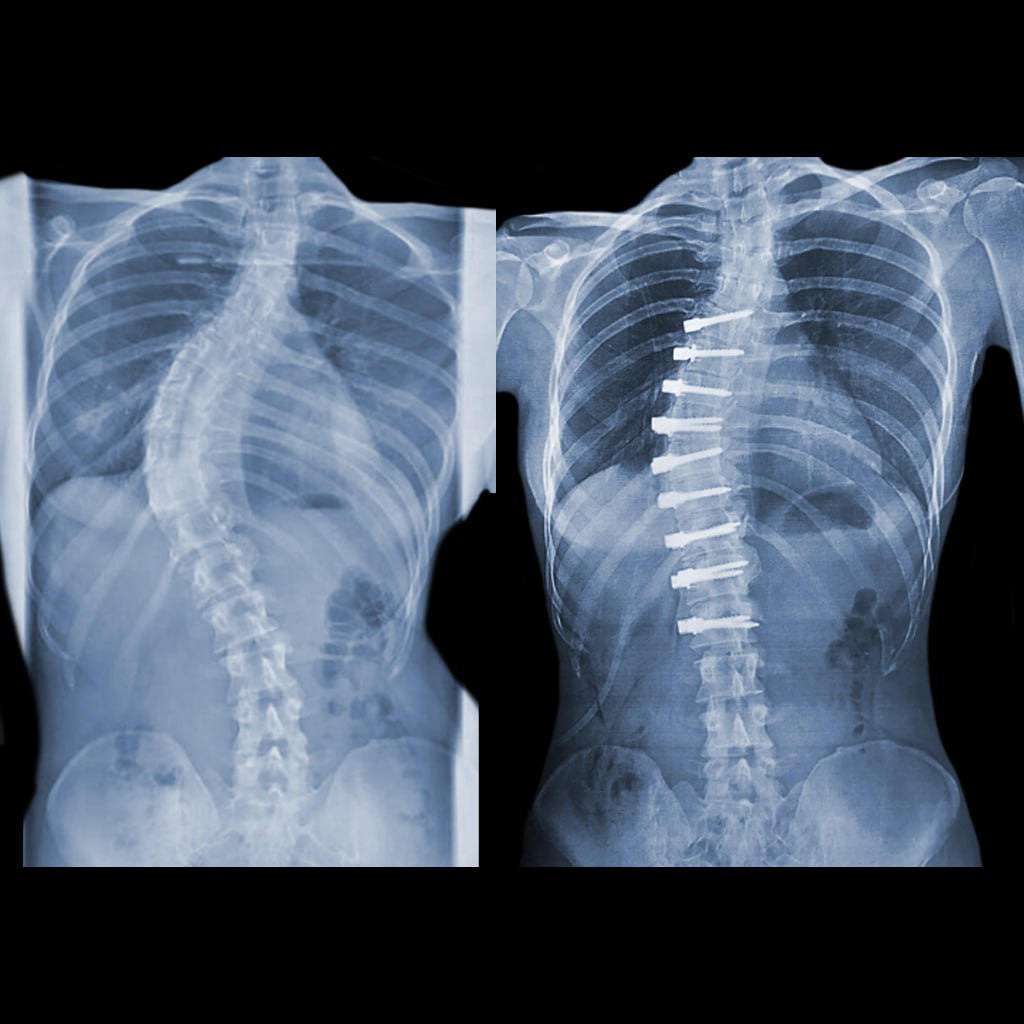
Diagnosis: grade 4 scoliosis.

Surgical treatment was performed. Dynamic correction of the extensive T5-L3 deformation allowed for good scoliosis correction, with a significant derotational effect.

Deformation angle before surgery: 67°.
Deformation angle after surgery: 12°.
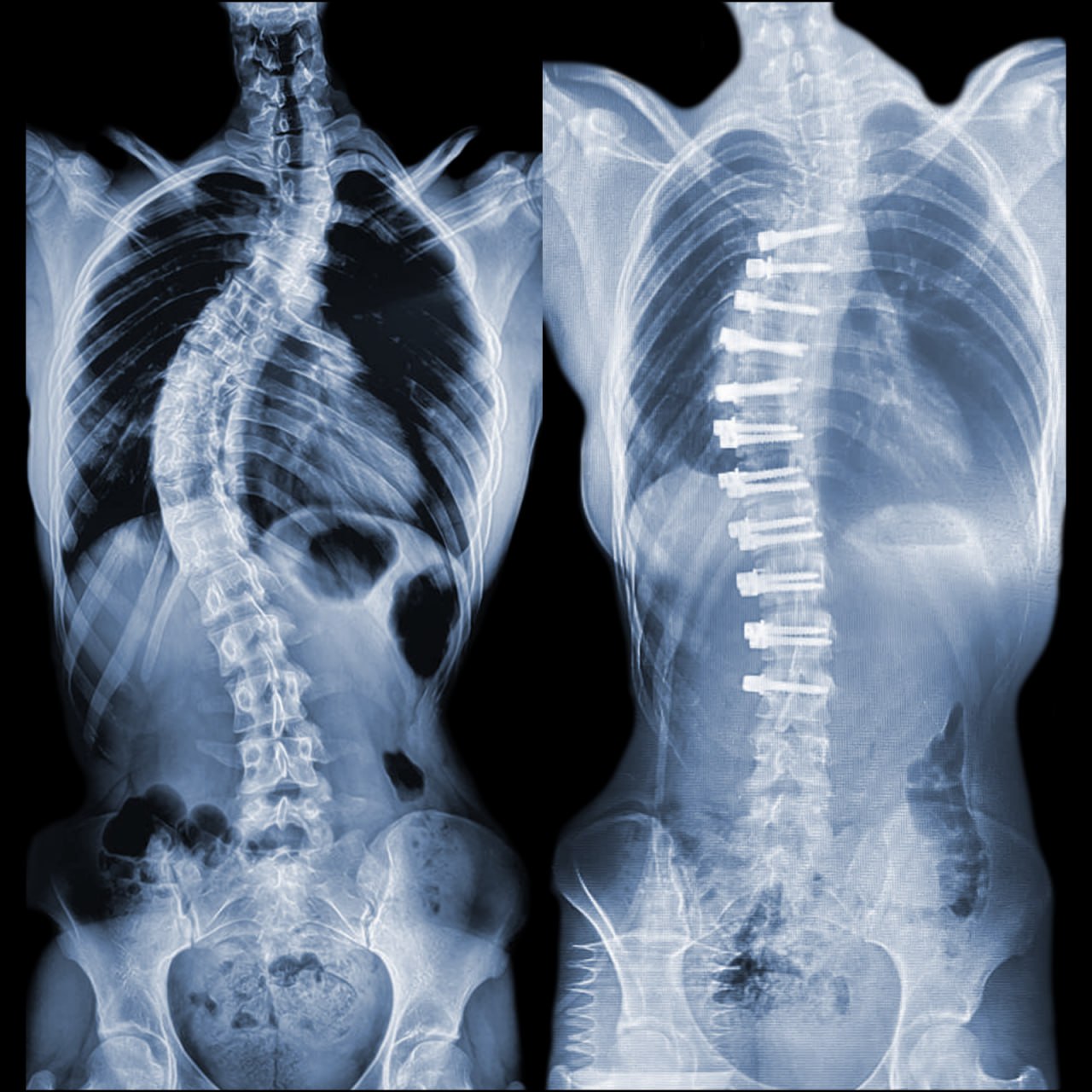

Our patient. 4 years have already passed since the surgery, and the young woman leads an active sports life.
I wish her continued success in sports, keep it up!

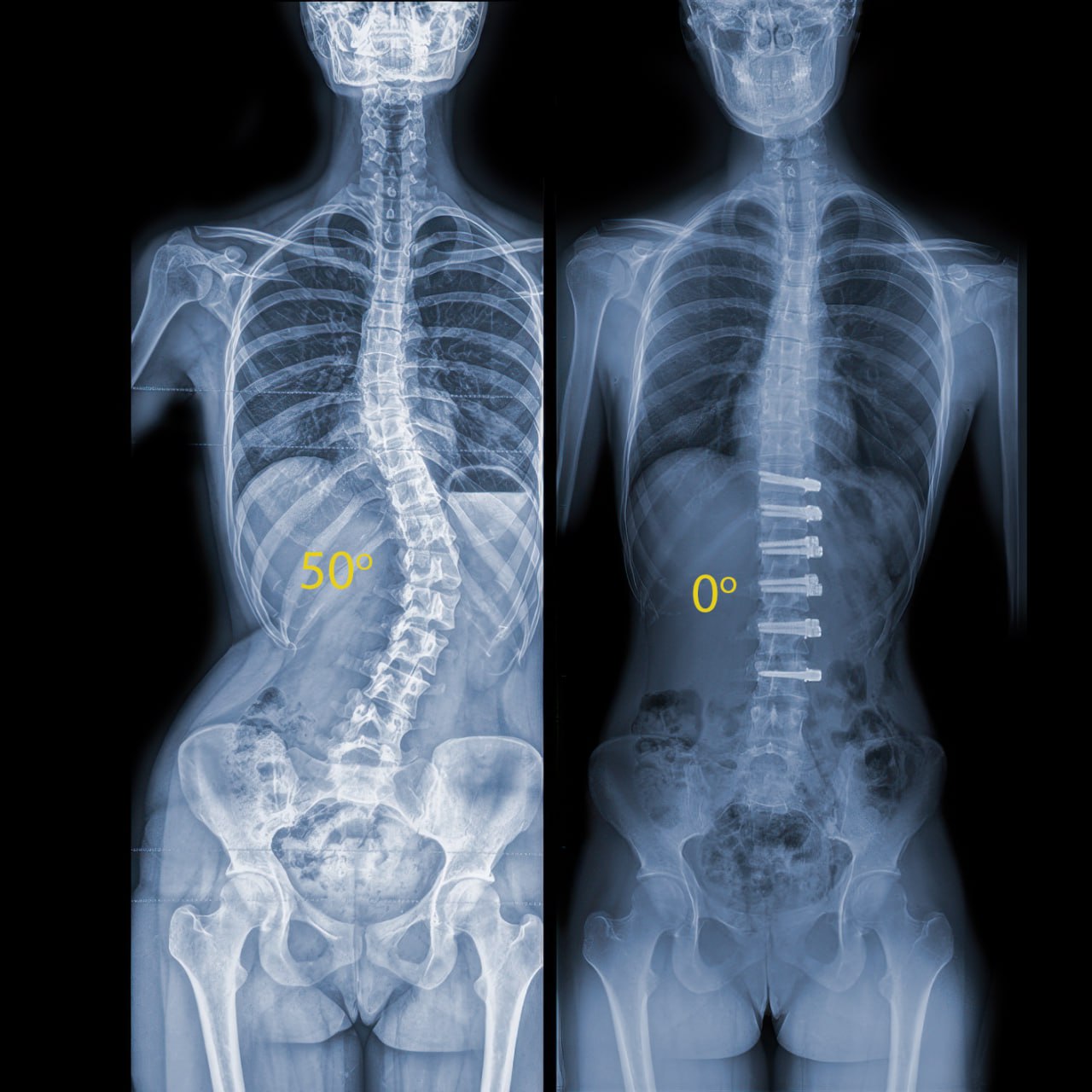
Patient, 21 years old.

Thoraco-lumbar scoliosis, before surgery 50 degrees.
For this type of deformation, the dynamic spinal correction method is the method of choice.

Result – ideal correction, 0 degrees.

Dynamic spinal correction

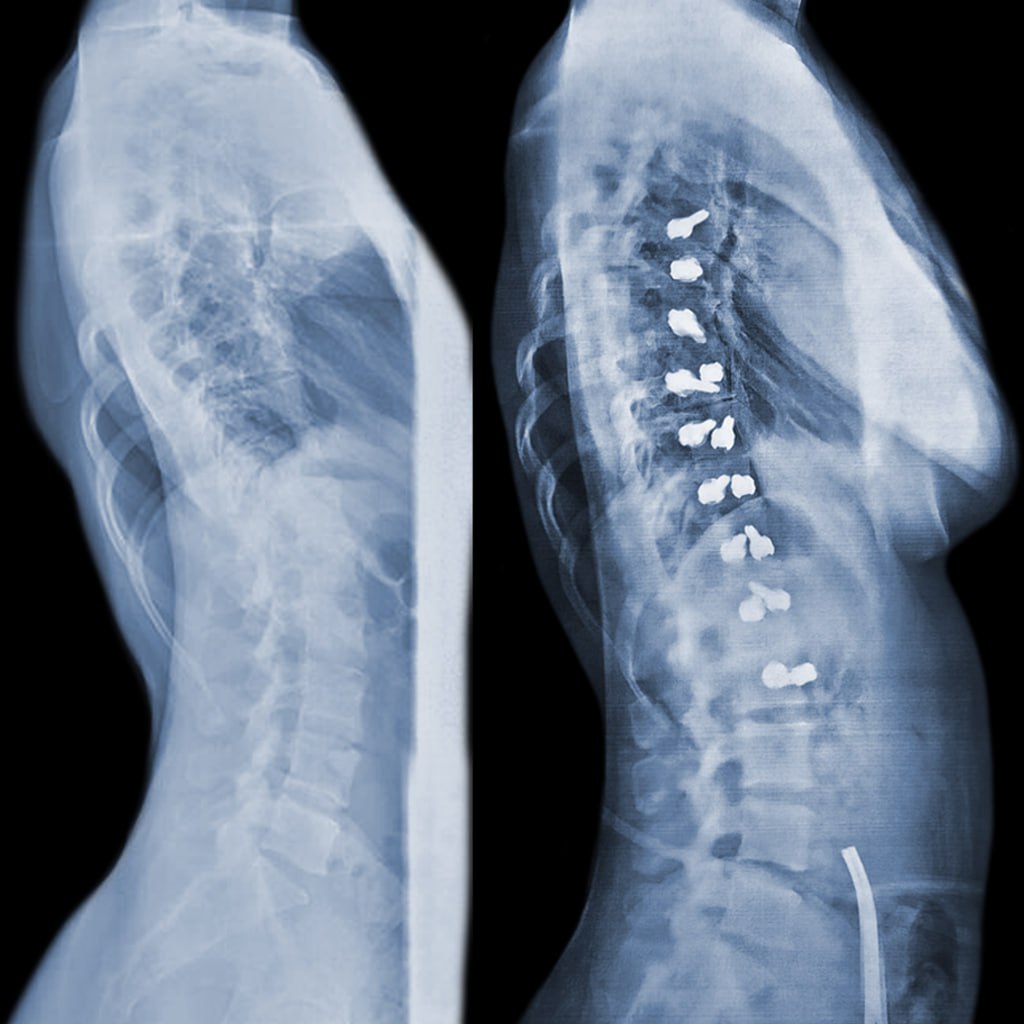
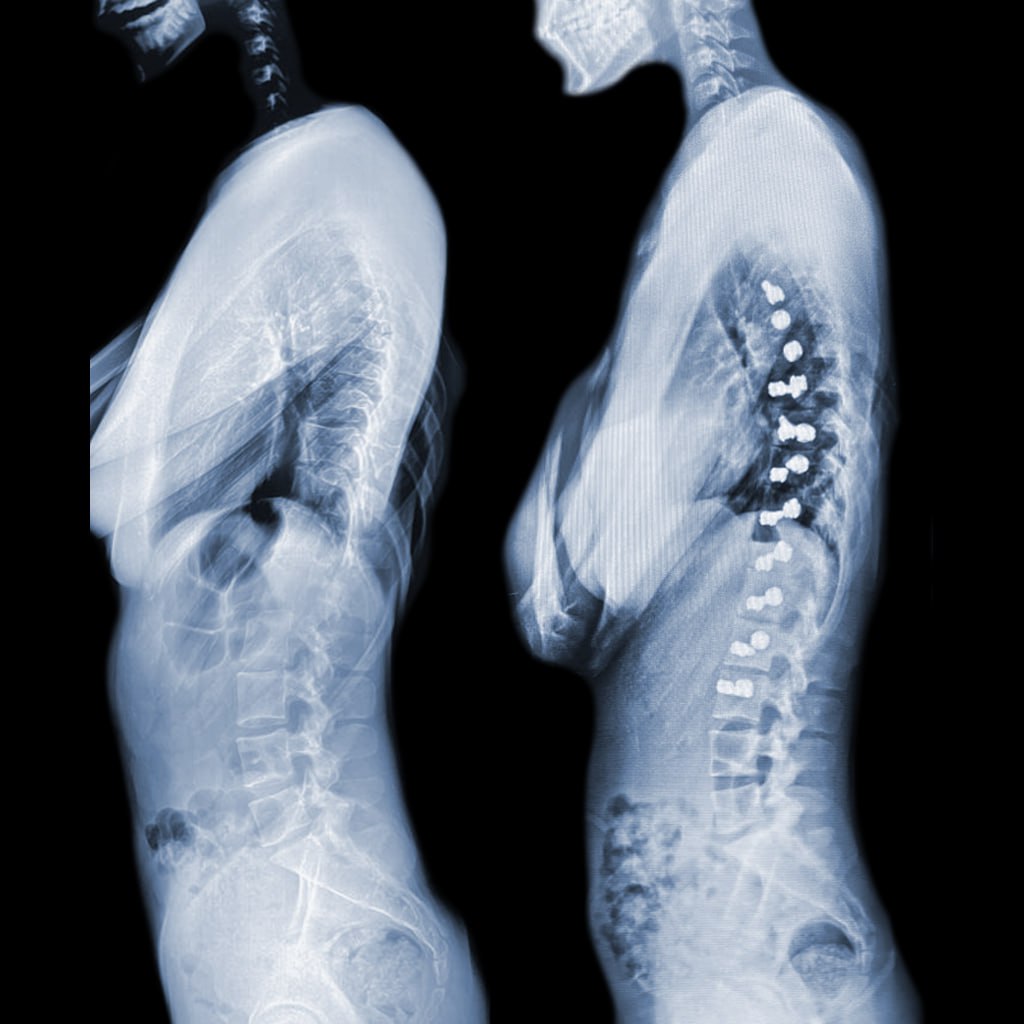
A new approach in scoliosis treatment — dynamic spinal correction in growing patients (Vertebral Body Tethering, VBT) for patients with growth potential. During treatment, there is an autocorrection of the deformation as the child grows — the so-called “remodeling”.

Dynamic spinal correction is a modern method of treating scoliosis and other deformities, which allows for:

  • correcting the curvature;
  • maintaining spinal mobility.

How does it work?

Unlike traditional methods (rigid fixation), dynamic correction uses special implants that allow the vertebrae to move within physiological limits. This is especially important for the growing body.

Advantages of dynamic correction:

  • Maintaining mobility — the spine remains flexible, which improves quality of life;
  • Reduced risk of complications — the method is less traumatic;
  • Spinal growth — suitable for children and adolescents, preserves growth potential;
  • Aesthetics — good cosmetic results are achieved.

Currently, there is only one manufacturer in the world of the CE-certified dynamic spinal correction system, which collaborates with us.

Comparison of scoliosis correction systems

Rigid system (classic transpedicular fixation)

  • Surgical access: anterior or posterior
  • Purpose: correcting the deformation + forming spondylodesis (vertebral fusion)
  • Mechanism: rigid fixation with screws and rods

Advantages:

  • High reliability
  • Numerous positive long-term results
  • Improvement of quality of life
  • Free treatment through CAS insurance

Disadvantages:

  • Injuries to back muscles, which do not fully recover
  • High blood loss
  • Lengthy surgery
  • Frequent postoperative complications
  • Overloading of adjacent segments
  • Loss of spinal mobility
  • Long recovery (up to 1 year)

Dynamic correction system

  • Surgical access: lateral or endoscopic
  • Purpose: correcting the deformation + maintaining spinal mobility
  • Mechanism: fixation with screws and flexible cords with controlled tension

Advantages:

  • Back muscles are not affected
  • Minimal blood loss
  • Rapid recovery (approximately 6 weeks)
  • Maintaining range of motion
  • Significant improvement in quality of life
  • No overloading of adjacent segments

Disadvantages:

  • Not covered by CAS insurance

Dynamic correction in adults (ASC)

ASC — Anterior Scoliosis Correction — is also used in adult patients (up to 60 years old). Unlike children, adults no longer have growth potential, so the “remodeling” effect is impossible.

However, ASC allows for:

  • significant improvement in quality of life and pain reduction;
  • correcting the deformation;
  • maintaining spinal flexibility.
  • Chișinău, Burebista 93
  • Chișinău, Alexandru cel Bun 54
  • (+ 373) 79755402
  • [email protected]
Facebook-f Instagram Odnoklassniki Viber Telegram
Despre clinică
  • Istoricul clinicii
  • Case Studies
  • Blog
  • Contacte
Pentru specialiști
  • Diplome și certificate
  • Brevete și invenții
  • Lista articolelor
  • Lista prezentărilor
  • Disertații
Produse și servicii
  • Saltele ortopedice
  • Corsete ortopedice
  • Branturi ortopedice
  • Compozit LitAr

Copyright ©2026. All Rights Reserved

  • English
  • Română (Romanian)