


How to Prevent the Development of Scoliosis?
Preventing the development of scoliosis, a complex spinal condition, begins even before birth. The sooner you start taking measures to ensure the proper formation of the child’s skeleton, the better the chances of preventing future deformities.
Here are some essential steps to follow:
1. Preconception and Pregnancy Care
- Preventing congenital scoliosis: If there’s a risk of the child being born with a congenital form of scoliosis, the mother should follow all medical recommendations during pregnancy. This includes taking folic acid and vitamin B12, which help in the correct formation of the baby’s skeleton and prevents bone-related abnormalities.
2. Early Postnatal Care
- Encouraging proper posture development: Right from birth, it’s important to help the baby develop a correct posture and protect them from harmful factors that could interfere with this process. The spine grows and develops as the child begins to sit, walk, and grow, usually up to the age of 18.
- Avoiding spinal strain: A pathologically curved spine can lead to a range of problems, including shifting internal organs and the development of a humpback. This can result in disability and hinder normal life activities.
3. Key Guidelines for Preventing Scoliosis in Infants and Young Children
- No forced sitting: Do not sit your baby up before they are naturally able to do so. A baby’s spine is still developing and can easily become misaligned if forced. The child will sit up on their own when their body is ready.
- Avoid holding the child by one hand: When walking or carrying the child, avoid supporting them with one hand or only from one side, as this can cause an imbalance in their spinal development.
- Furniture and ergonomic setup: Choose furniture that is appropriate for the child’s size and needs, paying attention to age-appropriate designs that promote proper posture. For example, make sure the table surface is spacious enough to allow the child to rest their elbows comfortably while working.
- Proper seating while watching TV: Avoid allowing the child to watch TV while lying on their side. This posture can lead to spinal misalignment.
- Posture during study: If the child begins slouching or hunching over while studying, it may indicate vision problems or discomfort. In such cases, consult a doctor to check for issues with vision or posture.
- Balanced nutrition: Ensure the child’s diet is balanced and nutritious, with an emphasis on calcium, vitamins, and proteins. Dairy products, animal protein, fruits, and vegetables are essential for bone health and growth. Milk and dairy products are particularly important for the development of strong bones, which can help prevent scoliosis.
4. Continuous Monitoring and Proper Lifestyle
- Postural habits: As the child grows, always encourage them to sit and stand straight. They should be reminded to avoid slumping or slouching, especially while sitting at desks, using computers, or watching television.
- Encourage physical activity: Regular physical activity like swimming, walking, and playing outside strengthens the muscles that support the spine. Activities that promote flexibility and balance are particularly beneficial.
- Regular check-ups: Routine visits to a pediatrician or specialist help in early detection of any spinal abnormalities, allowing for timely intervention if scoliosis is detected.
Conclusion
Preventing scoliosis involves not only medical care and interventions during pregnancy but also taking steps from infancy through childhood to ensure proper spinal development. Paying attention to posture, providing the right environment, and ensuring a balanced diet will go a long way in preventing scoliosis and other spinal deformities. Early detection and intervention are crucial, so it’s important to stay vigilant for any early signs and consult a specialist when needed.
Monitoring Your Child’s Posture: An Essential Part of Scoliosis Prevention
It’s not just parents who should monitor a child’s posture—educators in preschools and schools also play a key role in preventing scoliosis. The child’s skeleton is constantly growing and developing, making early intervention and consistent posture control vital in preventing spinal issues like scoliosis.
Key Guidelines for Proper Posture:
A child should maintain the following posture:
- Head: Slightly raised, with the neck not slouching forward.
- Shoulders: Rolled back and relaxed, not hunched.
- Scapulae: Should always be flat against the back, ensuring the upper back is straight.
- Abdomen: Should align with the chest, maintaining a straight, balanced torso.
By teaching children to adhere to these posture rules, parents and educators can significantly reduce the risk of developing scoliosis. Constant attention to posture, especially in the classroom or during other activities, can help prevent poor spinal alignment from developing.
Signs That Require Immediate Medical Attention:
If you notice any of the following in yourself or your child, an urgent visit to the clinic is necessary:
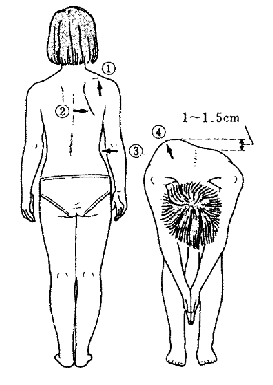
- Uneven Shoulders: One shoulder is noticeably higher than the other.
- Hunched Back (Kyphosis): Slouching or noticeable curvature of the spine.
- Indentation on the Back: A visible dimple or bump on the back when viewed from behind.
- Rapid Progression: If the spine appears to be curving or changing shape quickly.
- Back Discomfort: Any tingling, pain, or discomfort in the back. Although pain is uncommon with scoliosis, its presence may indicate serious causes or accelerated progression of spinal curvature.
In any case where you notice these signs, it’s crucial to seek professional evaluation. Early intervention can prevent the condition from worsening and provide opportunities for corrective measures.
Physical Exercise: A Crucial Element in Preventing Scoliosis
Physical activity is fundamental to strengthening the muscles supporting the spine and promoting healthy posture. Regular exercise, particularly during physical education classes, helps develop muscle strength and flexibility, which are crucial for spinal health.
Some key physical activities to include:
- Morning gymnastics: A great way to start the day by improving flexibility and posture.
- Outdoor walks: Walking in nature promotes overall health and strengthens back muscles.
- Running: Encourages the body to grow and stay strong.
- Swimming: An excellent full-body workout, especially for strengthening the muscles that support the spine.
- Summer activities: Playing in natural water bodies helps develop muscle tone, especially for the back and core.
Daily Movement:
For a child to grow and develop properly, they should aim for at least five hours of movement per day. This can be spread out across various activities and should include both structured and unstructured playtime. The goal is to keep the body active and engaged in different types of movements throughout the day.
Conclusion:
To prevent scoliosis, it’s crucial to adopt an integrated approach that involves not only monitoring posture at home but also promoting physical activity and proper ergonomics at school. Postural correction and strengthening exercises play a pivotal role in ensuring healthy spinal development. Early intervention is key—if you observe any signs of scoliosis, consult a specialist promptly for the best outcomes.

