




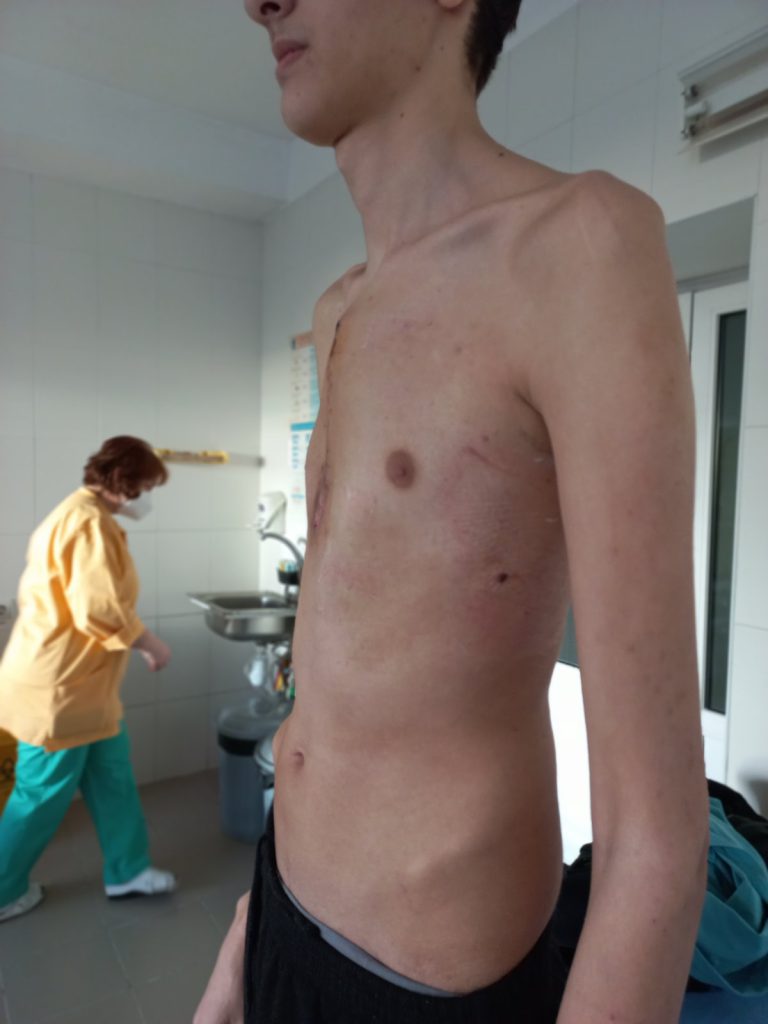
Abramson method surgery (Keel-shaped chest) – video
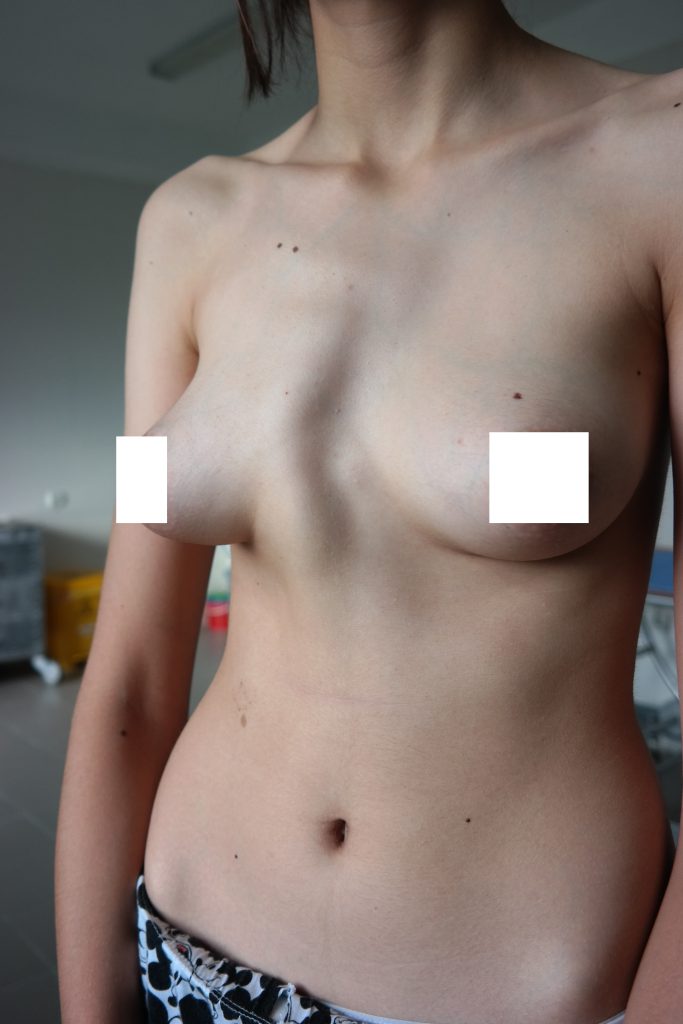
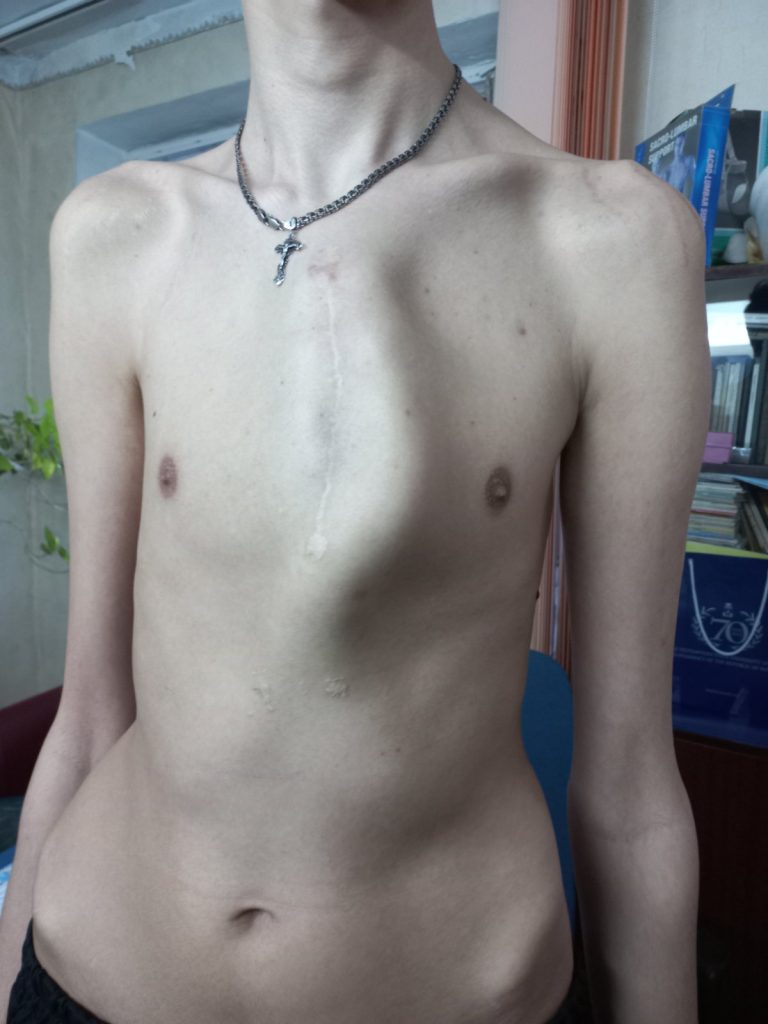
Clinic and diagnosis of keel-shaped deformity (Pectus carinatum).
This deformity occurs, unlike funnel chest (pectus excavatum), at an older age. The protruding sternum forward and the retraction along its edges of the ribs give the chest a characteristic keel-shaped deformity. It increases with growth; the keel-shaped deformity becomes more of a cosmetic defect, but functional impairments are also observed (shortness of breath, chest pain near the heart, and rapid fatigue).
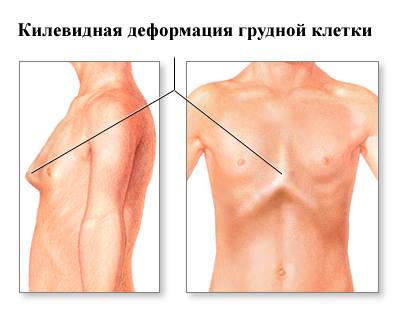
Considering the clinical picture of keel-shaped chest deformities and additional examinations, their diagnosis is straightforward. An important and necessary test is the analysis of pulmonary function indicators in children. Spirometric studies performed showed a decrease in the main volumetric parameters in 95% of the patients operated on in our clinic, especially vital lung capacity, respiratory rate, and tidal volume by 18% or more, sometimes exceeding 30%. Scintigraphy studies revealed significant changes in the microcirculatory blood flow of the lungs. Electrocardiographic studies showed ECG changes, including disturbances of the heart’s electrical axis and sinus arrhythmia in more than half of the cases, particularly in older children.
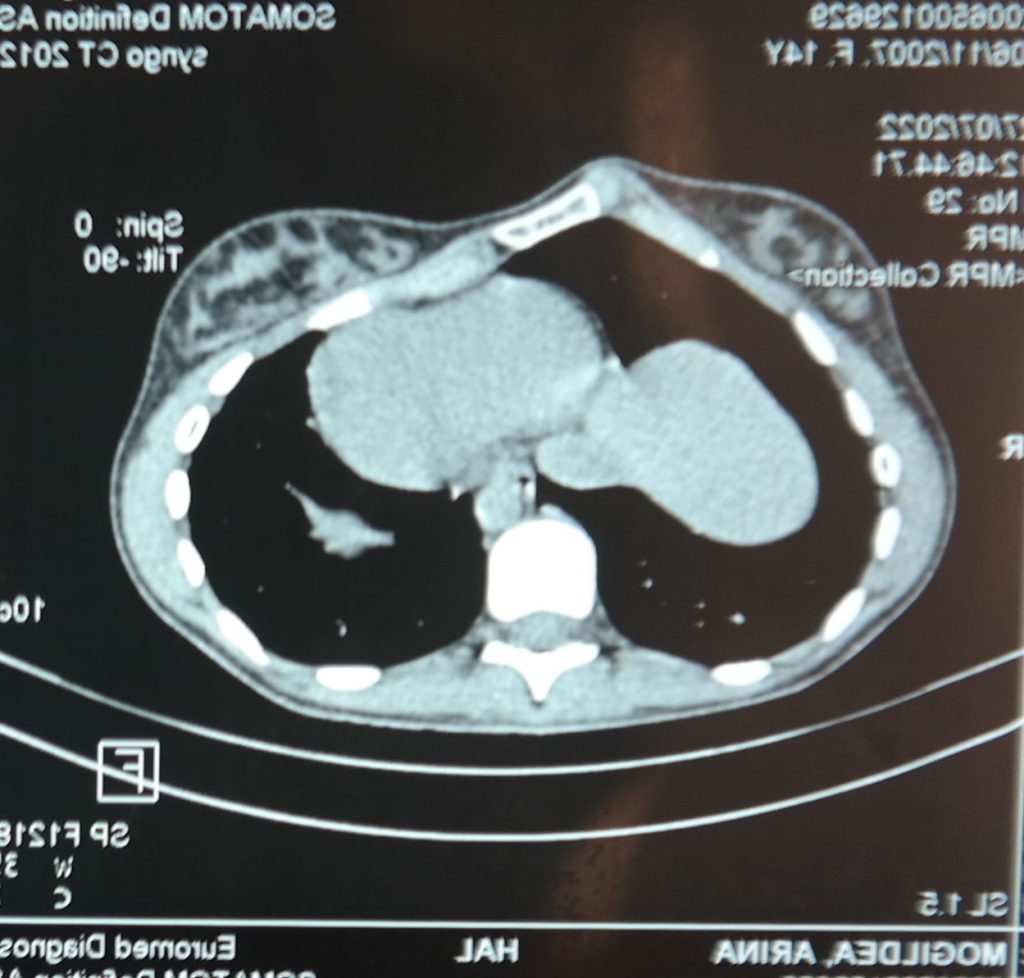
Radiological examination, computed tomography, and, if necessary, magnetic resonance imaging of patients with chest deformities are important and mandatory diagnostic steps. They allow determination of the type and severity of the deformity, the nature of abnormalities of the sternum, ribs, and spine, and the assessment of changes in chest organs — the heart (including displacement), lungs, etc.
At present, conservative treatment methods for keel-shaped deformities are completely rejected by most orthopedists and surgeons. Surgery is considered the only method for complete correction of the chest deformity, prevention, and treatment of secondary pathological changes in the chest organs, primarily the cardio-respiratory system.
Indications for surgery:
- Direct and unconditional indication: surgery for a child with chest deformities at any age is indicated if there are functional impairments of the lungs and heart (subcompensated or decompensated stages). These indications most often arise in children aged 3-5 years with deformity of grade II-III.
- Orthopedic indications: necessitated by the need to correct altered posture and spinal curvature.
- Cosmetic indications: related to the presence of a physical defect; the older the child, the more distress and suffering the deformity causes.
It is advisable to operate on children aged 3 to 10 years, as their chest formation is not yet complete, and secondary spinal deformities are not pronounced. Preoperative preparation is similar to that for any major surgery involving thoracic organs.
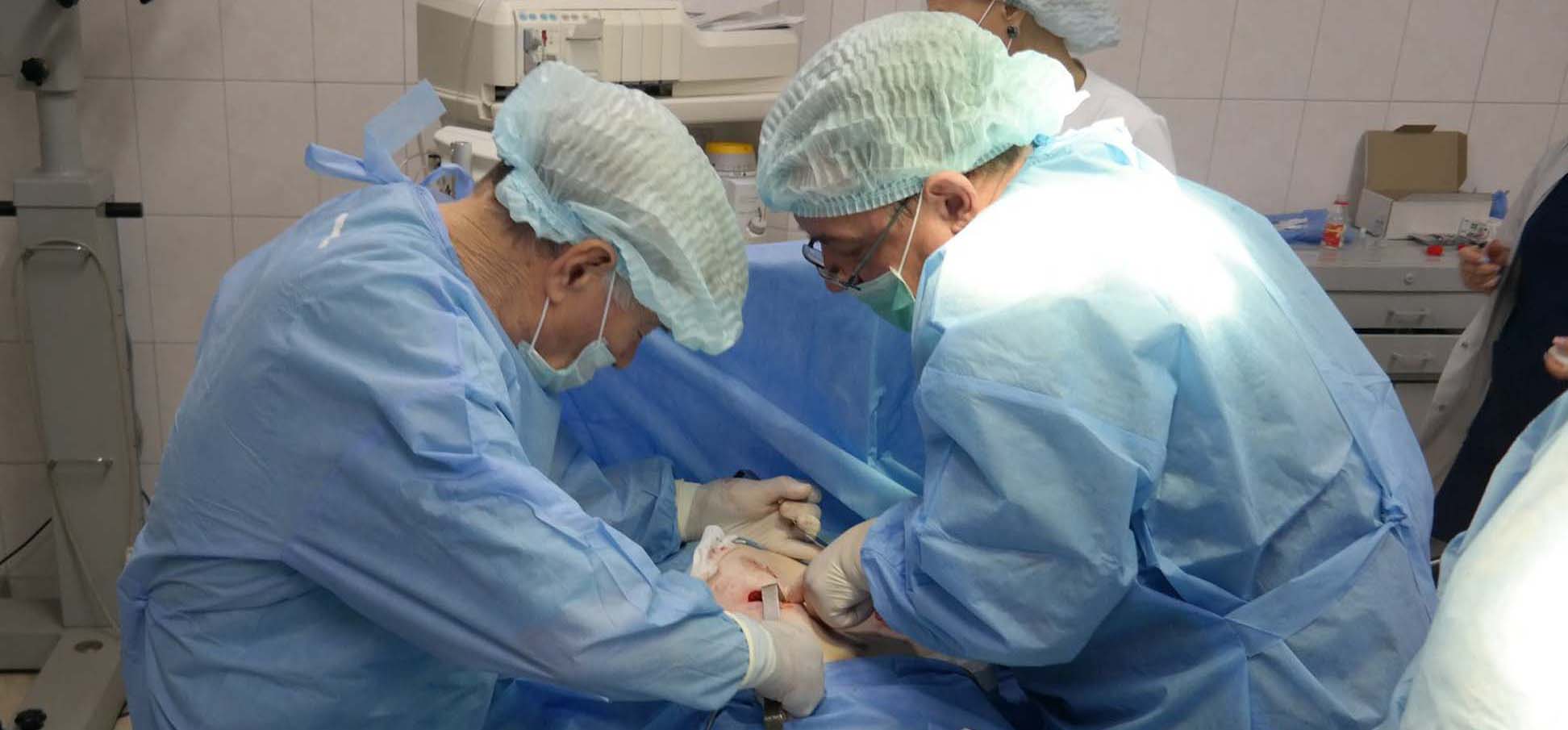
Today, endoscopic thoracic surgery methods are successfully used for the operative correction of keel-shaped chest deformities. One such method is Abramson’s operation (analogous to the Nuss procedure). It is also called minimally invasive correction of pigeon chest. It is called minimally invasive because it is performed through small incisions; however, its potential and trauma should not be underestimated. The surgery is performed under general anesthesia. Through the incisions, a metal plate is inserted into the patient’s chest, which fixes the chest in the desired position. After the chest is fully stabilized (usually within 3-4 years), the plate is removed through the same incisions.iția dorită. După ce cutia toracică este stabilizată definitiv (de obicei după 3-4 ani), placa este îndepărtată prin aceleași incizii.

