


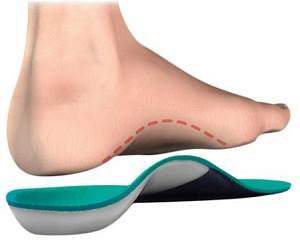
Flat Feet and Scoliosis in Children
Normally, an adult’s foot is not flat because strong ligaments and muscles form three arches: two longitudinal (inner and outer) and one transverse.
This complex structure is needed to reduce the load during walking not only on the foot but also on all supporting joints and the spine by absorbing shocks.
When the foot’s function or structure is impaired, the role of shock absorbers shifts to the ankle, knee, and hip joints, which are not designed for this purpose. This leads to chronic overload, pain, and the development of irreversible degenerative and dystrophic changes and deformities.
At the same time, the load on the spine increases. Clinical experience shows that flat feet in children often coexist with scoliosis. Sometimes this combination occurs from the outset because congenital connective tissue imperfections play a significant role in the development of these musculoskeletal disorders. However, in the majority of cases, one pathology triggers the onset and progressive development of the other.
For example, improper foot structure significantly increases the load on the spine, disrupting its normal growth and causing spinal curvature.
Transverse flat feet are particularly dangerous in this regard, as they always affect a child’s feet asymmetrically. This significantly disrupts the normal position of the spine and causes muscle disharmony in the back. As a result, scoliosis develops and progresses rapidly.
The reverse is also true: scoliosis contributes to the development and quick progression of foot pathology. Spinal curvature disrupts the balance of weight and causes disharmony in the load distribution on the feet, leading to transverse flat feet in children and rapid progression of valgus foot deformity in adults.
👉 Thus, even in cases where spinal curvature occurs in a patient whose feet are still developing normally, preventive use of children’s orthopedic insoles is necessary.
When Is It Necessary to Order Orthopedic Insoles?
Unfortunately, scoliosis and flat feet are often diagnosed by chance during preventive check-ups.
The chances for quick and full recovery depend on timely and adequate medical care, so you should see an orthopedic doctor if you notice the following symptoms:
- Back and foot pain that worsens by the evening
- Difficulty choosing shoes
- Poor posture and a “heavy” gait
- Shoulder pain with minor exertion (carrying heavy winter clothes, briefly wearing a semi-empty backpack, etc.)
- Increased physical and mental fatigue, as well as other signs of asthenia (irritability, moodiness, decreased academic performance, etc.)
Main Indications for Wearing Orthopedic Insoles
- Prevention and treatment of longitudinal and transverse flat feet
- Valgus foot deformity
- High-arched foot
- Rapid foot fatigue
- Metatarsalgia (pain in the front part of the foot)
- Diabetic foot syndrome
- Osteoarthritis of the ankle, knee, hip, and foot joints
- Heel spur
- Gout
- Pregnancy
- Consequences of lower limb, pelvis, or spine injuries
- Rehabilitation after injuries
- Acquired or congenital leg length discrepancy
- Calluses
Who Needs Orthopedic Insoles?
- People with any degree of flat feet.
- People with complex foot deformities – partial amputations, equinus deformities, cerebral palsy, and insoles for leg length discrepancies.
- Diabetics. These insoles are an effective means of preventing “diabetic foot.”
- Diabetics often have impaired nerve pathways responsible for automatically transferring weight from one foot to the other during prolonged standing.
- They don’t notice when toes, heels, or the ball of the foot are overloaded.
- Pressure sores, ulcers, or infections may go unnoticed, leading in severe cases to amputation.
- Custom orthopedic insoles help address this problem.
- Healthy people who spend a lot of time on their feet (teachers, salespeople, hairdressers, builders, athletes, etc.).
- Insoles reduce foot load,
- Redistribute force vectors that deform joint tissues, ligaments, periosteum, and bone structures,
- Form correct arches and maintain proper anatomical position.
- Thanks to the special Filaflex material and porous structure, the foot can “breathe,” reducing sweating, irritation, calluses, and chafing.
Effects of Custom Orthopedic Insoles
- Provide support to the longitudinal and transverse arches of the foot in an anatomically correct position and ensure proper static placement
- Compensate for plantar surface defects
- Optimize load distribution on soft tissues and bones of the foot
- Reduce skeletal impact when walking
- Prevent muscle hypotrophy that supports the foot arches
- Maintain proper foot rollover
- Reduce load on the ankle, knee, and hip joints
- Relieve pain
- Restore the foot’s main functions: balancing, supporting, pushing off, and shock absorption
Important to Know
Orthopedic insoles must be made with the involvement and supervision of an orthopedic doctor who, after examination and diagnosis, will prescribe the truly necessary product that corrects existing foot deformities and prevents their progression.
❗ Insoles prescribed and made by persons without medical education and orthopedic experience may harm your health.

