



Modern Perspective on Degenerative-Dystrophic Changes in the Spine
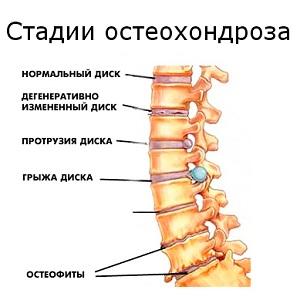
Degenerative-dystrophic changes in the spine are now considered not just localized spinal disorders but as systemic diseases affecting the entire body. Therefore, the treatment and prevention of recurrences of clinical manifestations of pathological processes in the spine require a comprehensive approach that considers the mechanisms of vertebrogenic and neuroreflex disturbances, as well as the general condition of the body.
Comprehensive conservative treatment, which considers the pathogenesis, disease stage, individual characteristics of the disease progression, and the patient’s condition, aims to eliminate the main factors contributing to clinical symptoms. These include reducing or eliminating instability, compression, preventing the progression of neurological disturbances, and generally consists of the following components:
1. Rest and Spinal Unloading:
- Bed Rest: For acute phases, this helps reduce load on the spine.
- Plaster Corset or Orthosis: Provides stabilization of the lumbar-sacral region and reduces movement that could exacerbate the condition.
2. Orthopedic Measures:
- Traction Therapy (Spinal Decompression): This involves gently stretching the spine to reduce pressure on intervertebral discs and nerves.
- Manual Therapy (MT): Includes techniques to restore spinal mobility, reduce muscle spasm, and improve joint function.
3. Physiotherapy:
- Massage: Helps relieve muscle tension, improve circulation, and promote relaxation.
- Therapeutic Physical Exercises: This may include soft MT techniques, proprioceptive neuromuscular facilitation (PNF), or traditional exercise methods. Regular physical exercise helps strengthen the spinal muscles and supports better function of the vertebrae and discs.
4. Medications:
- Traditional Schemes: Nonsteroidal anti-inflammatory drugs (NSAIDs), analgesics, and muscle relaxants are commonly used to manage pain and inflammation.
- AGP (Analgesic-Glycosaminoglycan Protocols): This method includes the use of glucosamine and chondroitin-based medications, which help promote cartilage regeneration and provide long-term pain relief.
5. Stages of Disease Progression:
Given that the methods of treatment differ depending on the disease phase, it is crucial to classify them into two main stages:
- Exacerbation Stage: During this phase, the focus is on pain relief, reducing inflammation, and stabilizing the spine.
- Regressing Stage: In this stage, the focus shifts to rehabilitation, strengthening the muscles, improving spinal mobility, and preventing recurrence.
By addressing these factors through a tailored and individualized approach, a patient can achieve not only short-term relief but also long-term prevention of further degeneration and complications. Regular follow-up and reassessment are necessary to adapt treatment plans according to the patient’s progress and needs.
Treatment Programs for Osteochondrosis
Treatment programs for osteochondrosis are individualized for each patient. However, the foundation of the program typically consists of two main stages:
- Pain Syndrome Relief
- Restoration of Spinal Support and Stability, and Endurance to Static and Dynamic Loads
1. Anti-inflammatory Medications
In the acute period, non-steroidal anti-inflammatory drugs (NSAIDs) such as diclofenac, paracetamol, meloxicam, and analgin can be recommended to significantly reduce pain intensity. However, the impact of these medications on the stomach and intestines can limit their use. To reduce reflex-tonic reactions, central muscle relaxants or similar medications (such as Baralgin, No-Spa, Nicospan, and nicotinic acid) are prescribed.
Anti-edema medications: Diacarb, Lasix, Furosemide, Veroshpiron (for 5-7 days). If there is no clinical effect within 3 days, further use of dehydratation drugs is not advisable.
2. Chondroprotectors
Chondroprotectors, which are typically derived from cartilage tissues and bone marrow of domestic animals, are used for cartilage nourishment. These do not provide immediate effects but, with regular use, significantly improve the condition of the spine. Injectable forms of vitamins may also be used, though the effect of their use is still debated.
3. Anti-homotoxic Therapy (AHT)
AHT drugs are chosen for osteochondrosis due to their therapeutic effects on the full spectrum of degenerative and trophic disorders characteristic of osteochondrosis. They are non-allergenic, free of side effects, and age restrictions, providing a rapid clinical effect. These treatments can be combined with traditional medications.
The use of complex anti-homotoxic drugs as part of medical correction offers a unique organ-tissue treatment component, working at the level of bone-muscle and cartilage structures of the spine.
4. Novocaine Blockades
In the acute period, novocaine blockades provide good relief, especially when combined with competent manual therapy. Paravertebral novocaine blockades (according to Shaak or Rachkov-Kustov methods) are performed in the zone of the affected nerve root.
A 0.5% novocaine solution is combined with vitamin B12 and, if needed, dexamethasone. The cumulative effect of the components allows reducing the hormone dose, which is essential for preventing possible homeostasis disturbances. These blockades reduce pain, swelling, muscle and vascular spasms, and improve tissue nutrition. Typically, 3-5 blockades are performed with a 2-3 day interval.
5. Decompression Treatment (Traction Therapy)
In the presence of a compression factor (e.g., disc hernia, disc protrusion, pinched joint capsule), measures are taken to reduce pathological formations that irritate the pain receptors. Decompression methods, such as traction therapy, help reduce pressure on the affected disc and surrounding structures.
Detenzor therapy mats have been proven effective for soft physiological traction on the spine, unloading its kinetic system, and restoring its optimal functional position.
6. Manual Therapy
Manual therapy is still not widely accepted by official medicine, but it can provide excellent results when performed correctly. The use of post-isometric relaxation (PIR) in manual therapy allows for significant positive results, even in the acute stage of osteochondrosis. Contrary to popular belief, the presence of various dysplasias (anomalies) is not a contraindication for manual therapy.
Mierau D. et al. (2001) found no significant differences in the effectiveness of manual therapy in patients with dysplasias and those without, nor did they identify specific complications.
Indications for Manual Therapy:
- For fixation complications of movement patterns, as well as muscular-tonic and neurodystrophic extra-vertebral syndromes.
- In disfixation processes, only joint blocks are treated.
- In the case of a compression factor, decompression methods are applied.
The manual therapy technique on the spine consists of three main groups of actions aimed at relaxing muscles (relaxation phase) using soft tissue techniques (soft MMT). These techniques differ from classical manual therapy in several ways:
- Minimal force and duration of indirect techniques, focusing on muscle-ligamentous structures.
- Integration with the respiratory cycle to promote relaxation.
- No direct impact on pathological structures—only focusing on alleviating tension, hypertonia, and pain. Techniques should not cause discomfort or pain and should not be forced.
Manual Therapy Effectiveness
The effectiveness of soft tissue manual therapy is evaluated based on the relaxation of segmental tissue structures and the increase in both general and local motor reserves. Unlike traditional manual therapy, soft tissue techniques do not stretch muscles or ligaments but bring them together, resulting in reduced pathological afferentation from muscle spindles and Golgi tendon organs, thereby normalizing afferent nerve flow and reducing muscle tone.
Specific Techniques for Lumbar Segment:
- Mobilization in a neutral position while lying on the side (following Yu.V. Chikurov’s method).
- Dorsal mobilization of S1, L5, L4 in the side-lying position.
Other techniques include:
- Ischemic Compression: Applying pressure with the fingertips to trigger points for 40-60 seconds while engaging the patient’s muscle in isometric contraction, followed by post-isometric relaxation.
- Release Effect: Stretching the skin and subcutaneous tissues over the trigger point to achieve a “barrier” within 1-2 minutes.
- Post-Isometric Relaxation: This technique involves stretching the muscle after an isometric contraction, performed 3-5 times until the analgesic effect is achieved.
Creating Passive Stabilization
Outdated recommendations that advised resting and avoiding treatment during acute pain episodes (e.g., sciatica) are now recognized as insufficient. Strict adherence to bed rest can be successfully complemented by the above treatments.
- Strict Bed Rest: 2-3 days of rest on a hard, flat mattress with a shield placed beneath the mattress to support the spine.
- Orthopedic Devices: Use of plaster corsets and orthoses to stabilize the spine.
Post-Acute Care
After relieving the acute pain, it is necessary to continue treatment, including physiotherapy, massage, laser therapy, and therapeutic exercises. In some cases, patients are advised to wear special lumbar belts to reduce spinal load. However, prolonged use of such belts can weaken the back muscles and cause atrophy, so regular exercise is essential.
Despite proper therapy, 10% of disc hernias may not respond to conservative treatment. If a patient’s condition worsens or if urinary and defecation problems arise after 6 months, surgical intervention may be necessary. However, surgery should only be considered if all conservative treatment options have been exhausted, as recovery can take up to 6 months and there is no guaranteed success. A combination of traditional medicine and newly discovered methods, such as manual therapy, often yields the best results.

