


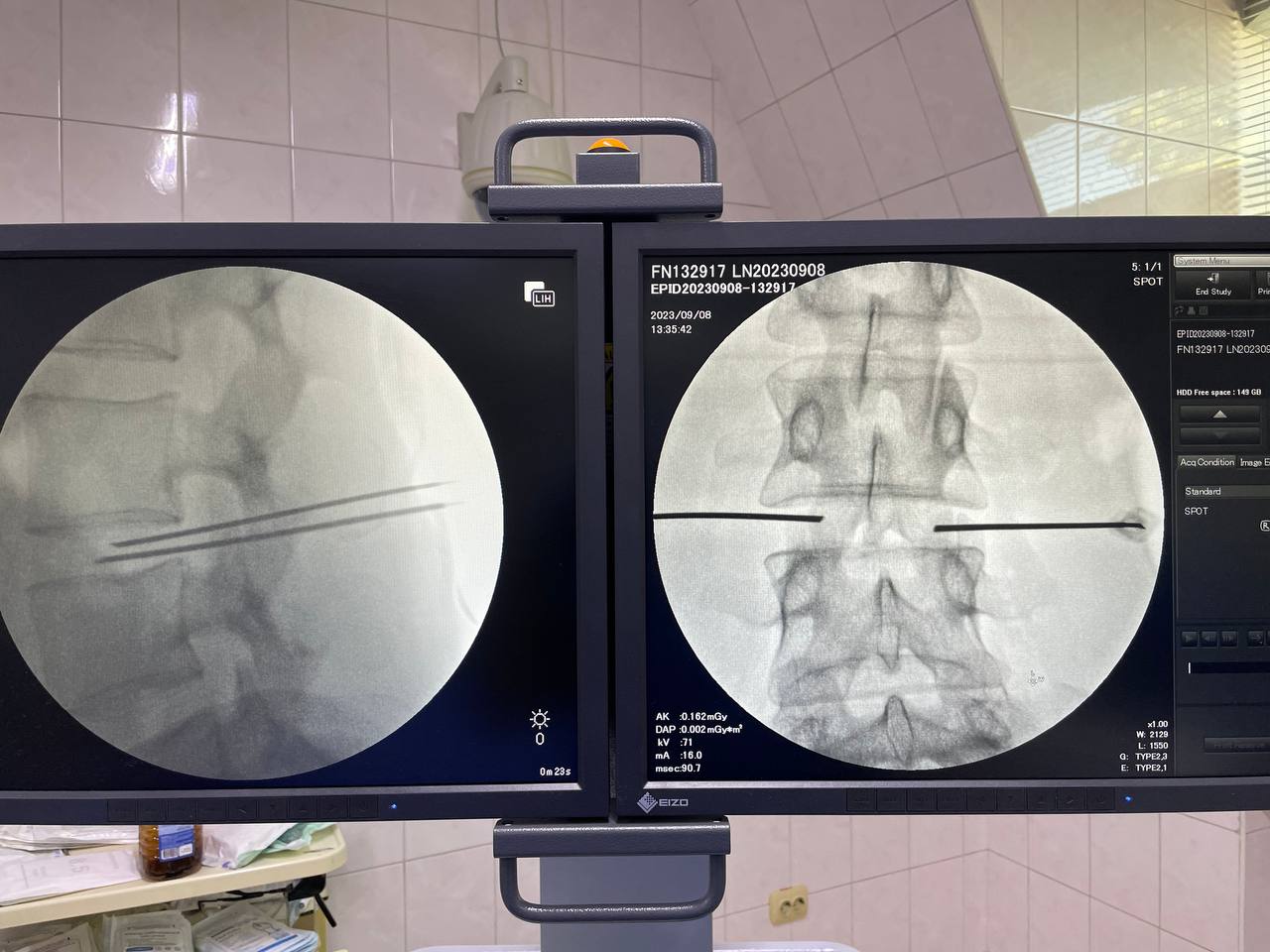
… is a bridge between conservative therapy, which at a certain stage of the disease ceases to be effective, and surgical treatment (discectomy), which in most cases is the final treatment option.
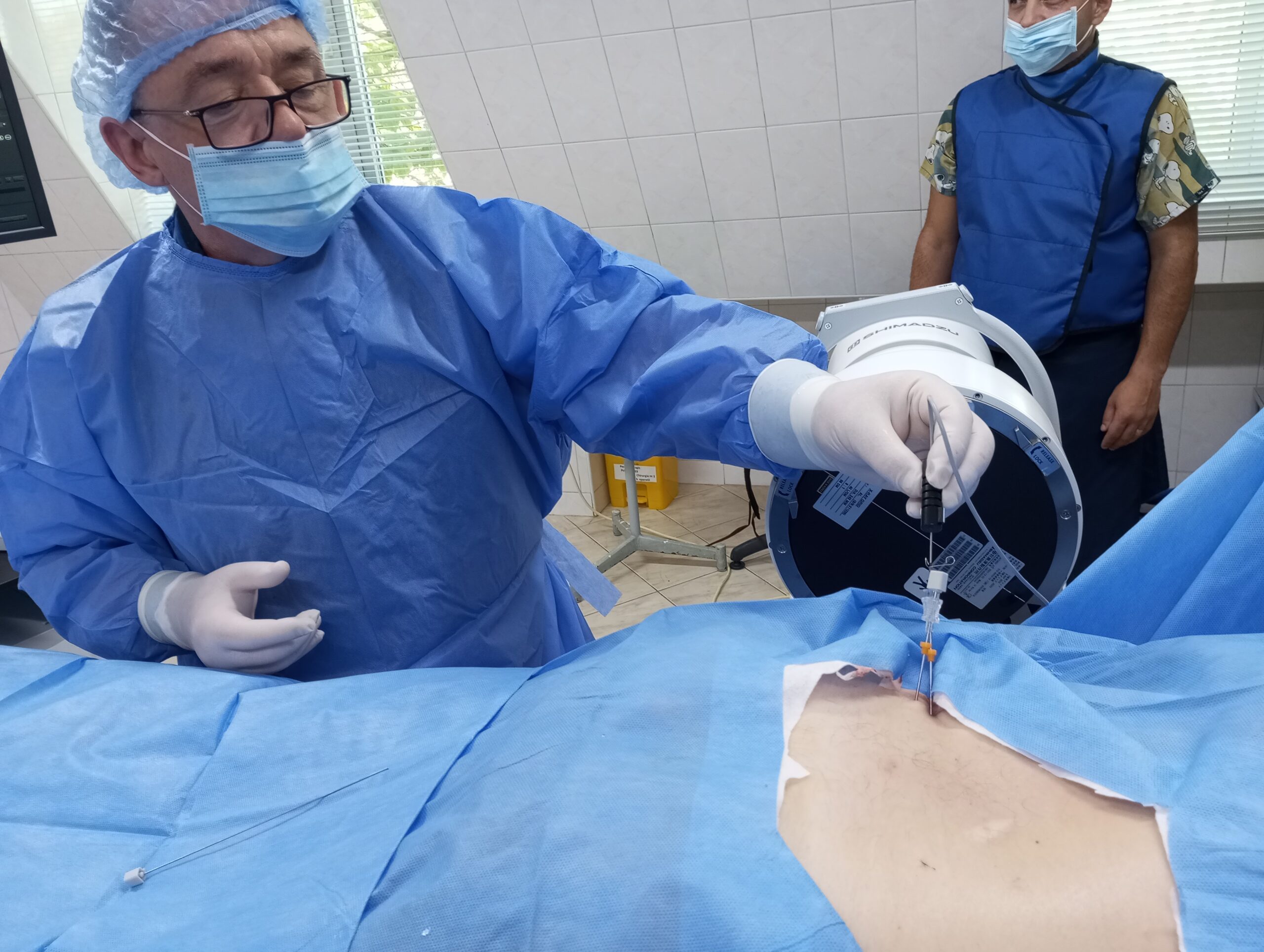
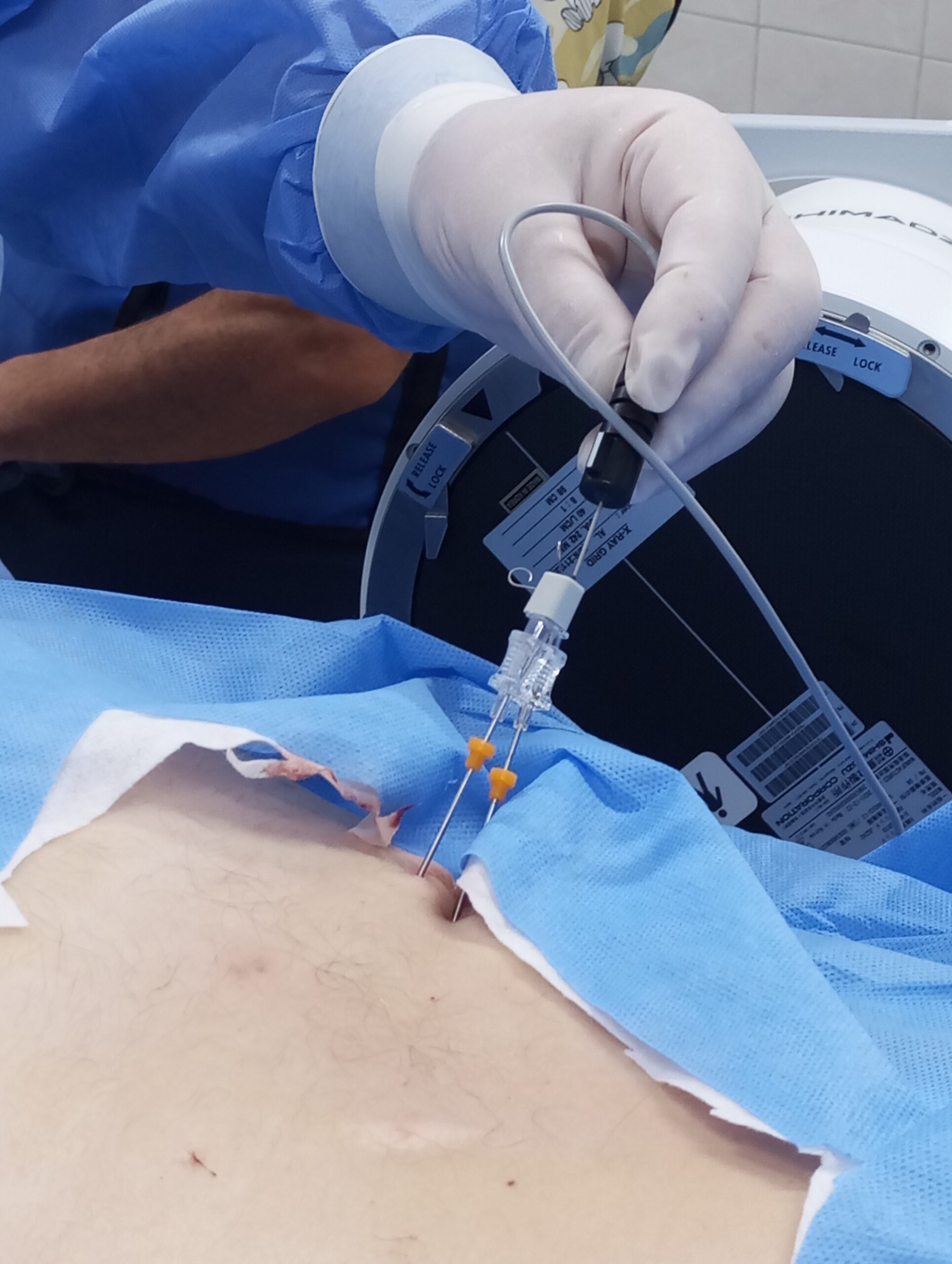
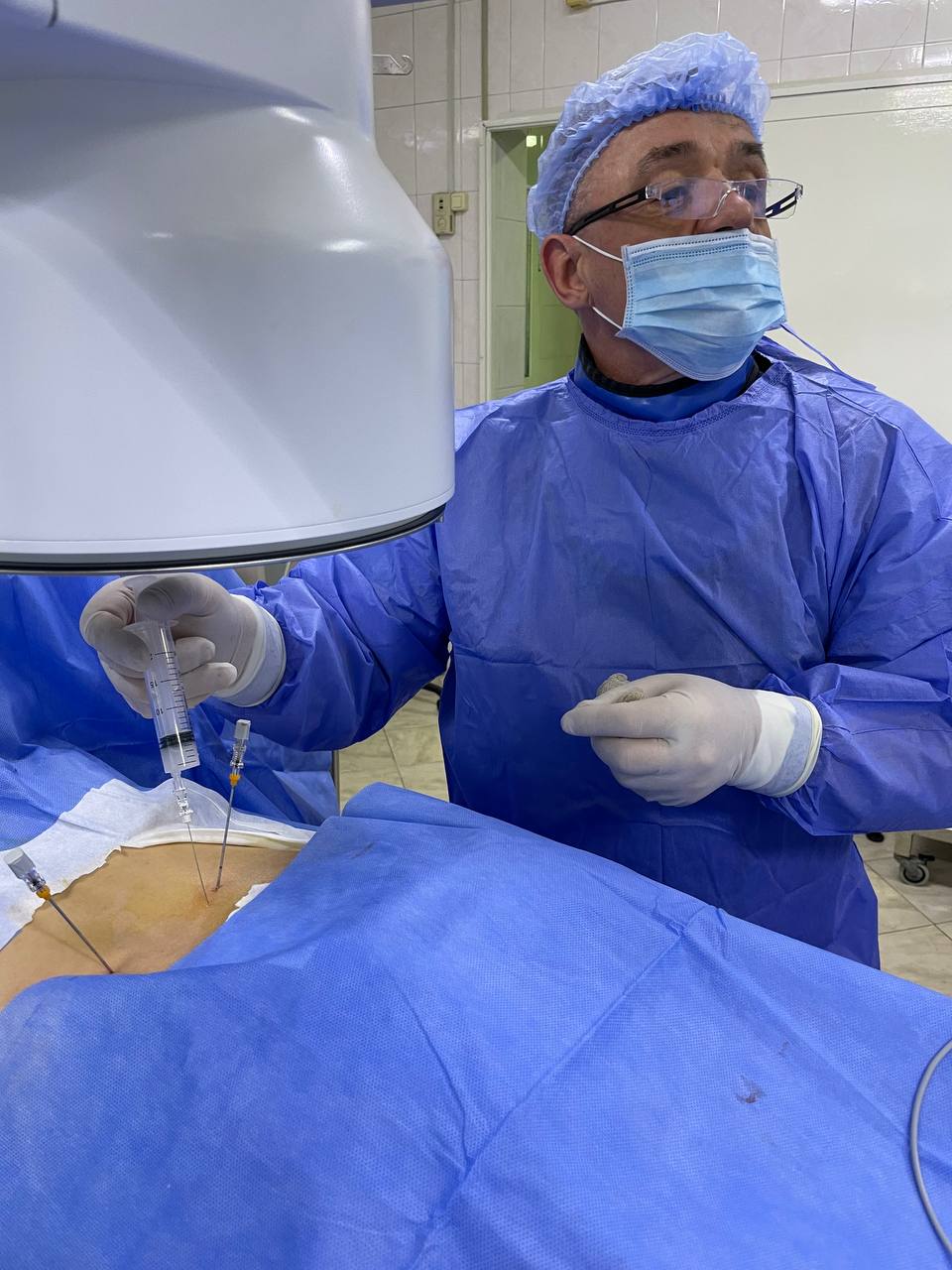
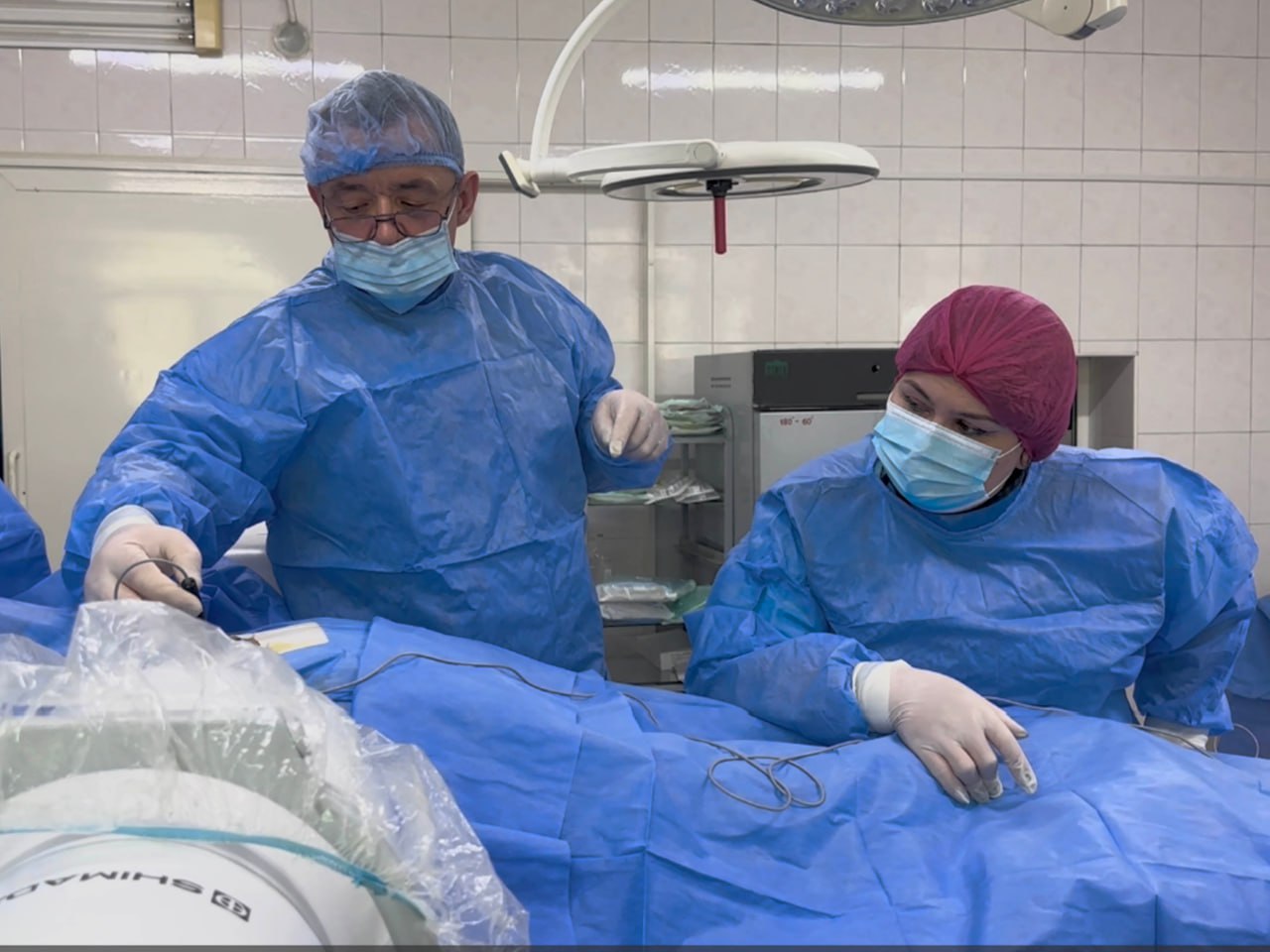
Nucleoplasty is a procedure in which a bipolar electrode generating cold plasma energy is used to decompress the disc through a process called coblation (the term “coblation” comes from the English words cold ablation — cold destruction). The method involves using a special electrode, the difference in electrical potential between its contacts causes ionization of the electrically conductive fluid (0.9% NaCl solution), forming a layer of ionized substance — low-temperature plasma. The energy of sodium ions in the plasma is sufficient to break down organic macromolecules into low-molecular components within a single tissue, thereby volumetrically removing tissue and creating a cavity with negative pressure. This, in turn, gradually draws back the elastic substrate of the protrusion or herniated bulge and fills the existing voids.
The main advantages of this technology are the absence of thermal damage to the treated surface (the temperature in the treatment zone is about 45–55°C) and reduced pain. Additionally, the procedure provides controlled and highly localized coblation with minimal damage to surrounding tissues.
Indications for nucleoplasty include back pain radiating to the lower limbs caused by a protrusion (or hernia) of the intervertebral disc up to 8–9 mm (confirmed by MRI) that does not respond to conservative therapy (for at least three weeks). Patients should not have severe neurological symptoms such as paresis or paralysis with impaired pelvic organ function. When indications for cold plasma use in spinal hernia treatment are correctly determined, a positive effect is achieved in approximately 80% of patients.t stabilite corect, eficiența tratamentului ajunge la aproximativ 80% dintre pacienți.
Advantages of cold plasma nucleoplasty include:
- Minimal surgical trauma (no hospitalization required — the procedure is short, lasting 15-20 minutes, and the patient can be discharged from the hospital 1.5 hours after the operation);
- Low-temperature impact on tissues — no burning effect typical of radiofrequency or laser treatments (which makes nucleoplasty virtually painless — patient reviews confirm that the procedure is absolutely pain-free);
- Use of local anesthesia and continuous contact with the patient during the entire procedure (which almost eliminates the risk of nerve damage);
- Development of instability in the spinal motion segment is minimized;
- No skin scars (since no incision is needed, only a percutaneous puncture) and no scar-adhesive process in the spinal canal;
- Possibility to apply nucleoplasty to multiple segments (discs);
- Option to perform open surgical intervention if nucleoplasty is ineffective.
All patients undergo radiological and MRI examinations in the preoperative period. X-rays are used to study the relationship between vertebrae, identifying possible dysplasia or developmental anomalies. X-ray examination is especially important when the spinal motion segment (SMS) L5–S1 is affected, as sometimes an enlarged transverse process of the L5 vertebra can impede puncture of this disc. MRI is performed on devices with a magnetic field strength of at least 0.75 Tesla. MRI data are used to assess the size and location of the herniated protrusion.
Contraindications that must be considered for successful nucleoplasty:
Nucleoplasty is recommended to be avoided during general deterioration of the patient’s condition.
Disc sequestration (sequestered disc hernia);
Sclerotic (chronic, older than 7 years) disc hernia;
Hernia size exceeding 1/3 of the sagittal diameter of the spinal canal;
Presence of progressive neurological symptoms;
Spondylosis;
Disc height reduction of more than 50%;
Spondylolisthesis, instability of the spinal motion segment;
Spinal canal stenosis (narrow spinal canal);
Inflammation (presence of local or generalized infection);
General somatic contraindications, including presence of tumors;

