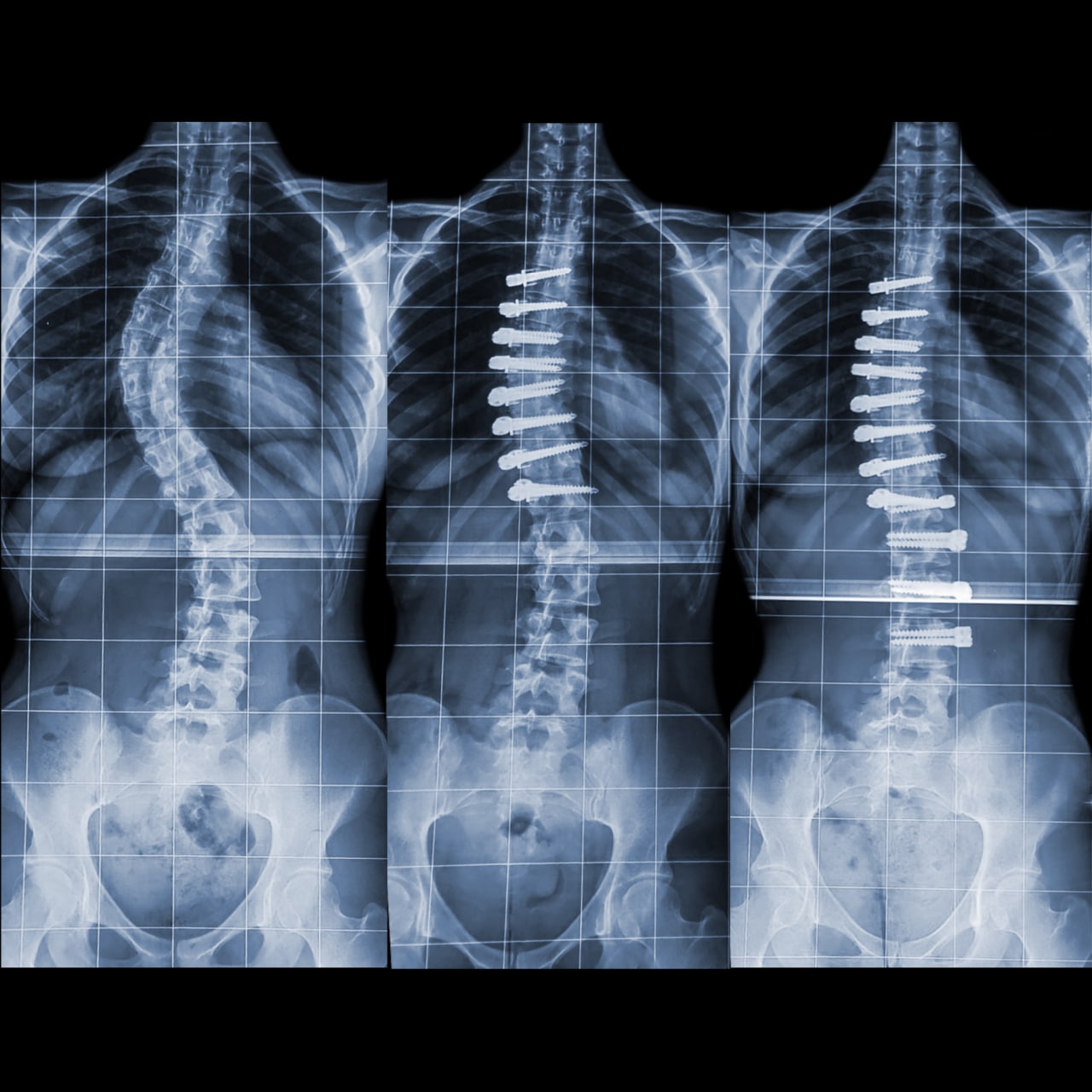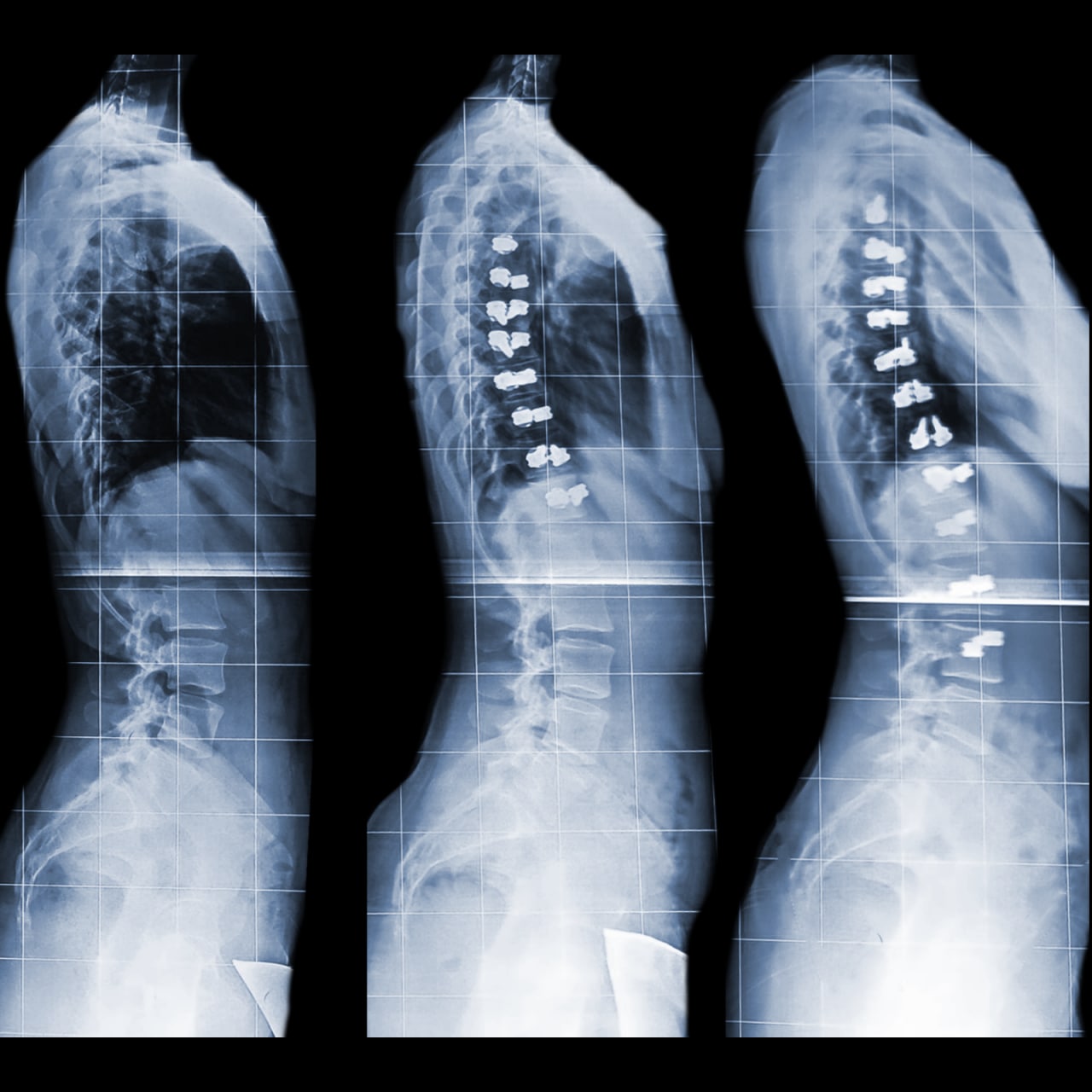


Progressive Spinal Deformity (Scoliosis)
Scoliosis is a progressive curvature of the spine in three planes:
- Frontal plane,
- Sagittal plane,
- Horizontal plane.
As a result of this deformity, the normal alignment of the internal organs within the chest is disturbed.
Several body systems are affected by scoliosis:
- Musculoskeletal system
- Cardiovascular system
- Reproductive system
- Respiratory system
- Gastrointestinal system
- Nervous system
Thus, scoliosis is not just a deformation of one segment of the spine, but a systemic disease.
Scoliosis in Adults
In adults, scoliosis typically manifests after the completion of spinal growth and is often accompanied by early degenerative changes. Especially lumbar scoliosis can continue to progress throughout life, leading to ongoing pain and dysfunction.
New Approach for Treating Scoliosis
Dynamic Correction of the Growing Spine (Vertebral Body Tethering, VBT) for patients with remaining growth potential.
This technique involves self-correction of the deformity as the child grows, also known as “remodeling.”
What is Dynamic Correction of the Spine?
Dynamic correction is a modern treatment method for scoliosis and other spinal deformities. It allows for the correction of the curvature while preserving the spine’s natural flexibility.
How Does It Work?
Unlike traditional methods where the vertebrae are rigidly fixed, dynamic correction uses special implants that allow the vertebrae to move within a physiological range. This is particularly important for growing children, as it allows the spine to continue growing and developing.
Benefits of Dynamic Correction:
- Preservation of mobility: The spine remains flexible, improving the patient’s quality of life.
- Lower risk of complications: The method is less invasive and has fewer side effects compared to traditional treatments.
- Potential for further growth: Particularly crucial for children and adolescents — the spine continues to grow.
- Aesthetic results: This approach offers excellent cosmetic outcomes.
Manufacturer
Currently, there is only one manufacturer of the dynamic spine correction system on the global market that holds the CE certification and collaborates with us.
Case Study
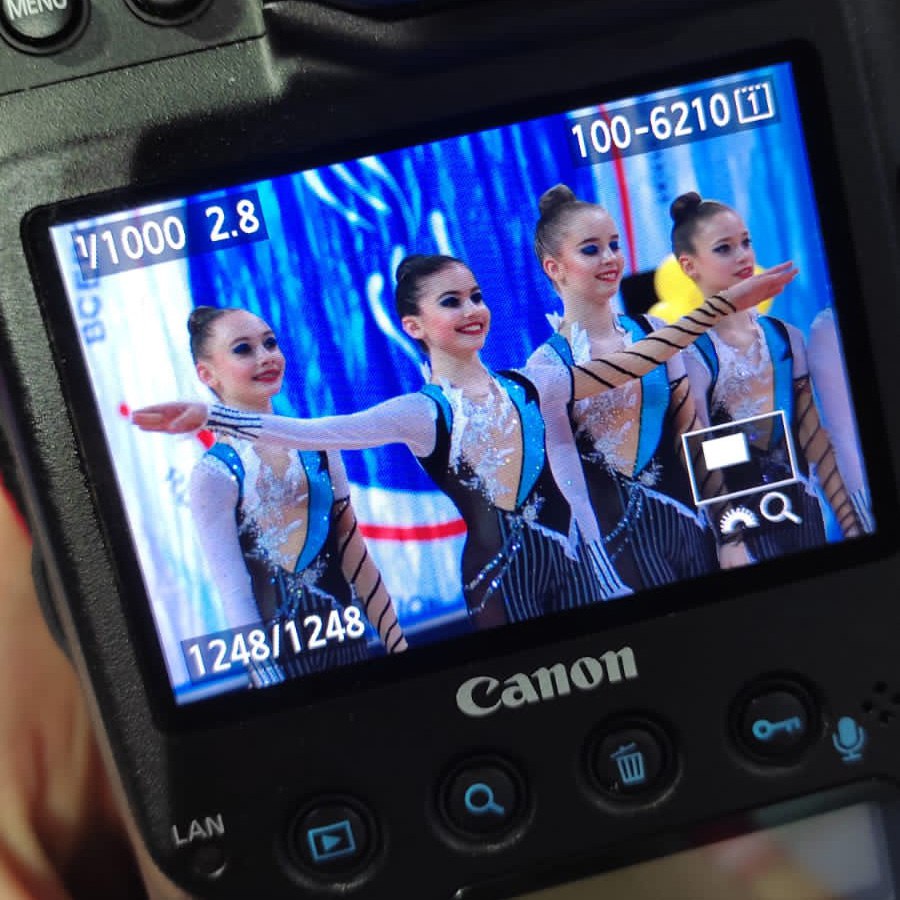
Our patient is 13 years old, a professional gymnast.
1.5 years ago, dynamic correction of scoliosis was performed using the VBT method.
The results are not final, as the patient is still growing, meaning the outcome will continue to improve over time.
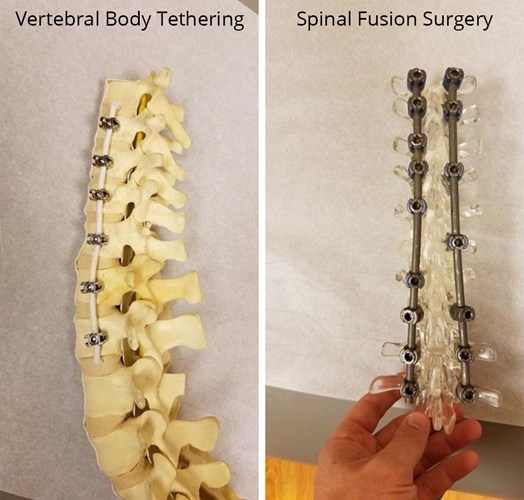
Differences Between Rigid (Classic Transpedicular) and Dynamic Scoliosis Correction Systems
Rigid System (Classic Transpedicular System)
- Surgical Approach:Anterior or Posterior access.
- Goal:Correction of the deformity and formation of a spinal fusion (fusion of vertebrae together).
- Correction Mechanism:The spine is fixed with rigid screws and rods and is maintained in the corrected position.
Pros:
- Reliability: Established method with long-term results.
- Proven Outcomes: Numerous long-term studies and success stories.
- Improved Quality of Life: Significant improvement in posture and pain reduction.
- Covered by Insurance: Free of charge with insurance (in many countries).
Cons:
- Muscle Damage: Significant damage to back muscles, which may not fully recover.
- High Blood Loss: Potential for significant blood loss during surgery.
- Long Surgery Time: The procedure is lengthy and more invasive.
- Frequent Postoperative Complications: Higher chance of complications, such as infections or hardware issues.
- Overloading Adjacent Segments: Additional stress on adjacent spinal segments after fusion.
- Loss of Mobility: Loss of spinal flexibility and motion due to fusion.
- Long Recovery: Recovery time is prolonged, often requiring around 1 year for full rehabilitation.
Dynamic System
- Surgical Approach:Lateral or Endoscopic access.
- Goal:Correction of the deformity while preserving spinal mobility.
- Correction Mechanism:The spine is fixed using screws and flexible cords with specific tension, allowing for movement while correcting the curvature.
Pros:
- No Muscle Damage: The back muscles are preserved, ensuring faster recovery.
- Minimal Blood Loss: Much less blood loss compared to rigid correction systems.
- Fast Recovery: Patients typically recover in about 6 weeks.
- Preservation of Range of Motion: The spine retains its flexibility and natural movement.
- Significant Quality of Life Improvement: Enhanced mobility, reduced pain, and better long-term outcomes.
- No Overloading of Adjacent Segments: The dynamic system does not cause additional stress to neighboring vertebrae.
Cons:
- Not Covered by Insurance: This method may not be covered by public health insurance.
Newer Technique: As it’s a more recent advancement, there are fewer long-term studies compared to traditional methods.
Comparative Visualization 3 Months Post-Operation
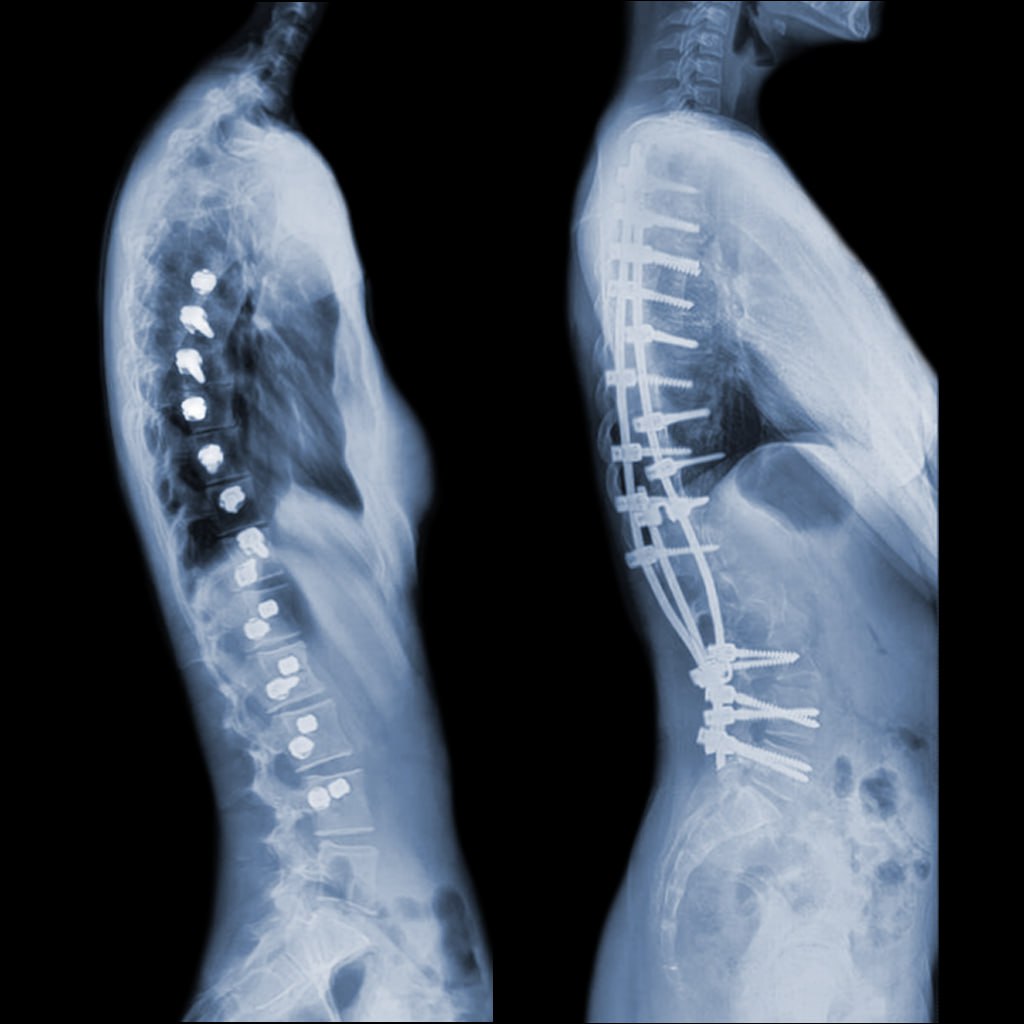
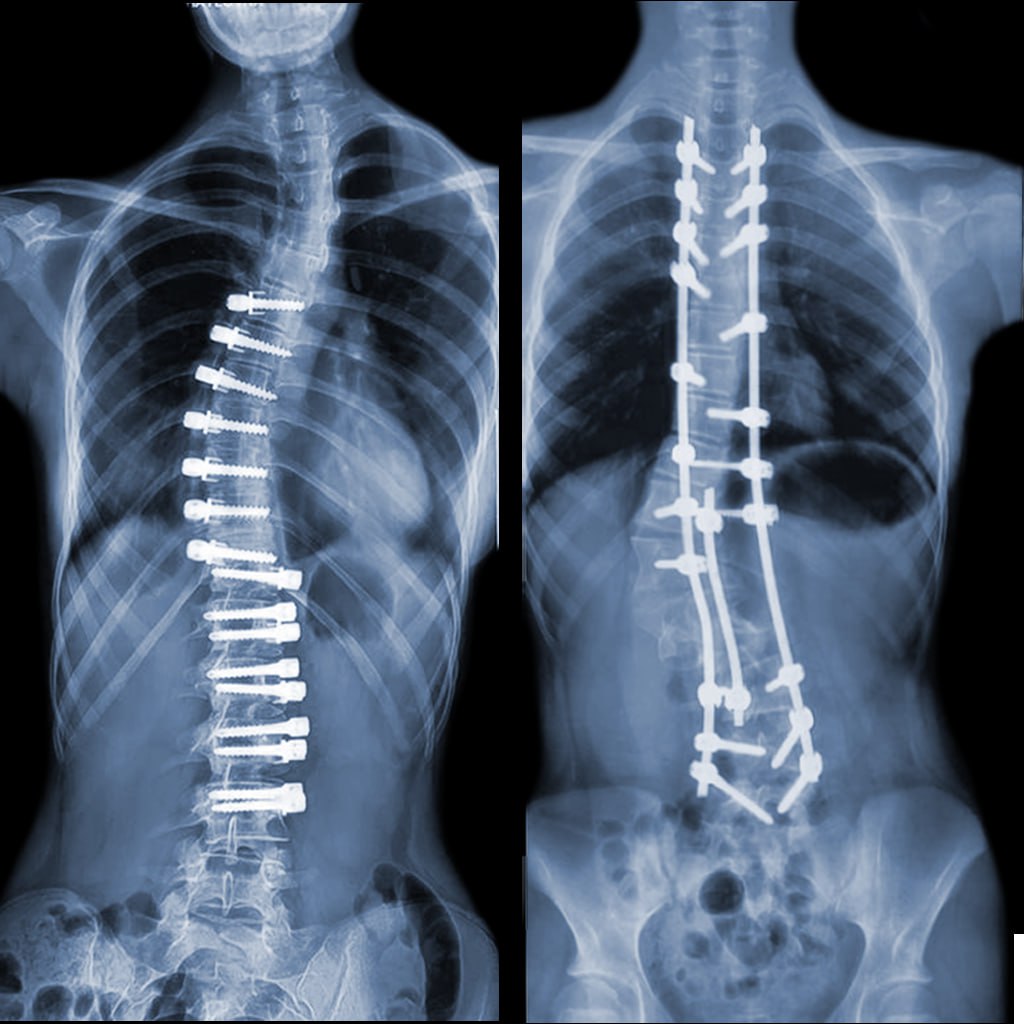
After 3 months post-operation, the dynamic system typically shows quicker recovery and better functional outcomes compared to the rigid system.
Application in Adults
Dynamic correction and stabilization of the spine, or ASC (Anterior Scoliosis Correction), is successfully applied not only to patients with incomplete skeletal growth but also to adults (up to 60 years of age).
In adults, the term ventral dynamic scoliosis correction (ASC) is used, as the principle of “remodeling” is not applicable in this case.
Case Example:
Patient: 30 years old.
Treatment: Bilateral scoliosis correction using a dynamic system based on the ASC method.
Results: The video shows the outcome 1 year after surgery.
The correction is practically ideal, with significant improvement in spinal alignment, and no loss of mobility in the corrected area, thanks to the dynamic system.
This case highlights the effectiveness of the dynamic correction method even in adult patients, providing a substantial aesthetic and functional improvement without the limitations of traditional rigid correction methods.